In this article
- Your first class
- Origins and community
- Movement to notice
- Listen to the music
- Choosing a class
- Approaches and next steps
Discover your style
Waacking grew in 1970s Los Angeles club scenes shaped by Black and LGBTQ+ dancers. Fast arm lines, poses and facial expression answer disco music.
01
Learn arm paths, rolls, lines, and poses slowly first. Repeat one move through a whole song, then add short bursts of speed. Coordination must come before haste.
Shoulders need a warm-up. A good teacher breaks down combinations, leaves time for freestyle, and teaches the history and names Waacking’s creators and music.
Choose one arm path and one clear pose. Try them with a slower part of the song, then quicken just one transition. Face and gaze can complete the phrase; the teacher should leave room for your own character choice.
02
The form grew in 1970s Los Angeles gay clubs, when living openly could be dangerous. Music and character made room for individuality that public life often denied.
The earlier name punking and histories lost during the AIDS crisis are part of the dance’s memory. They explain why oral accounts such as Billy Goodson's testimony matter so much.
The New York Public Library oral history of Billy Goodson records memories from an early Los Angeles dancer. Such accounts preserve names and club settings that a movement clip alone cannot show.
Soul Train, stage work, and travelling teachers carried Waacking beyond Los Angeles. Learn the names of the dance’s creators and its community history.
Hear Donna Summer, Sylvester, Chic, Diana Ross, and Grace Jones as different energies. One track invites flow; another asks you to cut the beat or build a character.
In a disco recording, hear where the voice rises over the beat. The arms can follow that phrase and a pose can mark its end. In another song, the same arm path can tell a new story through timing, gaze and distance from other dancers.
03
Arm circles need a safe shoulder; expression grows from the music and a chosen character.
Waackxxxy shows fast arm paths and a clear pose in this Red Bull Dance clip.
Red Bull Dance · WaackxxxyOpen the original source ↗04
Disco music drives arm circles and character. Accents matter more than constant speed.
05
06
Waacking grew in Los Angeles club and disco culture, with rotational arms and character. Vogue belongs to Ballroom culture, categories, and another language of lines and poses.
Both can be theatrical and playful. Locking uses funk groove, locks, points, and wrist rolls; Waacking more often follows disco, rapid arm paths, and film poses.
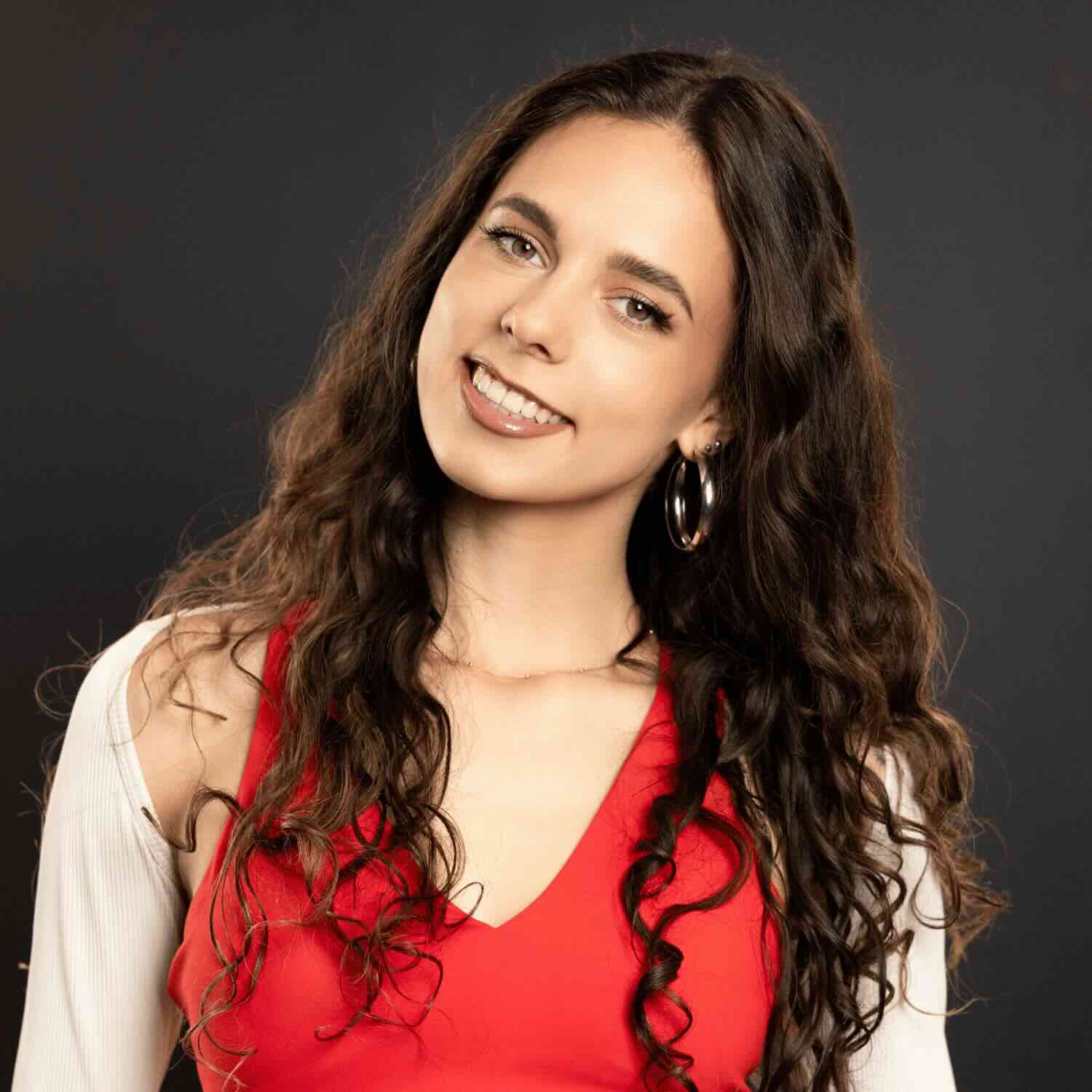
Teaches in: Vilnius
Karolina has danced for more than 15 years and completed international dance academy studies in Denmark and Los Angeles.

Teaches in: Vilnius
Aura Šriubšaitė is a waacking dancer and teacher. She completed contemporary dance and dance pedagogy studies at LMTA in 2025.
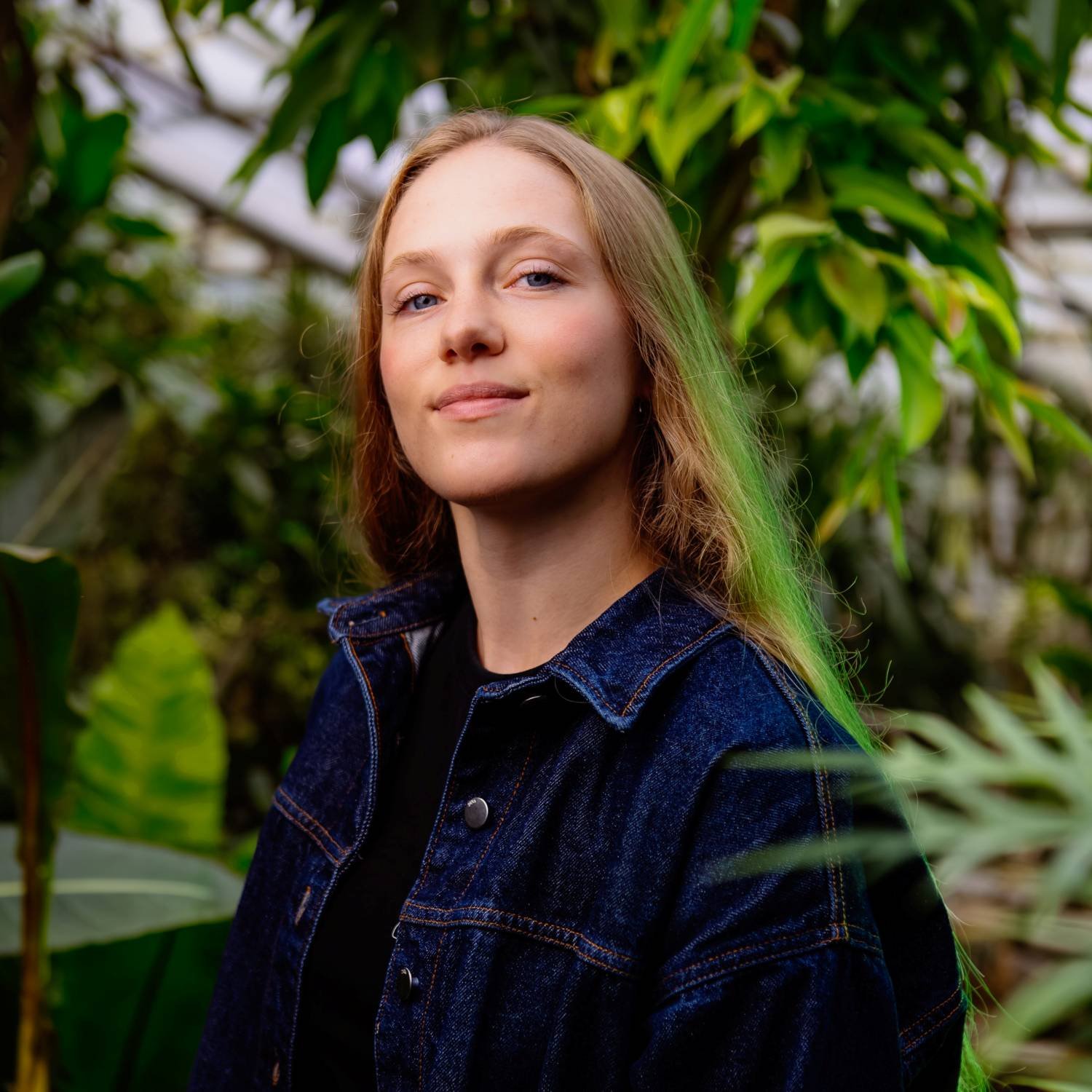
Teaches in: Vilnius
Viktoria is a contemporary dance and Waacking dancer, teacher and artist. She teaches in English and Russian.