In this article
- Your first class
- Origins and community
- Movement to notice
- Listen to the music
- Choosing a class
- Approaches and next steps
Discover your style
Jazz Dance brings together African-diaspora rhythm, improvisation, club and theatre history, body isolations, and stage technique.
01
Jazz square, Charleston, kick-ball-change, and pas de bourrée are useful entries. The teacher should also explain plié, weight, and movement quality so you understand the movement behind the combination.
A short routine gives adult learners a satisfying result, and teacher feedback helps them improve. Find a teacher who sees your rhythm, helps you change energy and gives useful feedback.
Before a long sequence, ask for one musical task: mark a syncopation, change the size of a walk or pause with a horn phrase. Try it with a clear weight change. Step names then become audible choices in each phrase.
02
Jazz Dance history connects African-diaspora experience in the United States, New Orleans music culture, and Harlem social dances. European stage influence later met these rhythms in theatre and studios.
Katherine Dunham researched and created through Caribbean and African-diaspora movement; Jack Cole and Bob Fosse built different stage languages. No one figure explains all Jazz.
The Smithsonian-listed Jazz Dance book follows American vernacular dance history. Theatre and studio jazz later took up and changed some of those rhythmic ideas. A teacher can show one social-dance and one stage example.
The scene has no single present world capital. Jazz lives in theatre, schools, socials, and studios, where its name keeps joining new genres.
When hearing Duke Ellington, Sister Rosetta Tharpe, or Artie Shaw, follow syncopation and phrase. Music helps separate a living Jazz feeling from generic pop choreography carrying a ‘jazz’ label.
A combination can be danced to a swing band or a newer pop track. Notice which accents remain and where the energy changes. The comparison helps you recognise the technique beneath different stage surfaces.
03
A clean line matters when it keeps syncopation and the music’s playful impulse.
Watch group timing and stage spacing in this 2023 IDO World Jazz Dance Championship formation. It is a competition example.
International Dance OrganizationOpen the original source ↗04
Jazz syncopation puts an accent where you did not expect it. Let foot and torso answer differently.
05
06
Solo Jazz more directly uses swing-era social vocabulary and improvisation. Jazz Dance may include broader stage technique, isolations, and choreographic storytelling.
Commercial Jazz adapts jazz lines for cameras, pop work, and auditions. The wider Jazz Dance history begins much earlier and includes social and theatre traditions.

Teaches in: Vilnius
Airida Gudaitė is a dancer, choreographer and educator with more than three decades of dance work. She co-founded Low Air with Laurynas Žakevičius in 2012.

Teaches in: Vilnius
Povilas Jurgaitis is a contemporary dance performer, creator and educator. In 2025, he completed a master’s in dance movement therapy at LMTA and Vilnius University.
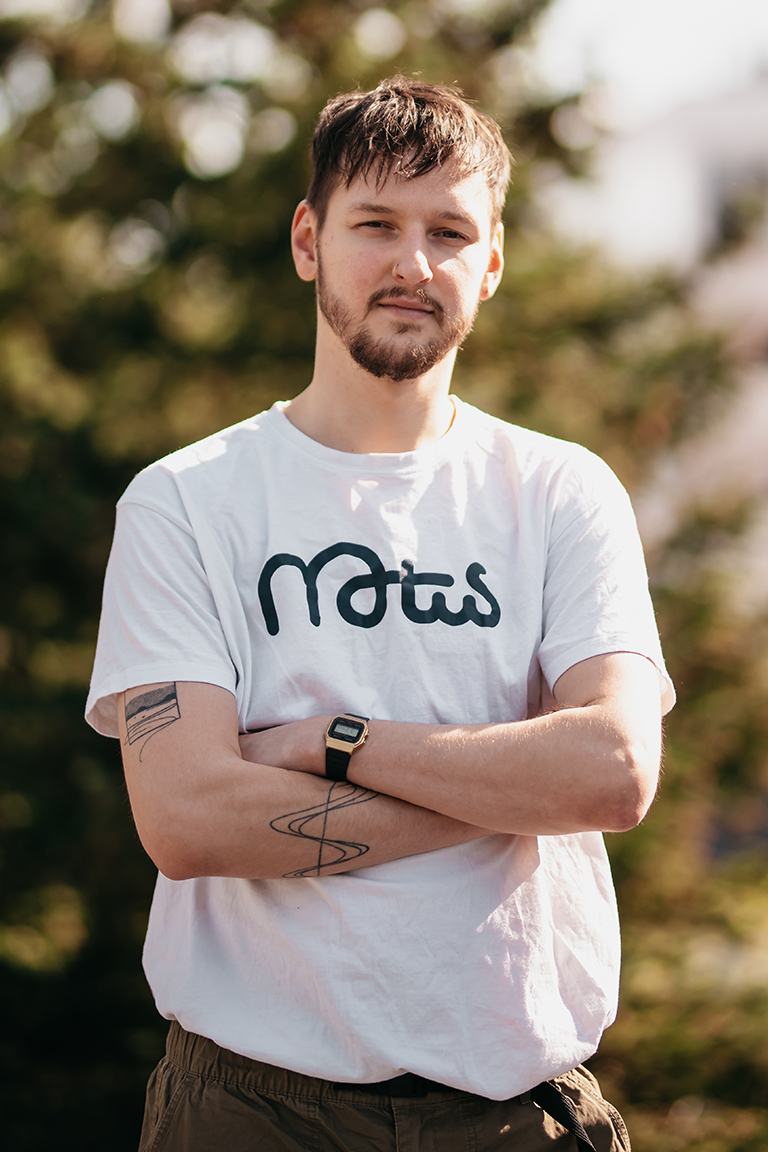
Teaches in: Vilnius
Tomas Araškevičius is a street dancer, choreographer and teacher of street dance and street jazz.
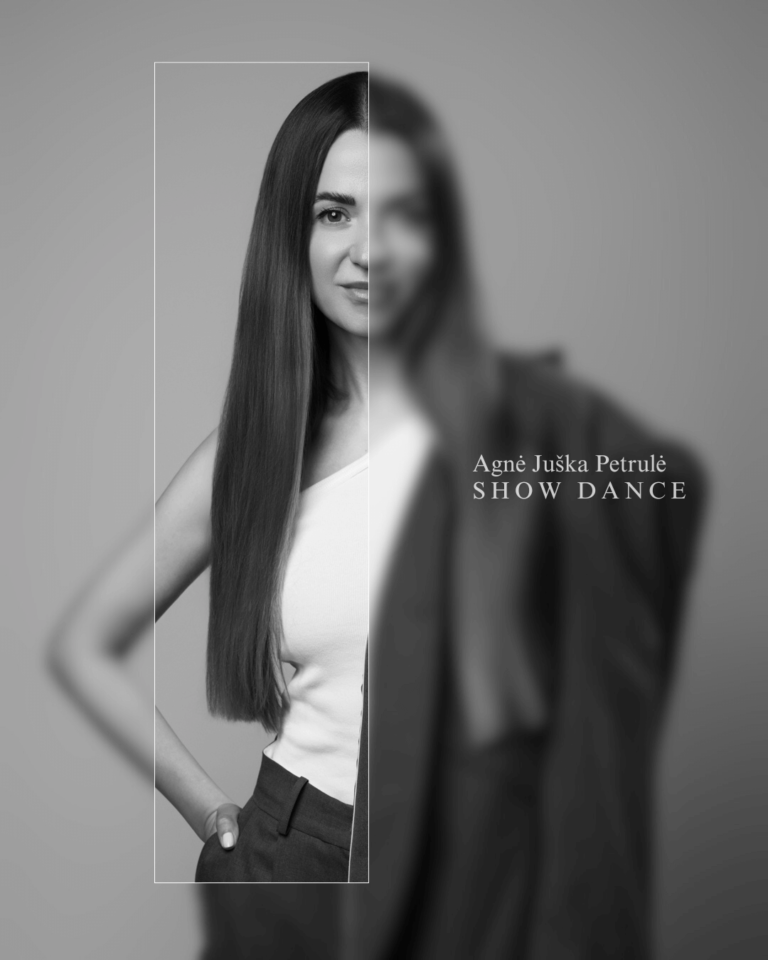
Teaches in: Vilnius
Founder of Šok/Šok, a qualified senior dance teacher, choreographer and director. She works on TV and stage projects and combines street dance, commercial dance, jazz and contemporary styles.
Teaches in: Vilnius
Žaneta, also known as Žaneta ART, founded Žvaigždžių Takas and is a choreographer and dance teacher with more than 18 years of teaching experience.