In this article
- Your first class
- Origins and community
- Movement to notice
- Listen to the music
- Choosing a class
- Approaches and next steps
Discover your style
Commercial Jazz wants a clean line the camera can read and energy that sells a song's world. Beneath the polish, jazz technique and musical articulation still need to remain.
01
A class may combine a jazz-technique warm-up, a short routine and performance practice. Look for a teacher who explains timing, body lines and the purpose of a movement before joining the full phrase.
The Alvin Ailey Commercial Jazz class connects choreography with stage and screen performance. Before booking, ask how much class time goes to technique, the routine and teacher feedback.
Learn one jazz movement slowly and clearly, then place it in a short performance phrase. Notice how gaze, angle and the ending carry the song's accent. Ask for feedback on timing and weight.
02
The form inherits African-American jazz and theatre histories, then moves through U.S. entertainment hubs and global commercial studios.
The Alvin Ailey organisation's Commercial Jazz class description joins jazz technique with contemporary performance. This studio format serves theatre and commercial projects, while its rhythmic roots lead into the wider history of jazz dance.
Commercial Jazz draws on Black American jazz and theatre traditions. Choreography shapes that technique for pop performance, stage and camera.
Stage and camera ask for different movement sizes. Try the same phrase for a whole room and for a tight camera frame. Ask how the choreographer chooses music, costume and positions so the song's energy stays clear.
03
Try the same phrase for stage and camera: direction changes while technique remains.
Watch body lines, musical accents and changes of energy in Nicholas Palmquist’s choreography.
Broadway Dance Center · Nicholas PalmquistOpen the original source ↗04
One pop song may change texture in its chorus. A line, hit and pause occupy different places in the music.
05
06
Jazz Dance has a wider social, theatre, and studio history. Commercial Jazz selects technique for pop artists, cameras, auditions, and stage production.
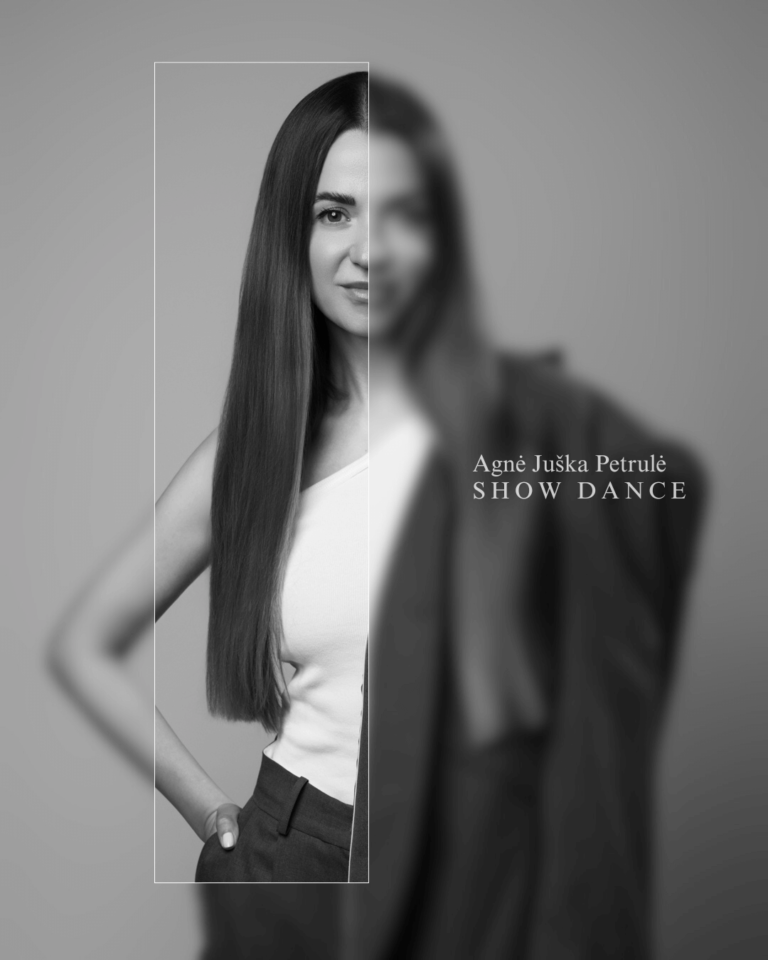
Teaches in: Vilnius
Founder of Šok/Šok, a qualified senior dance teacher, choreographer and director. She works on TV and stage projects and combines street dance, commercial dance, jazz and contemporary styles.