In this article
- Your first class
- Origins and community
- Movement to notice
- Listen to the music
- Choosing a class
- Approaches and next steps
Discover your style
A Callanetics class uses small repeated movements and attention to alignment. The instructor sets the pace, positions and options for the group.
01
Ask to see an exercise from the front and side. Begin with a small range, breathe normally and tell the instructor if a position does not suit you. In a first class, understanding direction and control matters more than a high repetition count.
Ask whether the group needs a mat and how exercises are adapted for beginners. If you have movement limits, ask for an individual option before the series begins. You can then take part with a clear choice.
02
The Callanetics organisation's history connects the programme with Callan Pinckney and her work in the late 1970s. Today's instructor classes belong to a named fitness system. Ask the local instructor about their exercises and pace.
Music may help set a calm pace, while the instructor determines repetitions and pauses. Notice whether they show each position clearly and offer options for different experience levels. Those explanations help you understand your own work.
03
A small range needs precise position and calm breathing; if it hurts, reduce the movement and ask the instructor.
Watch how the instructor demonstrates a small-range movement in this official recording. Hear the explanation first and choose your own pace.
CallaneticsOpen the original source ↗04
Music can help keep time while you focus on precise small movements and calm breathing.
05
06
Callanetics uses small pulsing exercises and control. Body Flow is a broader local label that may mix mobility, strength, and flowing sequences.
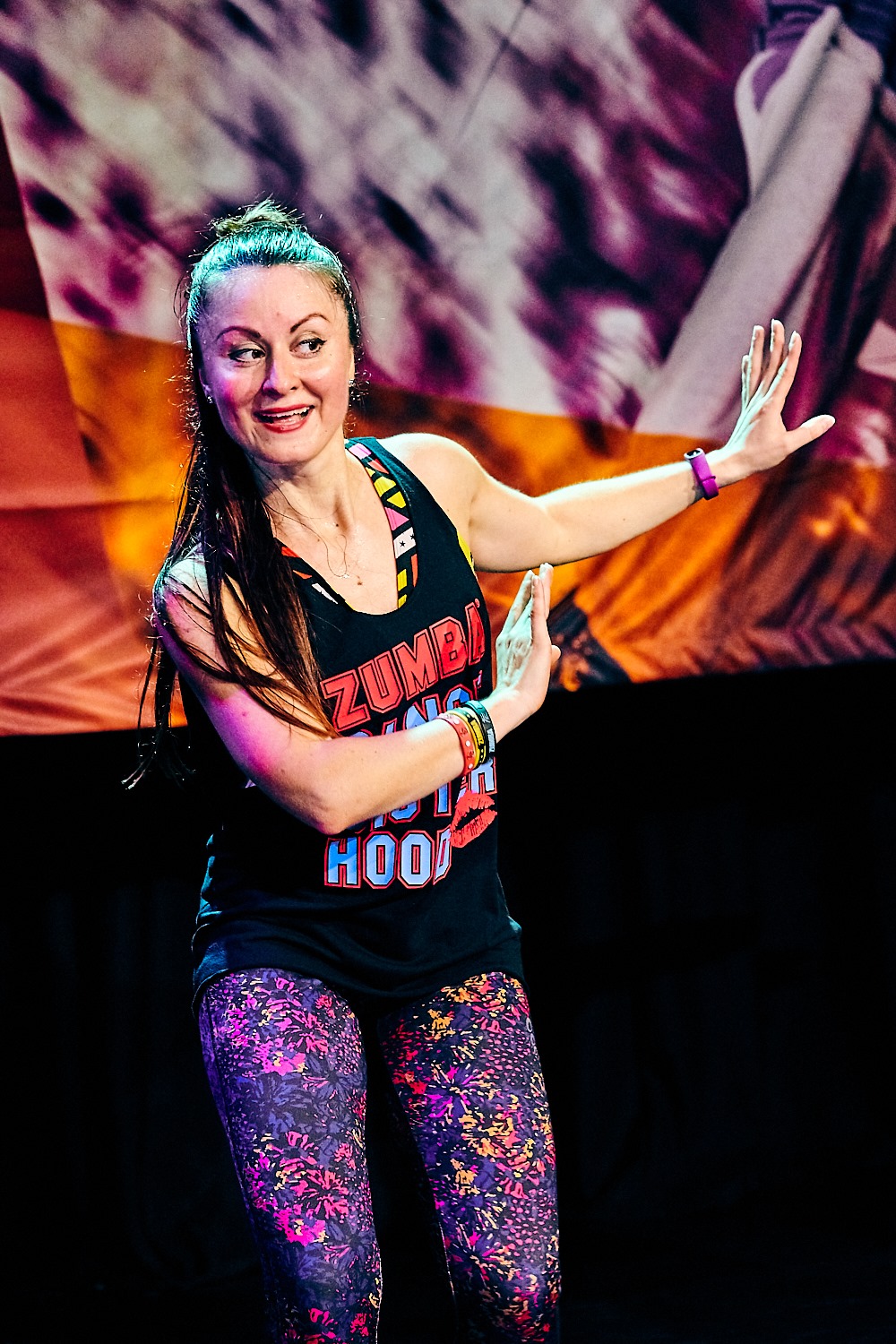
Teaches in: Vilnius
Marija Mickevičiūtė-Kaščiukienė is a qualified dance teacher and licensed group and personal training coach.