In this article
- Your first class
- Origins and community
- Movement to notice
- Listen to the music
- Choosing a class
- Approaches and next steps
Discover your style
Show Dance begins with one question: what should the audience understand within a few minutes? Technique, costume, and music become tools for one clear stage world.
01
Expect a clear stage task: theme, musical phrase, line, and place in the group. A good teacher builds a show in layers, so beginners can build toward the finale.
Work on one specific point per attempt, such as an angle or partner spacing.
Begin with one stage phrase: entrance, clear accent and exit. Notice where the other dancers stand and what an audience would see. The teacher can separate tasks for music, space and expression so you can work on one choice at a time.
02
Show Dance is a stage format carried by studios, contests and theatre projects. Each work’s movement roots depend on the dances its makers choose.
The International Dance Organization's 2026 rules show one competition route for stage dance. A studio Show Dance class may instead prepare a school event or theatre piece. The performance format belongs to the specific work.
A strong Show Dance routine names the music, communities, and movement traditions it adapts for the stage.
Ask which song the group will use and which dance forms supplied its movements. The group can build a stage story together, while each dancer contributes timing and focus. For a children's group, ask how many rehearsals, costumes and performances are planned.
03
In one phrase the group may gather at centre stage; in the next it opens into two lines. Notice how that change of space guides the audience’s eye.
Selina Jappee and Herman Keim perform a stage duet. Watch how space, movement phrases and roles shape one performance.
International Dance OrganizationOpen the original source ↗04
In a stage work, music shapes the opening, climax and ending. Hear a phrase build, pause or change mood, and watch how the choreography answers those changes.
05
06
Choreography may be a learning process or studio routine. Show Dance aims at a finished stage result with drama, projection, and visual choices.

Teaches in: Vilnius
Vidmantė Čepulytė Kamarauskė is a contemporary dance choreographer, musical and opera performer, and dance pedagogy lecturer at Vilnius College.
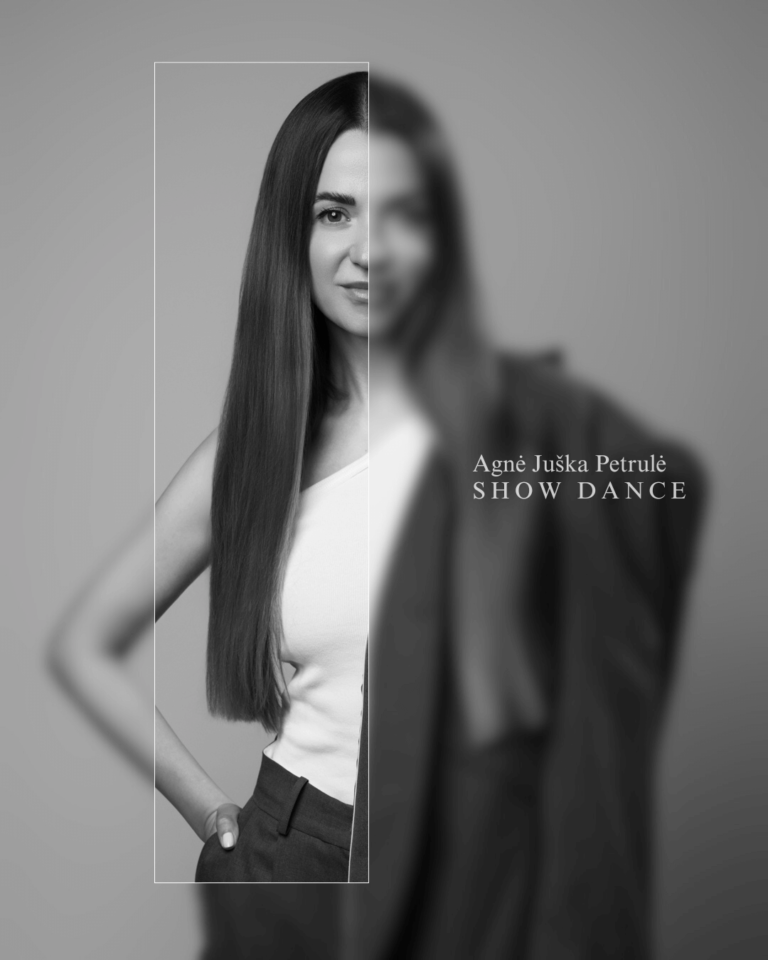
Teaches in: Vilnius
Founder of Šok/Šok, a qualified senior dance teacher, choreographer and director. She works on TV and stage projects and combines street dance, commercial dance, jazz and contemporary styles.
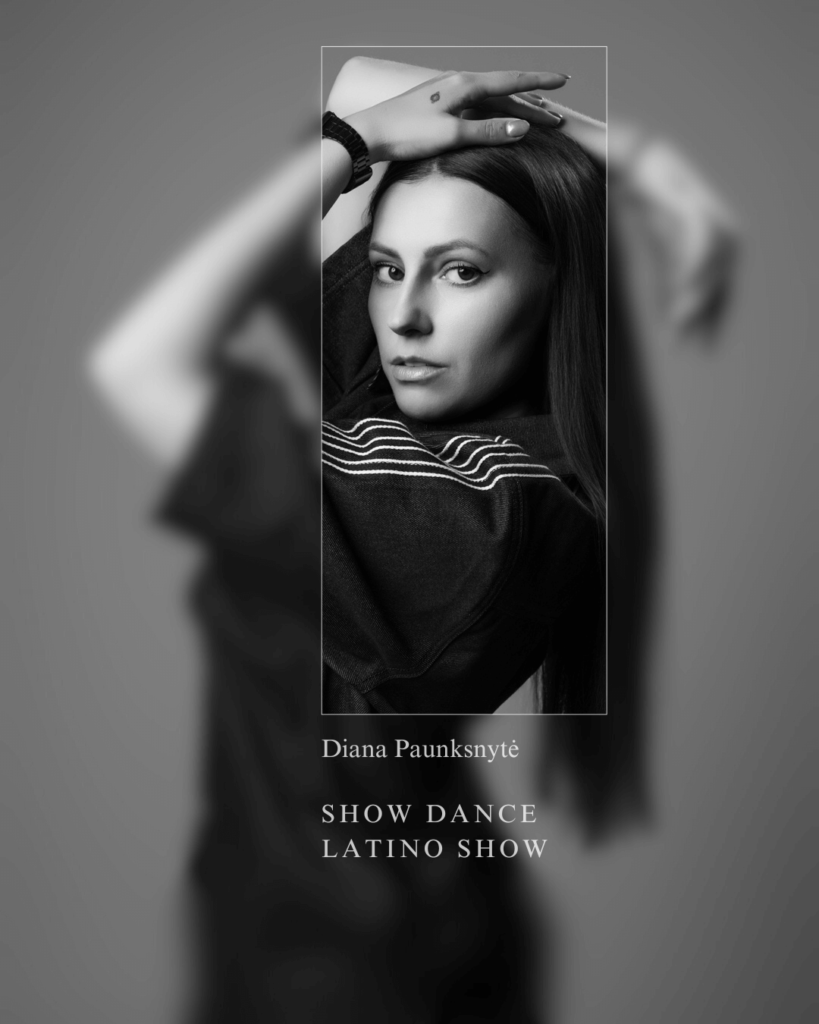
Teaches in: Vilnius
A qualified dance educator and methodologist with a master's degree in dance education; she choreographs TV and stage projects and works with show dance and PUELLA Latino Show groups.
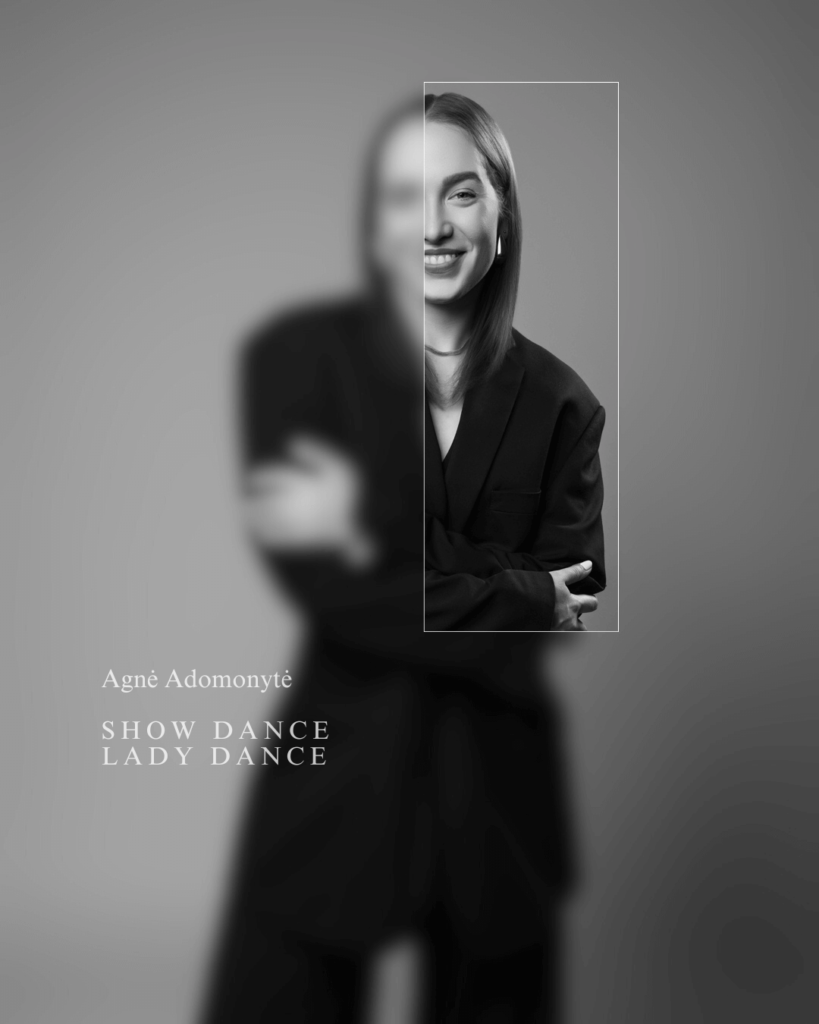
Teaches in: Vilnius
A qualified dance educator and choreographer with a degree in creative communication; she teaches children and youth groups and leads Lady Dance classes.
Teaches in: Vilnius
Kotryna teaches Show Dance and works as a choreographer. She has danced since the age of six.
Teaches in: Vilnius
Žaneta, also known as Žaneta ART, founded Žvaigždžių Takas and is a choreographer and dance teacher with more than 18 years of teaching experience.
Teaches in: Klaipėda