In this article
- Your first class
- Origins and community
- Movement to notice
- Listen to the music
- Choosing a class
- Approaches and next steps
Discover your style
Latin Dance covers several rhythms and class formats, from social partnering to solo choreography. Choose the experience you want.
01
A first class may work as a sampler: one hour can reveal whether you want partnering, solo choreography, or a workout. Ask the teacher to name every style being borrowed.
Partner practice after class can consolidate mechanics, while a social adds unfamiliar partners and musicality.
Before booking, find out what this studio means by Latin Dance. One group may alternate salsa and bachata, another may teach competitive Latin dances, and a third may build solo routines. Ask the teacher to name the first rhythm and show where its accent falls.
If partner dancing is new to you, ask whether you can come alone and whether partners rotate. For a solo class, ask whether it teaches one dance's foundations or combines movement from several traditions. The answer helps you choose the experience you actually want.
02
The umbrella stretches across the Caribbean, Latin America, the Río de la Plata and diaspora hubs such as New York.
In competition, the World DanceSport Federation uses Latin for samba, cha-cha-cha, rumba, paso doble and jive. This five-dance programme has a defined competitive format. A studio's Latin Dance label can also include other social or solo forms.
The Dominican tradition of bachata and the stage form of competitive samba deserve separate attention. A mixed class can use both, while each rhythm still carries its own history, instruments and community.
Bachata, salsa, merengue, samba, rumba and tango each have their own music, communities and histories. At a social, you can feel those differences in the rhythm, partner distance and movement.
Cuba, the Dominican Republic, Brazil, Buenos Aires, Montevideo and New York connect with different Latin dance traditions. Each place’s music and social gatherings shaped a distinct dance experience.
Listen to two songs before counting a step. Where does percussion lead, where does a melody answer, and when does a voice change the mood? As the teacher switches dances, notice how step size and partner distance change.
A mixed class can help you find a rhythm that draws you in. After a few lessons, choose one dance to study more closely and visit its own social night or course. The broad label then becomes a clear learning path.
03
Ask what rhythm the song uses before learning a step: salsa, bachata and samba organise the body differently.
Watch the pair's timing, stage energy and jive rhythm in this World DanceSport Federation recording. Jive is one of the five competitive Latin dances.
World DanceSport FederationOpen the original source ↗04
These classes may use several rhythms. Ask whether the song is salsa, bachata, samba or another specific form.
05
06
Latin Partner Dance clearly promises partner connection. Latin Dance may also mean solo, fitness, or stage work, so the timetable label needs unpacking.
3 classes for your search
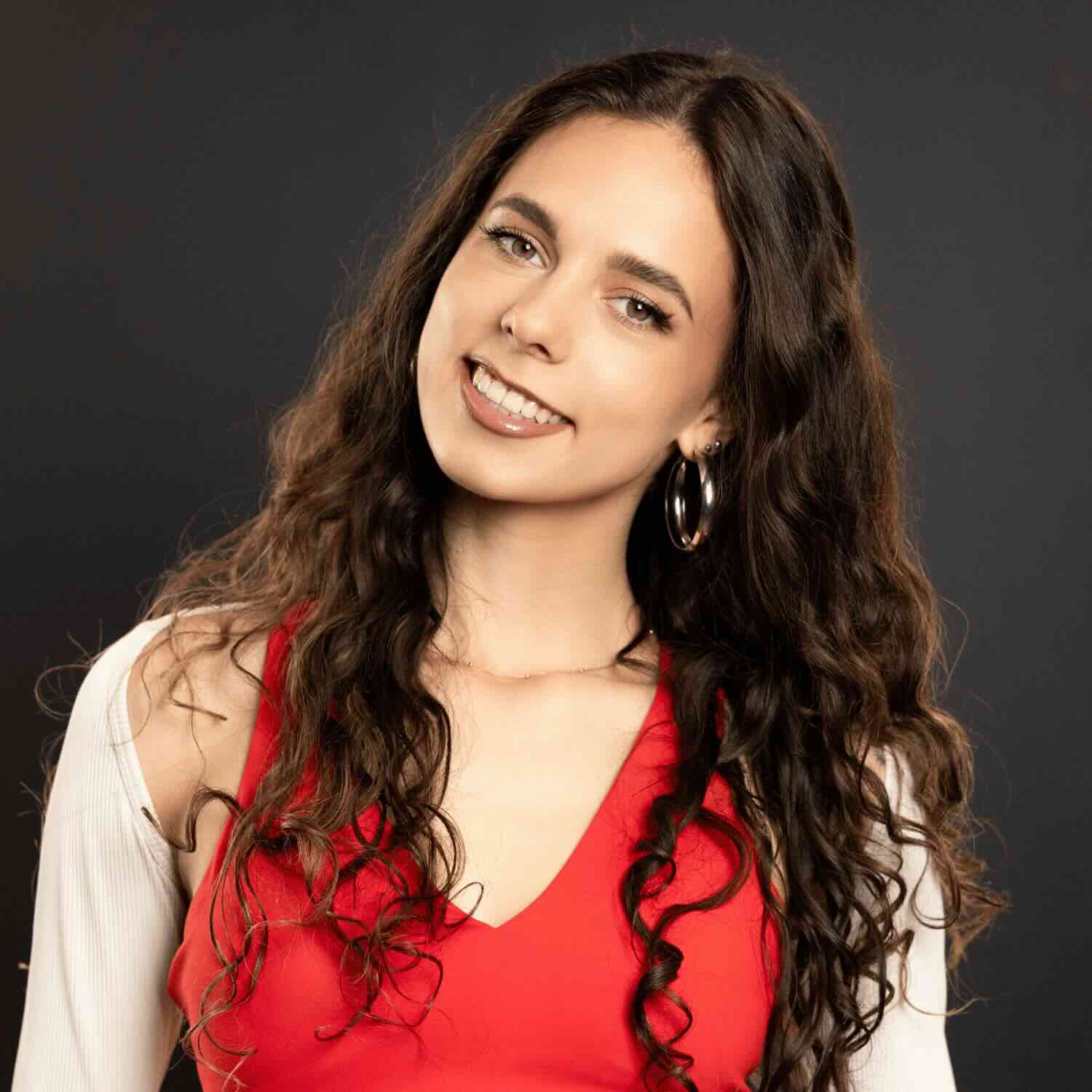
Teaches in: Vilnius
Karolina has danced for more than 15 years and completed international dance academy studies in Denmark and Los Angeles.

Teaches in: Vilnius
Kristina has danced since childhood, has competition and performance experience, and teaches Bachata Lady Style.
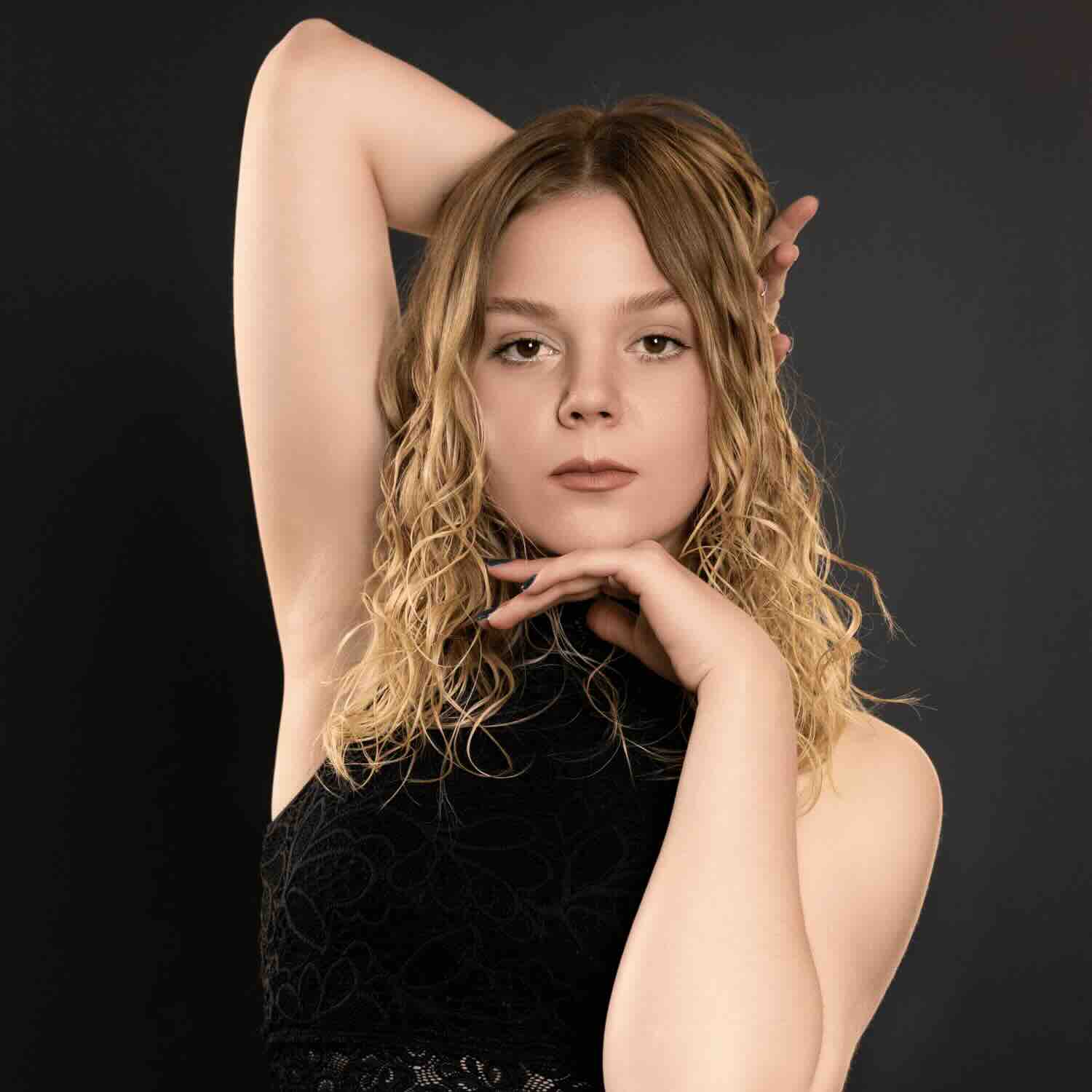
Teaches in: Vilnius
Mariia danced ballroom for more than ten years and became a Ukrainian champion in 2018.
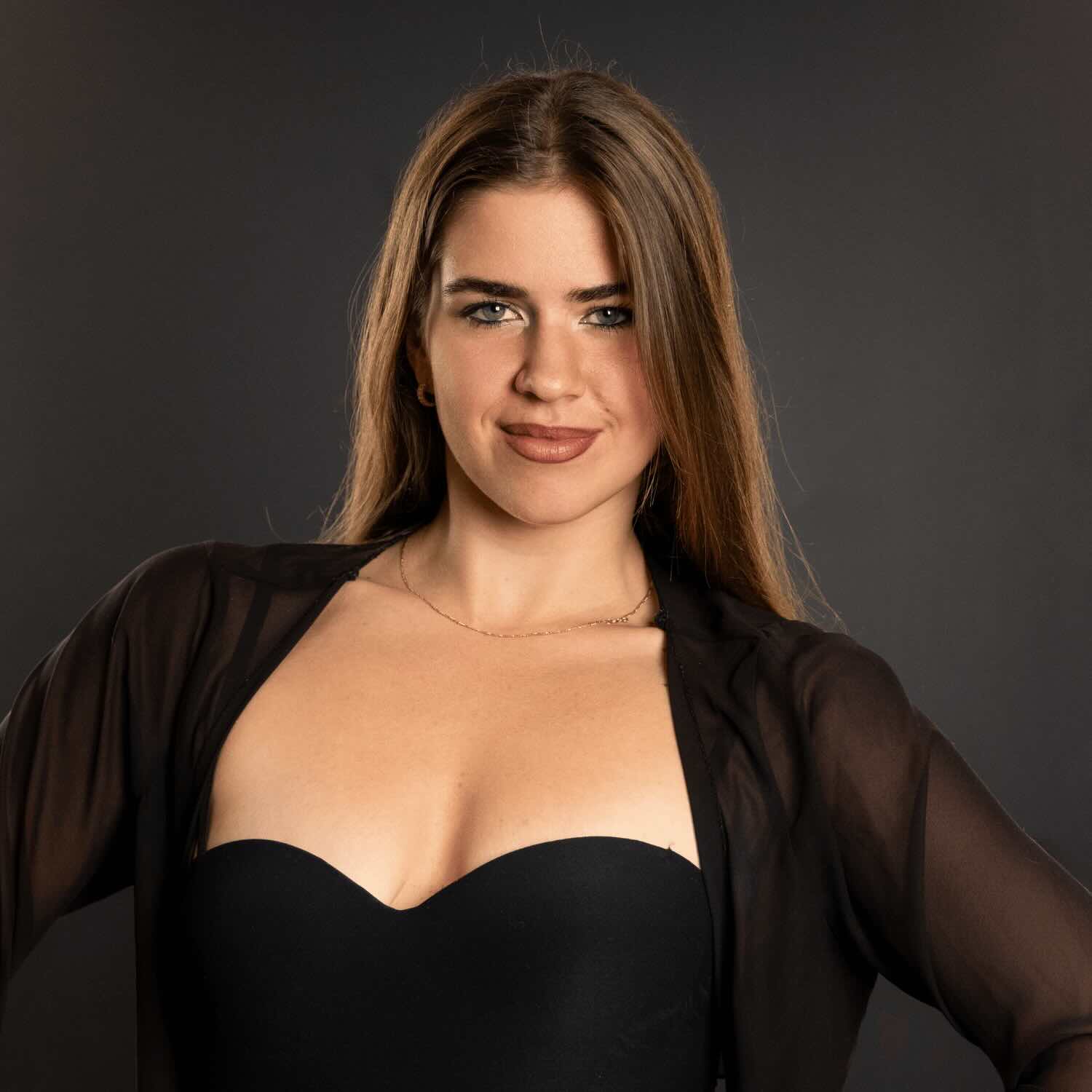
Teaches in: Vilnius
Neringa teaches Solo Latino. Her profile lists a Lithuanian championship and a Top 9 result at a world event.

Teaches in: Vilnius
A Bachata and Lady Styling teacher at Bachata Vilnius.

Teaches in: Vilnius
A Bachata Vilnius bachata teacher from Italy.

Teaches in: Vilnius
A Bachata Vilnius bachata teacher from Azerbaijan.

Teaches in: Vilnius
A Bachata and Lady Styling teacher at Bachata Vilnius.

Teaches in: Vilnius
A BachaZouk teacher at Bachata Vilnius.

Teaches in: Vilnius
A bachata and Lady Style teacher at Bachata Vilnius.

Teaches in: Vilnius
A bachata and BachaZouk teacher at Bachata Vilnius.

Teaches in: Vilnius
A Bachata Vilnius bachata teacher from Peru.

Teaches in: Vilnius
A Bachata Vilnius bachata teacher from Peru.

Teaches in: Vilnius
Augustė is a professional ballroom and Latin dancer and teacher. She teaches Latino Choreo.
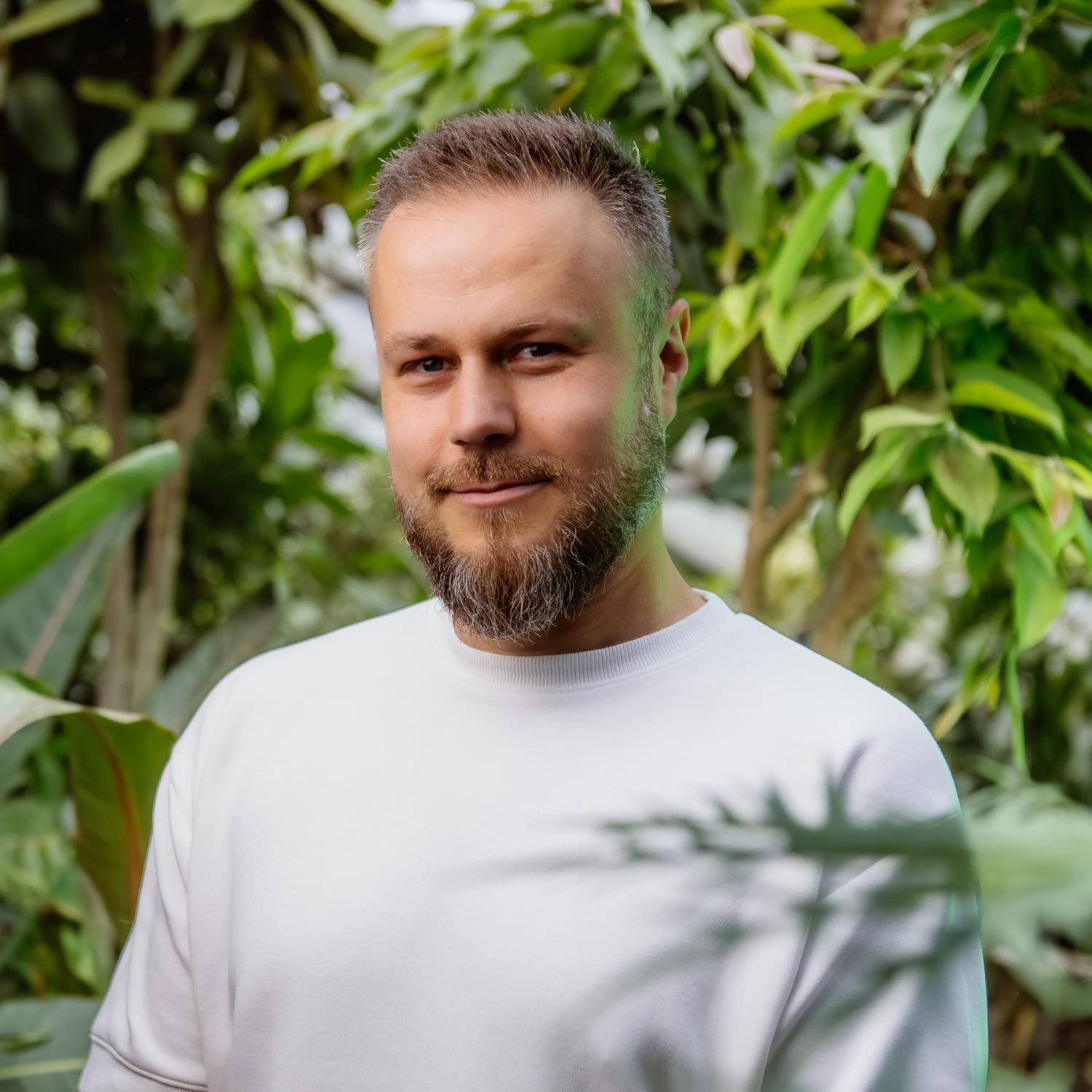
Teaches in: Vilnius
Dainius is a professional ballroom and Latin dance performer and teacher with decades of experience.
Teaches in: Vilnius
A SalsaOne teacher and performance-group member; he began dancing in 2010 and started teaching in 2013. His experience includes salsa, bachata and kizomba, and he has trained at international festivals.
Teaches in: Vilnius
A SalsaOne dancer and coach who began dancing as a child; she competed in salsa at age 15 and joined the studio community in 2019. She continues to train in ballet and ballroom dance.
Teaches in: Vilnius
Melisa teaches Solo Latino and is a professional ballroom and sport dance performer with more than 20 years of career experience.
Teaches in: Kaunas
Teaches in: Kaunas
Teaches in: Kaunas
Teaches in: Kaunas
Teaches in: Kaunas
Teaches in: Kaunas
Teaches in: Kaunas
Teaches in: Kaunas
Teaches in: Kaunas
Teaches in: Kaunas
Teaches in: Kaunas
Teaches in: Kaunas
Teaches in: Kaunas
Teaches in: Kaunas
Teaches in: Kaunas
Teaches in: Kaunas
Teaches in: Kaunas
Teaches in: Klaipėda
Teaches in: Panevėžys
Teaches in: Panevėžys
Teaches in: Panevėžys
Teaches in: Panevėžys
Teaches in: Utena
Teaches in: Utena