In this article
- Your first class
- What this class label means
- Movement to notice
- Listen to the music
- Choosing a class
- Approaches and next steps
Discover your style
Feminine Movement explores line, weight, gaze and personal expression. The teacher chooses the music and movement method; you choose how to use them.
01
Begin with a short walk-and-pause phrase. Change one thing: an arm path, a look or the pace. The teacher can show several versions; choose the one that answers the song and feels clear in your body.
Ask whether the class includes choreography, improvisation, heels or filming. Those choices change its pace and atmosphere. Knowing the format helps you find a group where you want to explore movement.
02
This is a contemporary studio-class label. One teacher may use jazz lines, another body movement from social dance or tasks from contemporary dance. Ask which techniques make up the class so you can choose the movement experience you want.
Feminine can suggest different images to different people. A teacher may offer a stage mood while dancers choose movement size, gaze and their relationship with the camera. Notice whether the class makes room for those choices.
Try the same phrase with two songs: carry a long melodic line in one and answer a drum briefly in the other. You will hear how music can guide expression as strongly as a visual example.
A class can draw on several techniques. The Alvin Ailey Commercial Jazz description is one stage-movement example; NDEO’s dance-education account includes technique, improvisation and creation. Ask which of these the group will practise.
03
Try movement without one required version of “feminine”; choose range, gaze and boundaries.
This Broadway Dance Center class shows one approach to feminine stage movement.
Broadway Dance Center · Debbie WilsonOpen the original source ↗04
Music may invite many kinds of expression; a teacher should not demand one response. Choose your accent and boundaries.
05
06
Feminine Movement may practise groove, posture, and expression without a final routine. Feminine Choreography arranges those elements into a repeatable sequence.
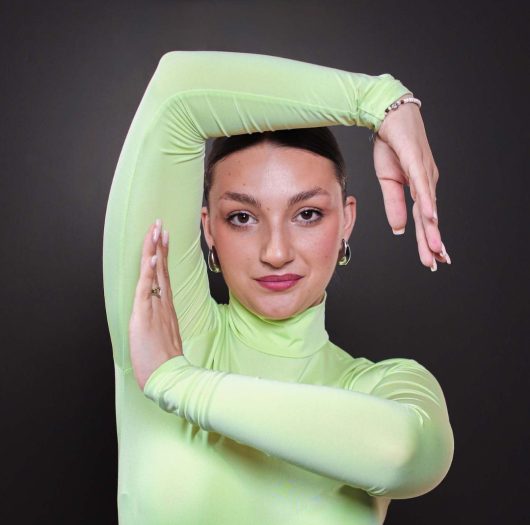
Teaches in: Vilnius
Kotryna (Boom) has danced for more than 15 years and teaches street dance to children, teenagers and adults.

Teaches in: Vilnius
Patre teaches Feminine Movement and has stage and competition experience.

Teaches in: Vilnius
Samanta has danced for more than 16 years and completed dance pedagogy studies.

Teaches in: Vilnius
Gustė Rastenytė teaches High Heels and Feminine Movement. She is a dancer and choreographer who has worked on television projects and music videos.

Teaches in: Vilnius
Kijka teaches Hip-Hop and Feminine Movement. She is a dancer who focuses on technique and a safe learning environment.

Teaches in: Vilnius
Vigėlytė teaches Feminine Movement and competes in Heels, DanceHall and Twerk battles.

Teaches in: Vilnius
Justė teaches Hip-Hop and Feminine Movement. She has performed at concerts with Jessica Shy, Vaidas Baumila, Mokinukės and The Roop.

Teaches in: Vilnius
Arina teaches Hip-Hop and Feminine Movement. She performs in ANT projects and choreographs shows for large events.

Teaches in: Vilnius
A Mheels teacher from Ukraine with experience in contemporary, ballroom, reggaeton and jazz dance; she previously taught reggaeton in Ukraine.
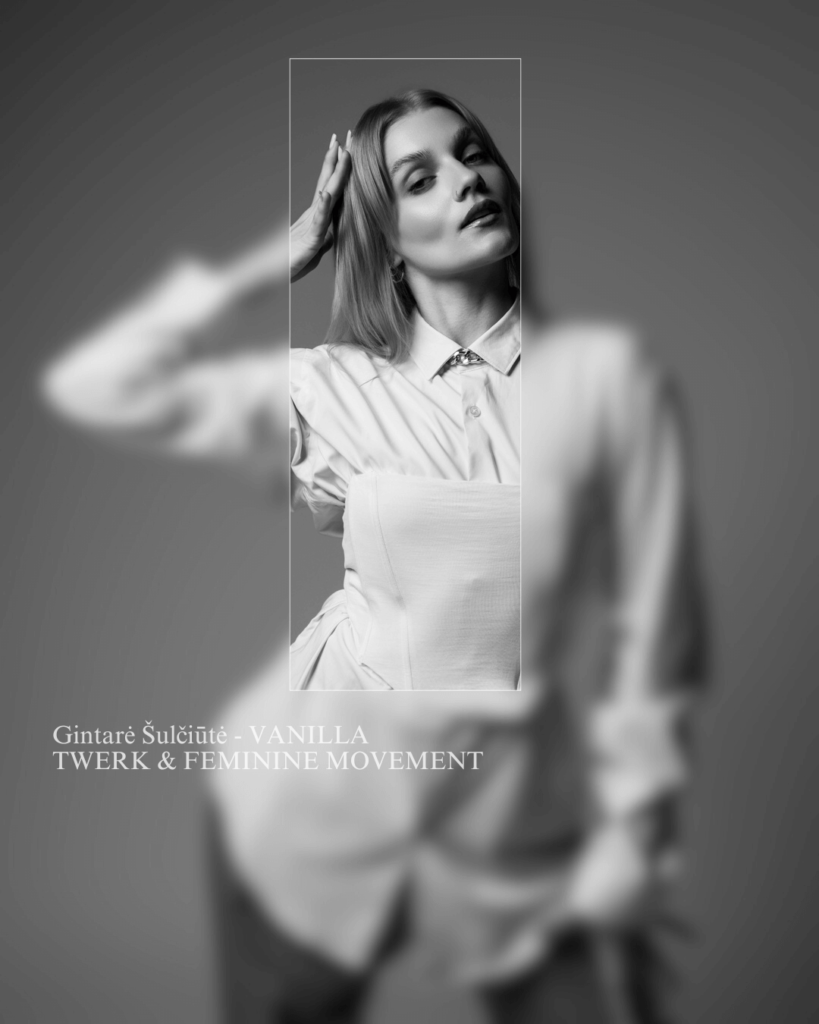
Teaches in: Vilnius
A professional dancer, choreographer, teacher and movement director with more than 20 years of stage work; she teaches Twerk and Feminine Movement.
Teaches in: Kaunas
Teaches in: Kaunas