In this article
- Your first class
- Origins and community
- Movement to notice
- Listen to the music
- Choosing a class
- Approaches and next steps
Discover your style
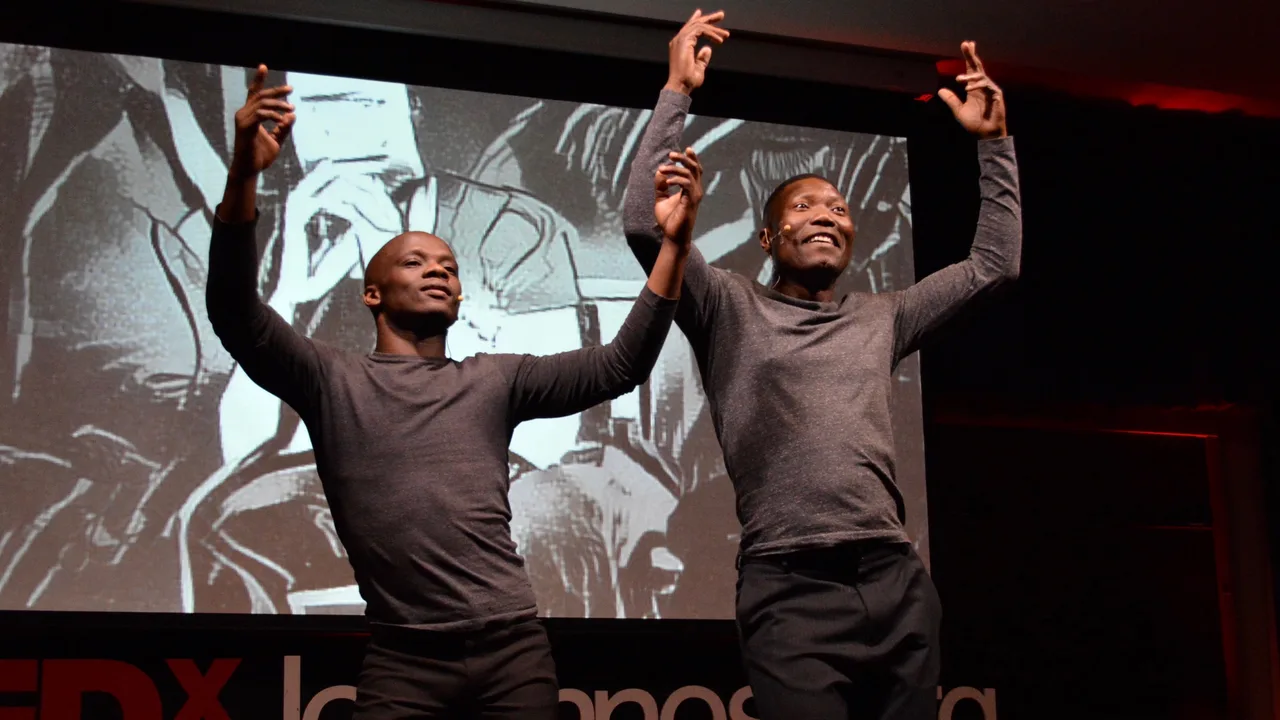
Contemporary draws on several movement techniques and asks: what happens when a body falls, waits, resists, or moves without music?
01
Ask what the class actually contains: release, floorwork, Cunningham, improvisation, or choreography. The answer changes your clothing, physical load, and expectations.
A teacher can show more than one route to the floor and offer different ranges of movement. Choose a version in which you can keep support and understand the task.
A class may offer a short improvisation task: follow the same path while changing tempo, focus or your relationship to another dancer. Try several responses and ask what the teacher noticed; the task may have several useful answers.
02
A New York Public Library dance account describes Judson Dance Theater artists working with everyday movement and spaces beyond the usual stage. That New York path is one strand in the later development of contemporary dance.
Trisha Brown explored movement on walls and city rooftops while other companies made different stage languages. The NYPL archive records Brown’s work as one path through a wider contemporary field.
In Rambert dancer Peter Curtis's oral history, he recalls the company's 1966 turn from classical ballet toward contemporary work. One company's path shows a wider feature of the field: techniques and creative methods change with choreographers and dancers.
Contemporary dance lives in companies, festivals, studios and independent spaces. Rambert dancer Peter Curtis's account shows one company changing direction with its dancers. When watching a work, notice the movement language chosen by its choreographer.
A work may move through silence, live sound and recorded music. Notice how each choice changes your attention and the dancers’ timing. Ask whether the class is preparing a performance or exploring a movement task.
03
Feel how the body descends and returns from the floor; begin the movement with a weight change.
Watch the group change distance, level and pace in this performance.
International Dance OrganizationOpen the original source ↗04
A contemporary work may use music, silence or speech. Notice whether movement meets the sound or resists it.
05
06
Ballet uses a recognisable codified system. Contemporary may borrow ballet technique, but can also choose weight, floorwork, and everyday movement.
Contact Improvisation studies shared weight, touch, and spontaneous decisions with another body. In contemporary class, improvisation may be only one tool among many.
Choosing a dance class for your child in Vilnius →

Teaches in: Vilnius
Gabrielė has danced for more than 15 years. She is a qualified teacher with performance, competition, seminar and children’s teaching experience.

Teaches in: Vilnius
A 7 Mūzos teacher and LMTA graduate who has danced since 2005 and has stage and teaching experience.
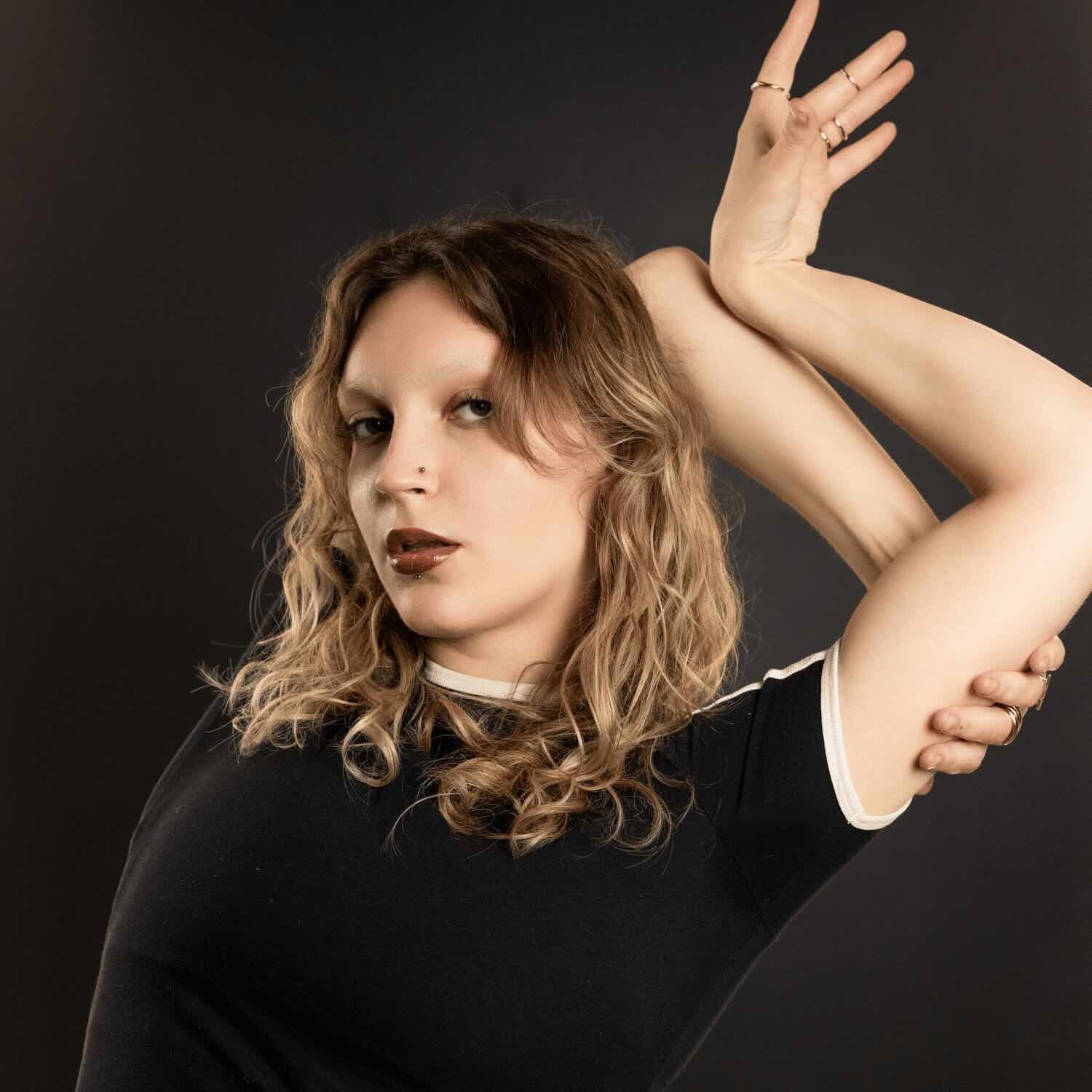
Teaches in: Vilnius
Marii has danced since 2010 and has taken part in competitions, festivals and team projects in Ukraine and Vilnius.

Teaches in: Vilnius
A Contemporary teacher at 7 Mūzos with over 16 years of dance experience; her classes combine technique and improvisation.
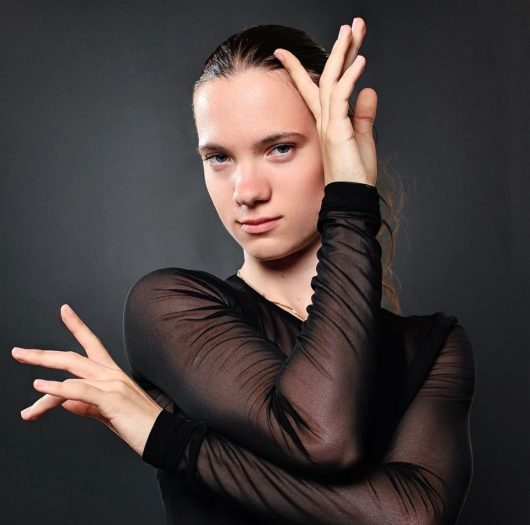
Teaches in: Vilnius
Viktorija has danced for more than 16 years and trained with Lithuanian and international creators. Her experience includes large stage projects.

Teaches in: Vilnius
Viktoryia has danced for more than ten years, won dance events and taken part in large stage projects.
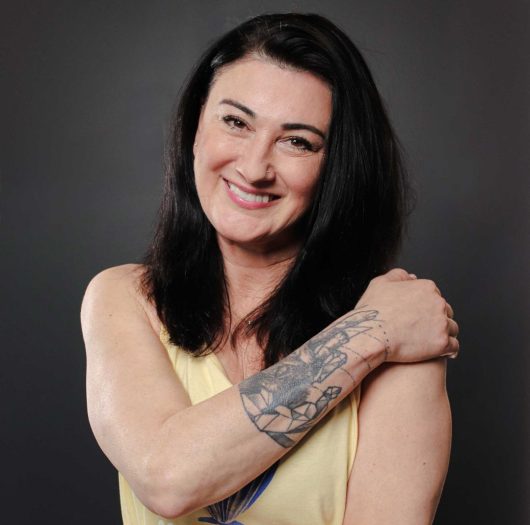
Teaches in: Vilnius
A Contemporary teacher at 7 Mūzos.

Teaches in: Vilnius
Emilija Dūdaitė is a contemporary dancer, choreographer and teacher. She graduated from LMTA in 2021 and is a certified Countertechnique teacher.

Teaches in: Vilnius
Gabrielle Emily Aidulis creates and teaches contemporary and street dance. She graduated in dance making from ArtEZ University of the Arts in the Netherlands in 2020.

Teaches in: Vilnius
Elmyra Ragimova is a contemporary dance performer, creator and teacher. She joined Dansema dance theatre in 2021.

Teaches in: Vilnius
Juozas Veiverys is a contemporary dance performer and teacher. He completed a bachelor’s degree in contemporary dance at LMTA in 2023.

Teaches in: Vilnius
Vidmantė Čepulytė Kamarauskė is a contemporary dance choreographer, musical and opera performer, and dance pedagogy lecturer at Vilnius College.

Teaches in: Vilnius
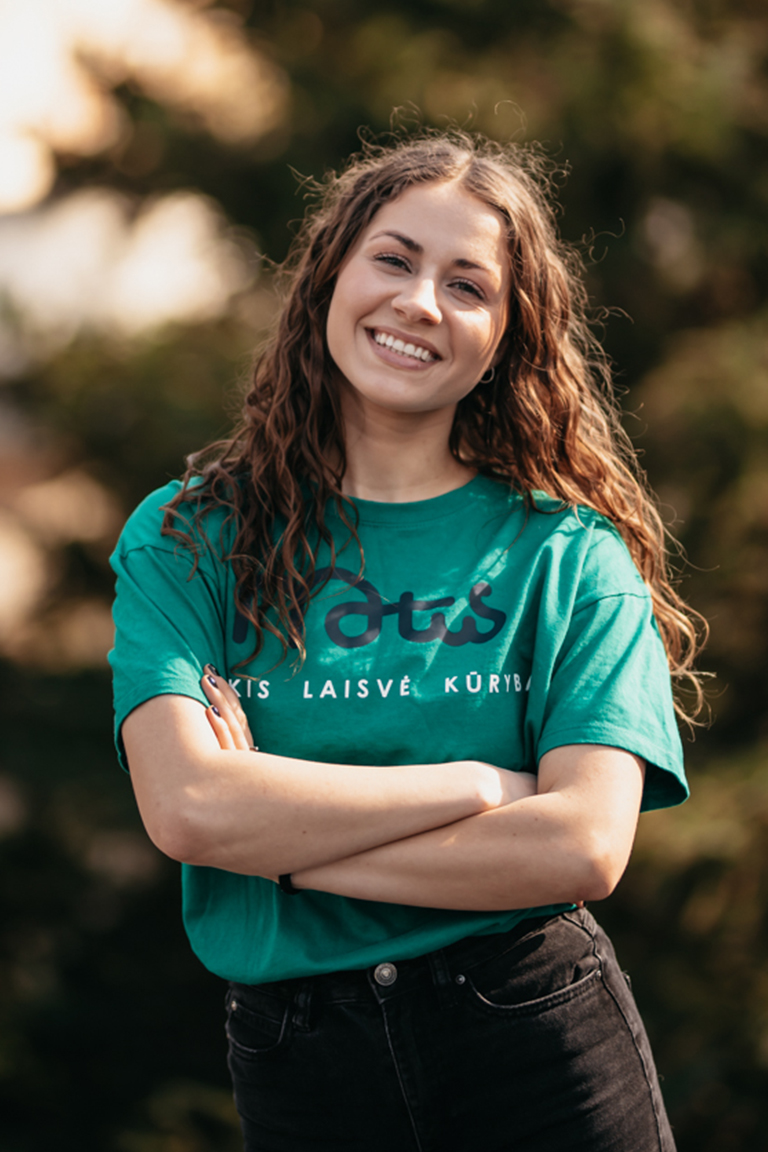
Veronika teaches choreography and Feminine Choreo. She performs on television and at concerts and creates choreography.
Teaches in: Vilnius
Viktorija Praninskaitė is a contemporary dancer and teacher. She has danced this style since 2013.

Teaches in: Vilnius
Viktoria is a contemporary dance and Waacking dancer, teacher and artist. She teaches in English and Russian.
Teaches in: Vilnius
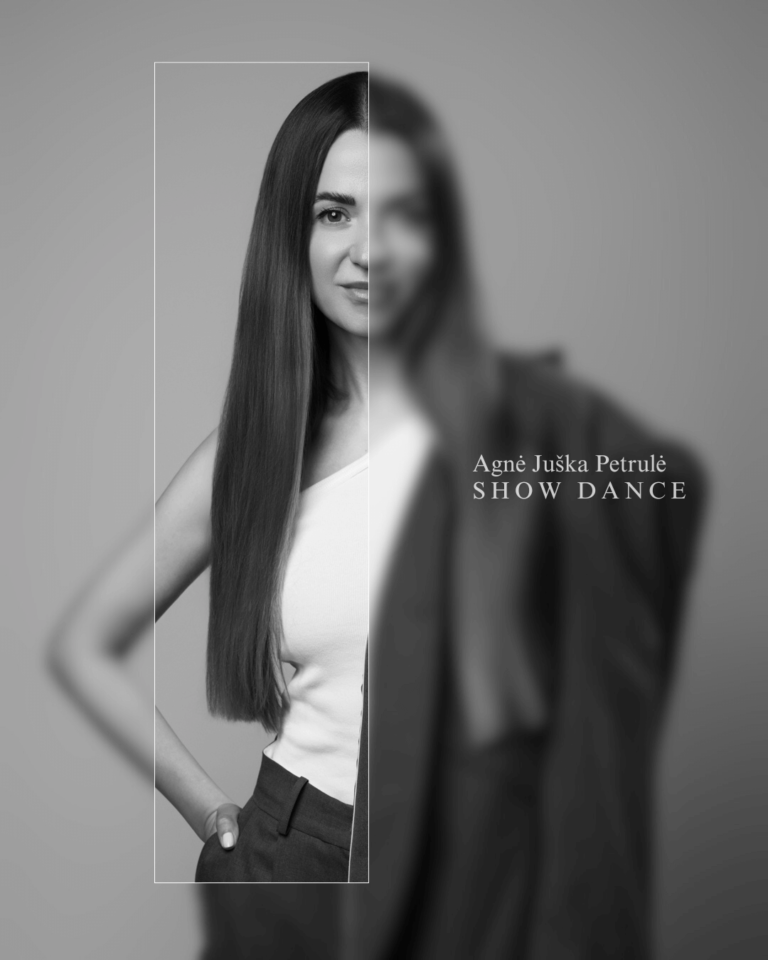
Founder of Šok/Šok, a qualified senior dance teacher, choreographer and director. She works on TV and stage projects and combines street dance, commercial dance, jazz and contemporary styles.
Teaches in: Vilnius
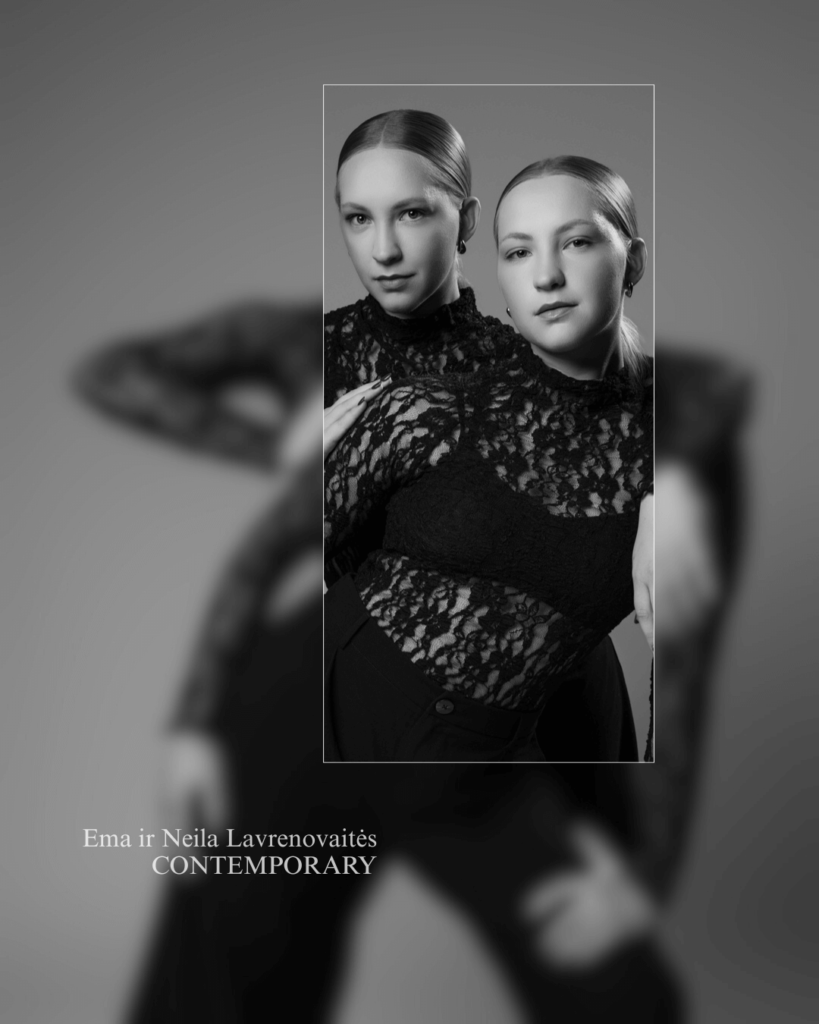
Twin dancers who trained in artistic gymnastics for 13 years and now perform and teach contemporary dance. They also work on TV, stage and music projects.
Teaches in: Vilnius
Gabriela teaches contemporary dance and is listed on the official Žvaigždžių Takas instructor roster.
Teaches in: Kaunas
Teaches in: Kaunas
Teaches in: Kaunas
Teaches in: Kaunas
Teaches in: Kaunas
Teaches in: Kaunas
Teaches in: Kaunas
Teaches in: Kaunas
Teaches in: Kaunas
Teaches in: Klaipėda
Teaches in: Klaipėda
Teaches in: Klaipėda
Teaches in: Klaipėda
Teaches in: Klaipėda
Teaches in: Klaipėda
Teaches in: Klaipėda
Teaches in: Utena