In this article
- Your first class
- Origins and community
- Movement to notice
- Listen to the music
- Choosing a class
- Approaches and next steps
Discover your style
Ballroom Dance creates a clear couple silhouette and shared path across a room. A social night, studio syllabus, and competition may teach very different versions under the same name.
01
A sampler class may show several rhythms, holds, and travel directions. Before choosing a programme, say whether you want social dancing, a wedding dance, or competition.
Start with a studio or sampler class where a teacher can show foundations and several dances.
Ask for a waltz and a tango example. You will move with a partner in both, but the timing and feel of the walk change. Try one short phrase without many figures so you can sense how a pair chooses a shared direction.
02
Standard and Latin dances were codified for teaching and competition. WDSF separates these competitive categories; the dances also have social histories.
The Imperial Society of Teachers of Dancing describes how its Ballroom branch began structuring the teaching of waltz, foxtrot, tango and quickstep in 1924. Their social lives had begun earlier in different places; a studio syllabus tells you which versions you will study.
A ballroom group may train for competitions or learn to dance for enjoyment. Ask what this group aims to do, whether performances are required, and which extra costs to expect.
At a social, the aim may be to travel comfortably among other couples; in competition, a pair works toward a judged technique. Ask how the studio separates these paths and whether you can try one introductory class before choosing a longer course.
03
Different dances use different rhythms and routes across the floor; learn each dance’s rhythm and route separately.
Watch Evaldas Sodeika and Ieva travel together across the floor. Their waltz hold shows one competitive Standard dance.
DanceSport TVOpen the original source ↗04
Waltz, tango and Latin dances have different musical timing. Ask how the step and hold change.
05
06
Ballroom Dance is a broader umbrella for social and stage partner forms. DanceSport standardises technique, categories, and judging for competition.
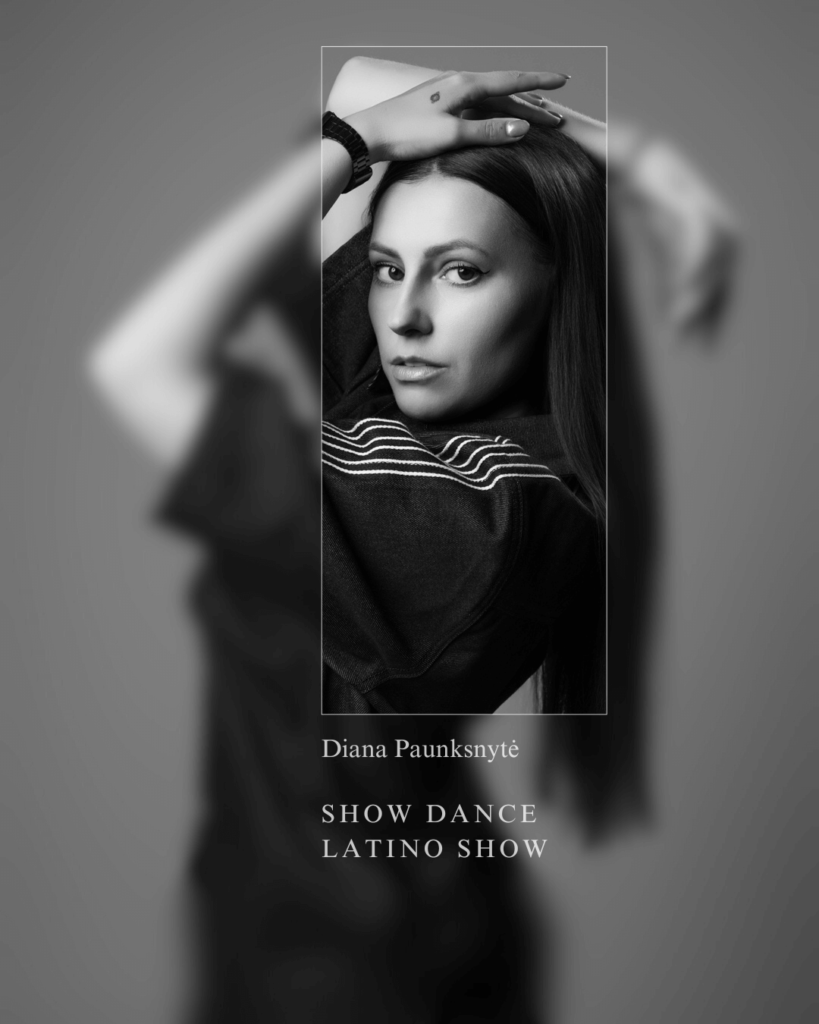
Teaches in: Vilnius
A qualified dance educator and methodologist with a master's degree in dance education; she choreographs TV and stage projects and works with show dance and PUELLA Latino Show groups.
Teaches in: Vilnius
Rafal teaches Latin American dance. He has danced since 2003 and worked as a dance teacher since 2015.
Teaches in: Kaunas
Teaches in: Panevėžys
Teaches in: Panevėžys
Teaches in: Panevėžys
Teaches in: Panevėžys
Teaches in: Panevėžys
Teaches in: Utena