In this article
- What makes this dance interesting
- Movement to notice
- Listen to the music
- How to begin
- Similar dances you may like
- What to consider
Discover your style
Twerk is tied to New Orleans bounce, Black culture, and individual expression. The movement also appears in global pop culture.
01
Twerk history is linked to New Orleans bounce music and Black American social dance. The movement later gained international visibility in pop culture.
In KCRW's account of New Orleans bounce, Big Freedia introduces the city's music and dance setting. That local context helps explain twerk's connection with Black community parties and performers before pop videos spread it more widely.
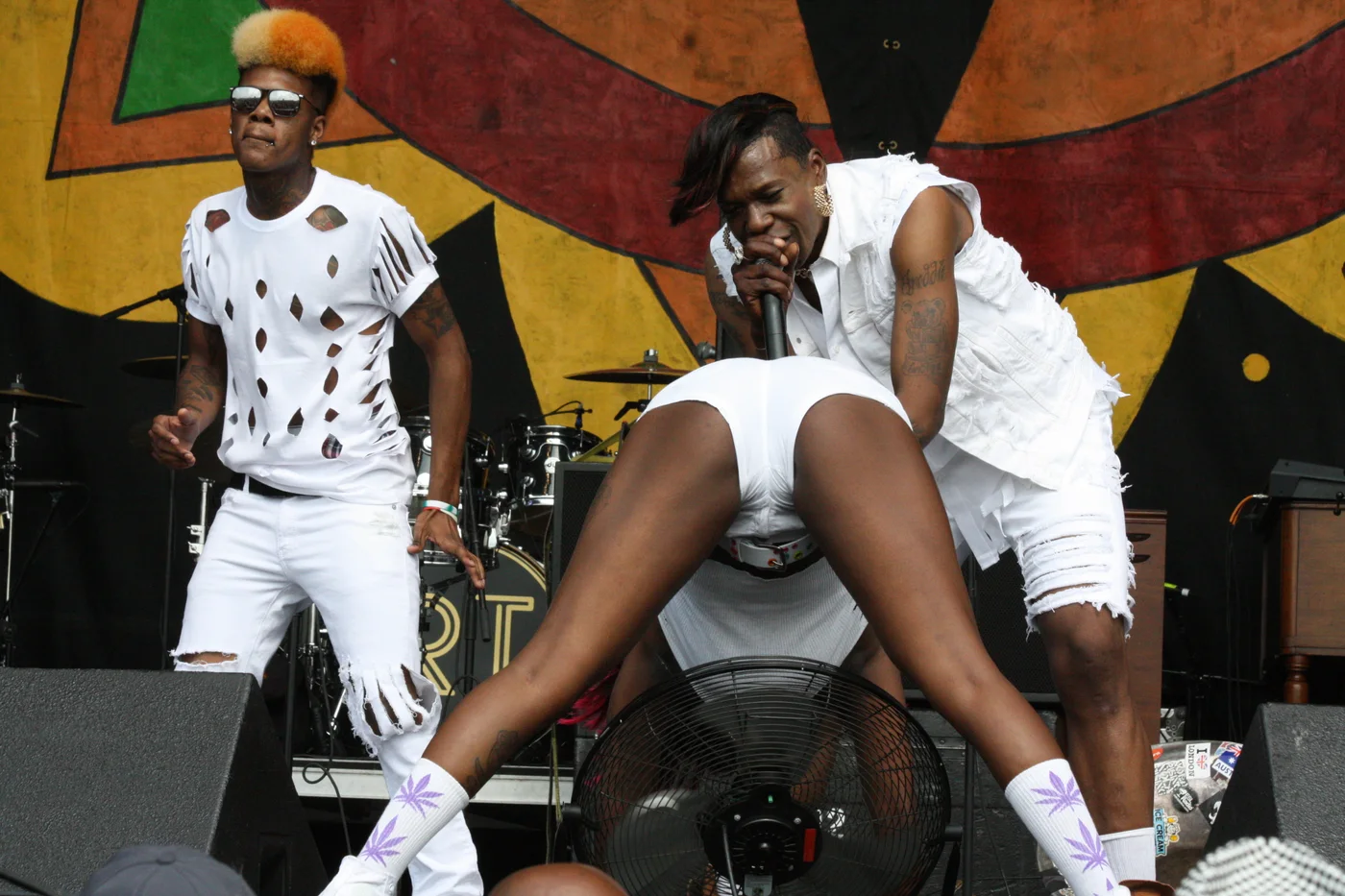
Learning should credit New Orleans bounce and Black creators. The movement’s pop-culture visibility raises questions of authorship, gender and cultural appropriation.
New Orleans is an important centre in twerk’s history and culture. Classes, competitions and pop performances have carried the movement into other dance scenes.
Hear a bounce track and notice how its repeated drum pattern invites a group response. A dancer can choose a small or wide movement. The artists’ music gives context to the rhythm taught in class.
02
Begin with a comfortable pelvis position and soft knees; increase the range as you gain control.
Repeat a small pelvic movement with the drum pulse, then change its timing when the vocal phrase changes.
In this four-minute Fuse clip, New Orleans performer Big Freedia demonstrates bounce movement. Watch the knee action and how the pelvic movement meets the beat.
Fuse · Big FreediaOpen video ↗Big Freedia’s account of New Orleans bounce connects these recordings to the local dance history. Listen for the repeated rhythm and how dancers respond to it.
04
Begin with pelvis position, knees, weight and bounce rhythm. Increase the range gradually as you gain control. The teacher should offer back and knee adaptations and explain the New Orleans roots.
A recurring base is soft bent knees, weight through the balls of the feet, and active hip isolation.
A class may begin with stance, knee action and a small pelvic movement. Try it to a slower and faster drum pulse. Choose a position where you can breathe easily and a range that feels comfortable.
05
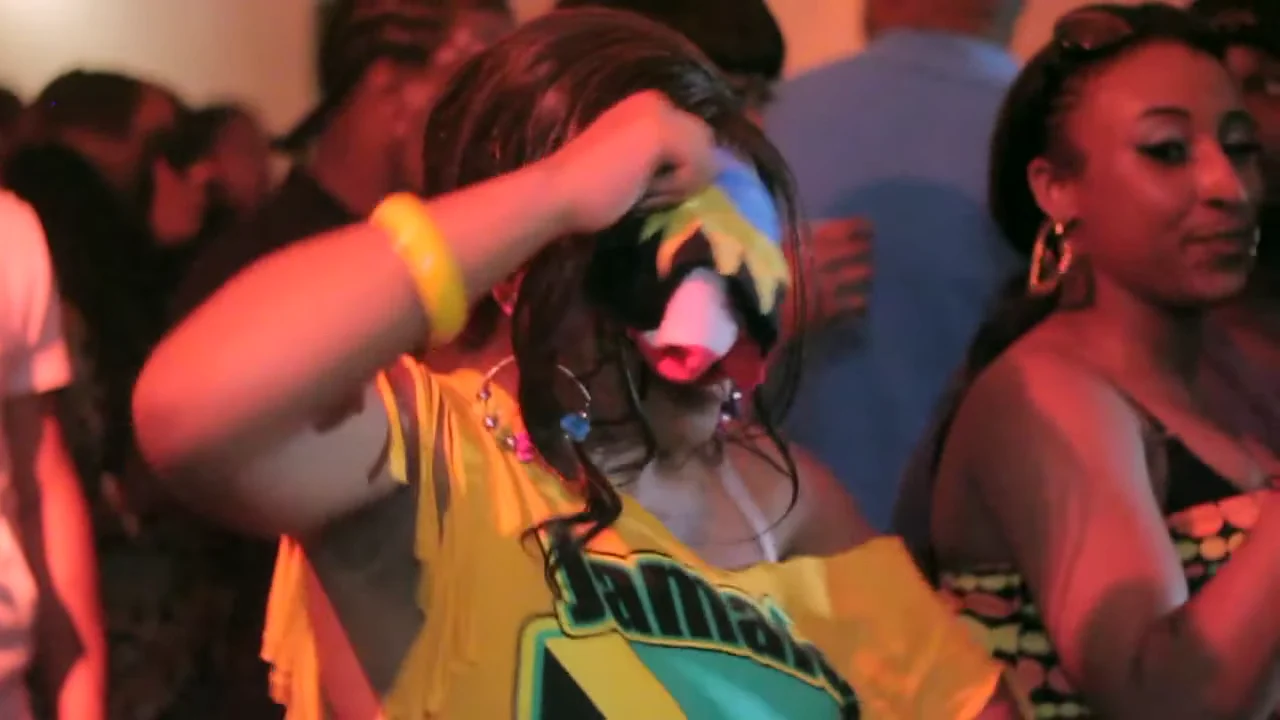
Dancehall is Jamaican music and a living culture of named steps. Twerk’s development is strongly tied to New Orleans bounce music and dance.
06
Our catalogue does not currently list where to learn Twerk in Kaunas.
Explore other styles →