
In this article
- What makes this dance interesting
- Movement to notice
- Music and rhythm
- How to begin
- Ways to explore this style
- What to consider
Discover your style
Two people dance to the same song. One catches a drum accent; another stretches a movement across the melody. A street-dance class can reveal music that used to sit in the background.
01
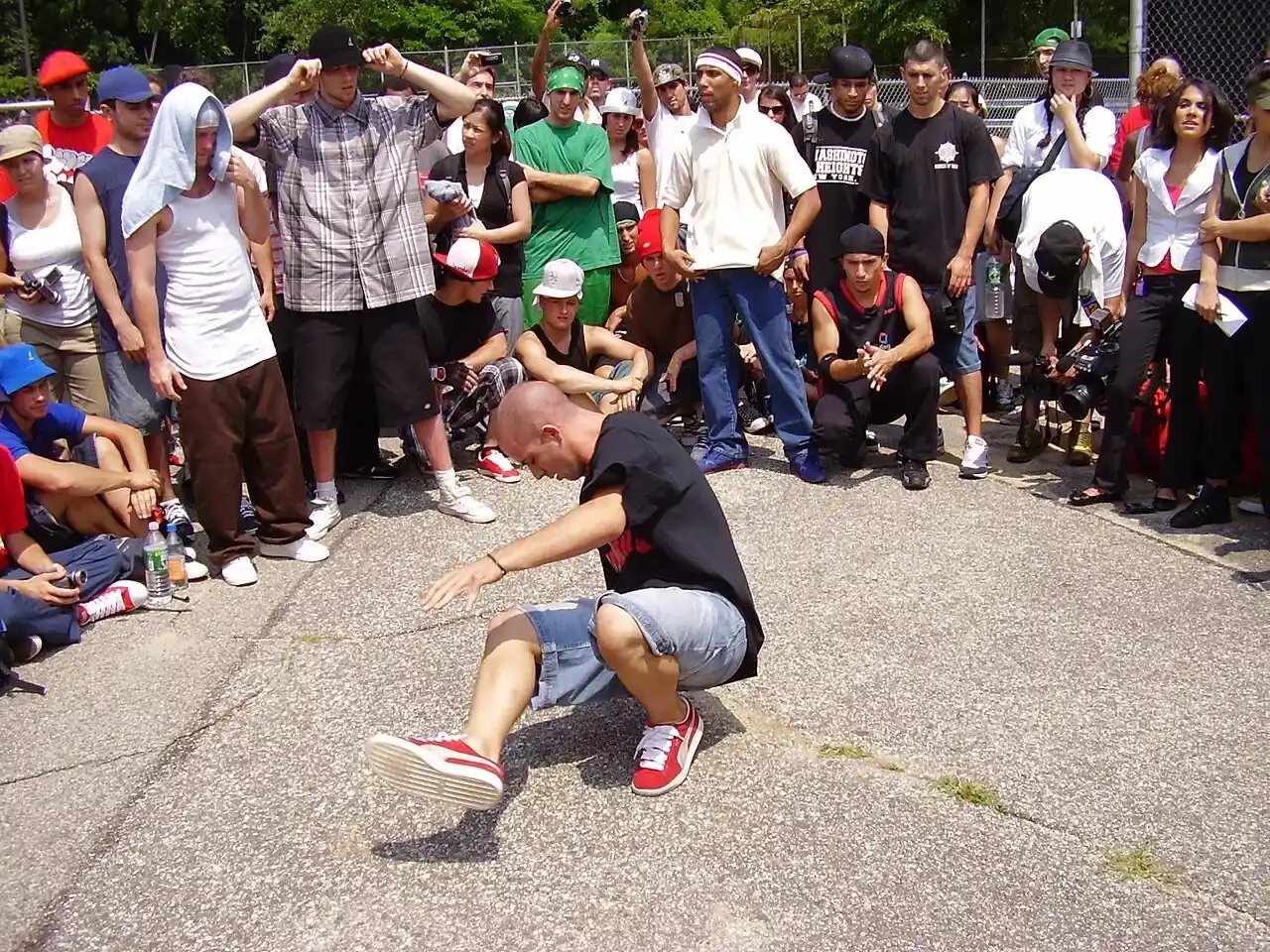
Breaking developed among African-American and Puerto Rican young people in the 1970s Bronx. Its standing steps, floorwork and held positions became a distinctive movement language.
California’s funk forms have other makers. Dance Consortium describes Boogaloo Sam developing movement in 1975–1976 and forming the group later known as the Electric Boogaloos in 1977.
Don Campbell’s legacy site connects locking with his movement and each dancer’s personality. Learning means understanding foundations while finding your own way to respond to the music.
A dance circle can be a place to share one short idea. You need not perform a complicated sequence on your first evening. Ask how the group introduces freestyle and whether you can begin with a partner or smaller group.
A Library of Congress event with Urban Artistry presented one-on-one battles across different forms. These dances also live through meetings and responses beyond the studio.
02
Breaking, locking and house have different foundations and music. Look for the named dance in the class description.
In Fabbreezy’s lesson, one body part moves on its own and a sharp accent answers the music. This is one Hip-Hop freestyle example.
Fabbreezy introduces Hip-Hop freestyle. Follow one body part and its accent in the music.
Red Bull Dance · FabbreezyOpen the original source ↗Hear different generations of dancers in the VOA documentary.
Voice of America · Vanessa JohnstonOpen video ↗03
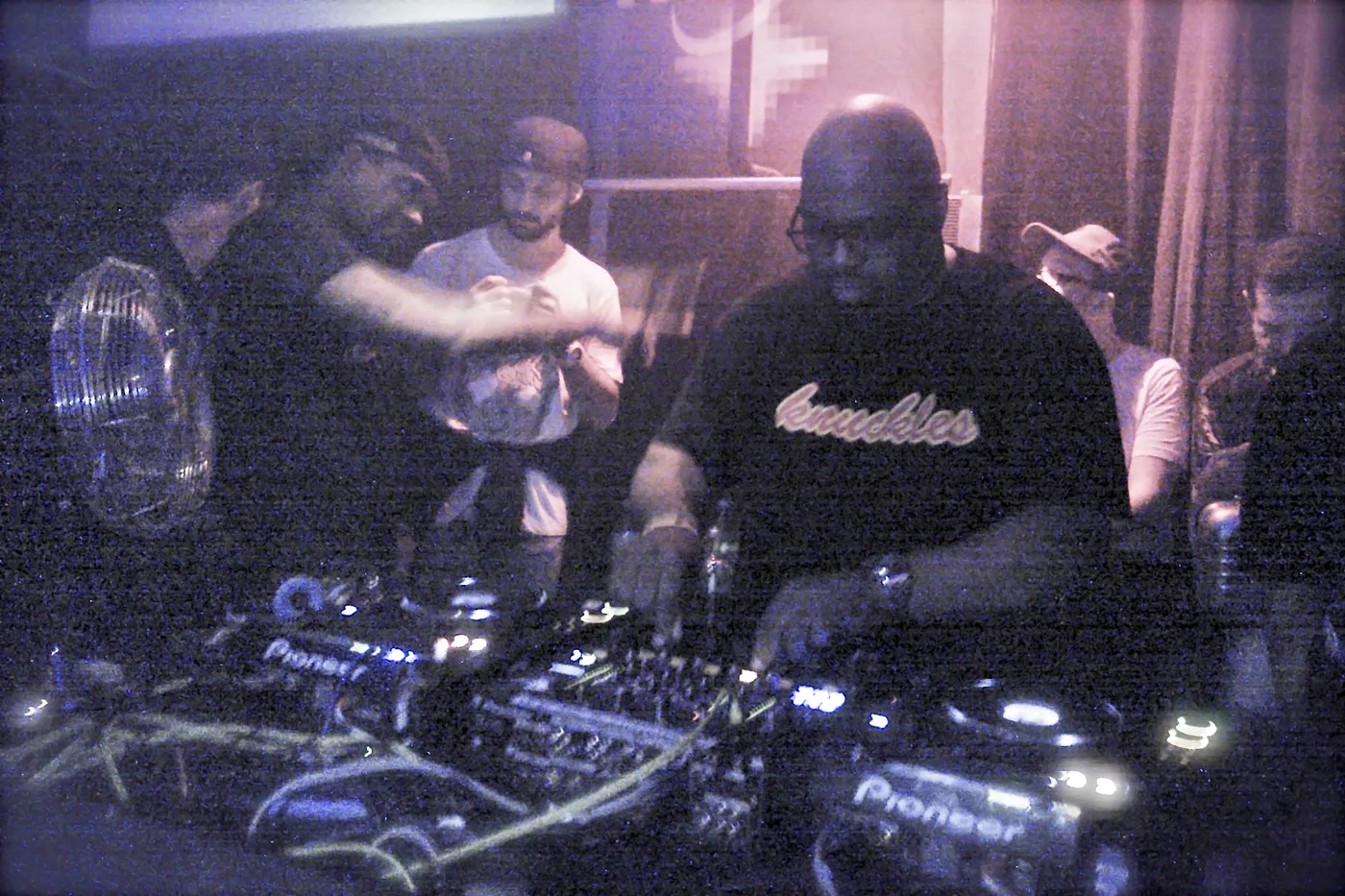
Start with two named recordings. The Lockers’ history identifies Don Campbell’s 1972 song The Campbellock. Chip E’s interview introduces It’s House and Time To Jack from Jack Trax. Find the pulse first, then choose an accent you would like to answer with a movement.
04
Start with a short step, its rhythm and a few repeats. Notice whether the teacher explains how it fits the sound. If you are only trying to keep up, ask to practise a smaller passage.
One teacher demonstrates more; another often stops to explain. Notice whether they see a quiet newcomer and allow for different experience. A fine performance cannot tell you how learning with that dancer will feel.
Two street-dance classes may offer different pleasures: learning a routine or finding your own response to music. During a trial, notice the time given to foundations, repetition and independent choices. Choose the experience you want to learn now.
05
WDSF names toprock, footwork, power moves and freezes. A beginner class can start with standing steps and build toward floorwork at a manageable pace.
Locking combines loose groove with a clear stop. Don Campbell’s legacy account emphasises personality and connection to music. Watch how a dancer returns to the groove after a lock.
In house dance, a torso pulse called the jack works with footwork. Chip E’s interview introduces early Chicago music. Follow the repeating rhythm and notice how the feet change direction while the pulse continues.
ISTD’s teaching specification describes popping through brief muscle contraction and release. Watch the accent meet the sound; in locking, watch a held stop and the return to the groove.
Hip-Hop is a cultural field with a specific Bronx history and several practices. Street Dance is an even broader catalogue label that may include other club forms.
Breaking foundations and what to expect in class.
Locking movement, music and personality.
House pulse, footwork and club music.
06