In this article
- What makes this dance interesting
- Movement to notice
- Listen to the music
- How to begin
- Similar dances you may like
- What to consider
Discover your style
Reggaeton draws listeners with bass, vocals and dance rhythms. It grew through scenes in Panama and Puerto Rico where Spanish-language reggae, dancehall and hip-hop met. Dembow is an important part of that history; newer tracks use other rhythms too.
01
Reggaeton history crosses Panama and Puerto Rico. Spanish-language reggae, Jamaican dancehall, hip-hop, and local underground tapes formed the field later known worldwide as reggaeton.
Global artists brought reggaeton into the centre of pop. Compare the percussion, bass and vocals in older and newer recordings to hear changes in sound and production.
Smithsonian Folkways reggaeton lesson slides invites listeners to hear reggaeton beside other Latin music. Its history includes scenes in Panama and Puerto Rico, Jamaican dancehall influences and local artists. Hear those names alongside today's pop recordings.
Perreo is social club movement that needs clear mutual consent when danced closely. A solo class can teach its groove; explore the club culture through its music and community.
A teacher who names the music's history and dancehall influence gives more than a camera-ready combination. They help explain why the movement looks the way it does.
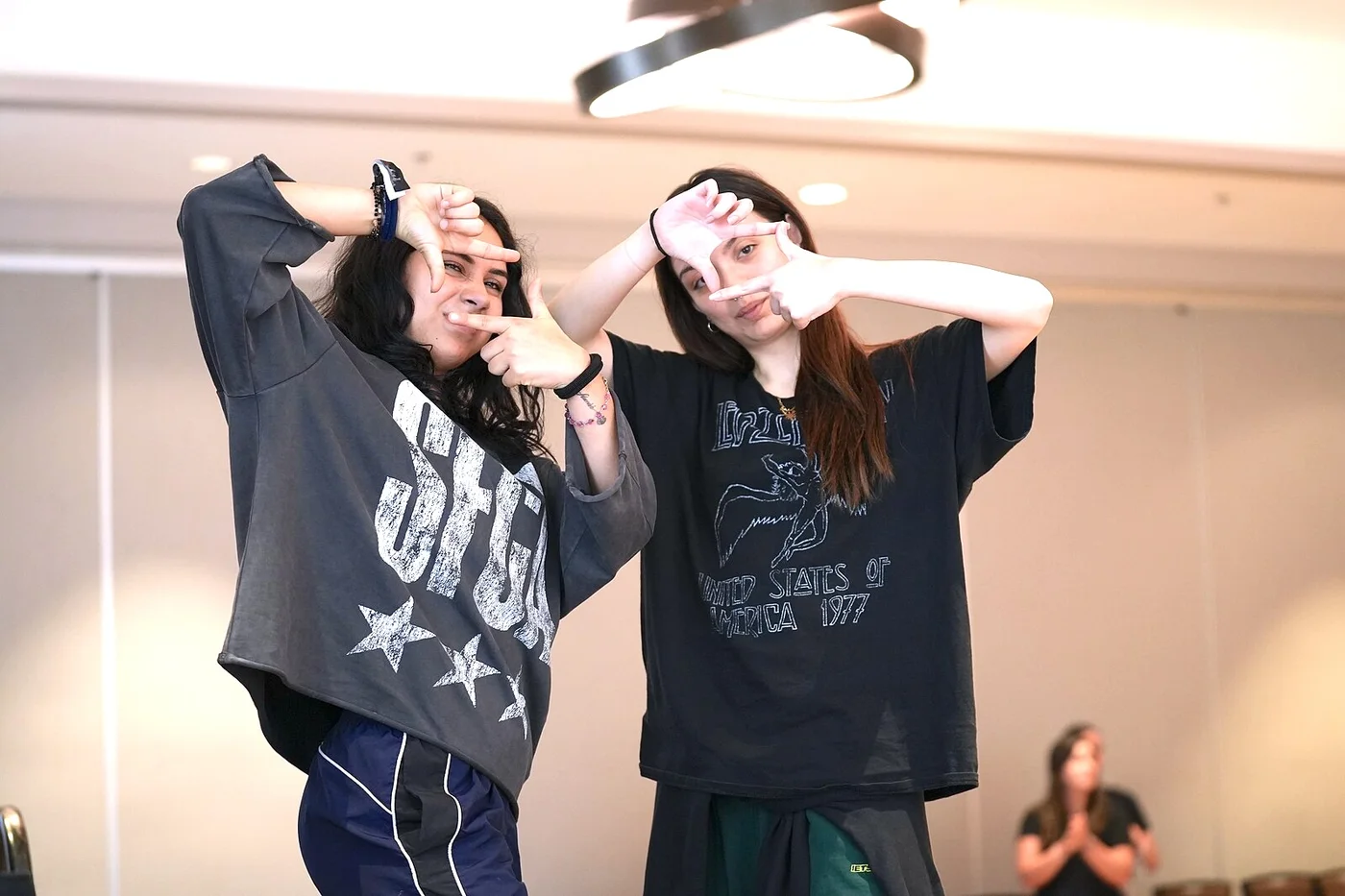
On a club floor, movement size depends on space and nearby dancers. Before dancing close to someone, make sure you both want that contact. A solo class lets you explore the same rhythm and find your own movement choices.
02
Hear the repeating drum pattern and let it guide weight; explore the music’s club context as well.
Shift weight between your feet through one musical phrase. Hear the bass and voice separately: their accents may suggest a different movement size from the repeating drum.
In this 2025 ProDancers Level 1 performance, watch how the group meets musical accents together and changes its movement size.
ProDancers StudioOpen video ↗Hear dembow in an earlier track, then compare a newer recording. Bass, drums and vocals can change how the dance feels even when both songs are called reggaeton.
Spotify may play a preview here. Use the Spotify icon to open the track.
04
A first class may begin with bounce and weight changes to the chosen track. Once you hear its main accent, a short movement becomes easier to join into a phrase.
A class should leave room for a comfortable range and your own expression. Bodies move differently; a smaller movement can also answer the rhythm clearly.
If the class track uses dembow, hear its rhythm before learning the routine. Start with weight changes and a small response to the drum; add the arms later. Check whether the class centres a solo routine, improvisation or social club movement.
05
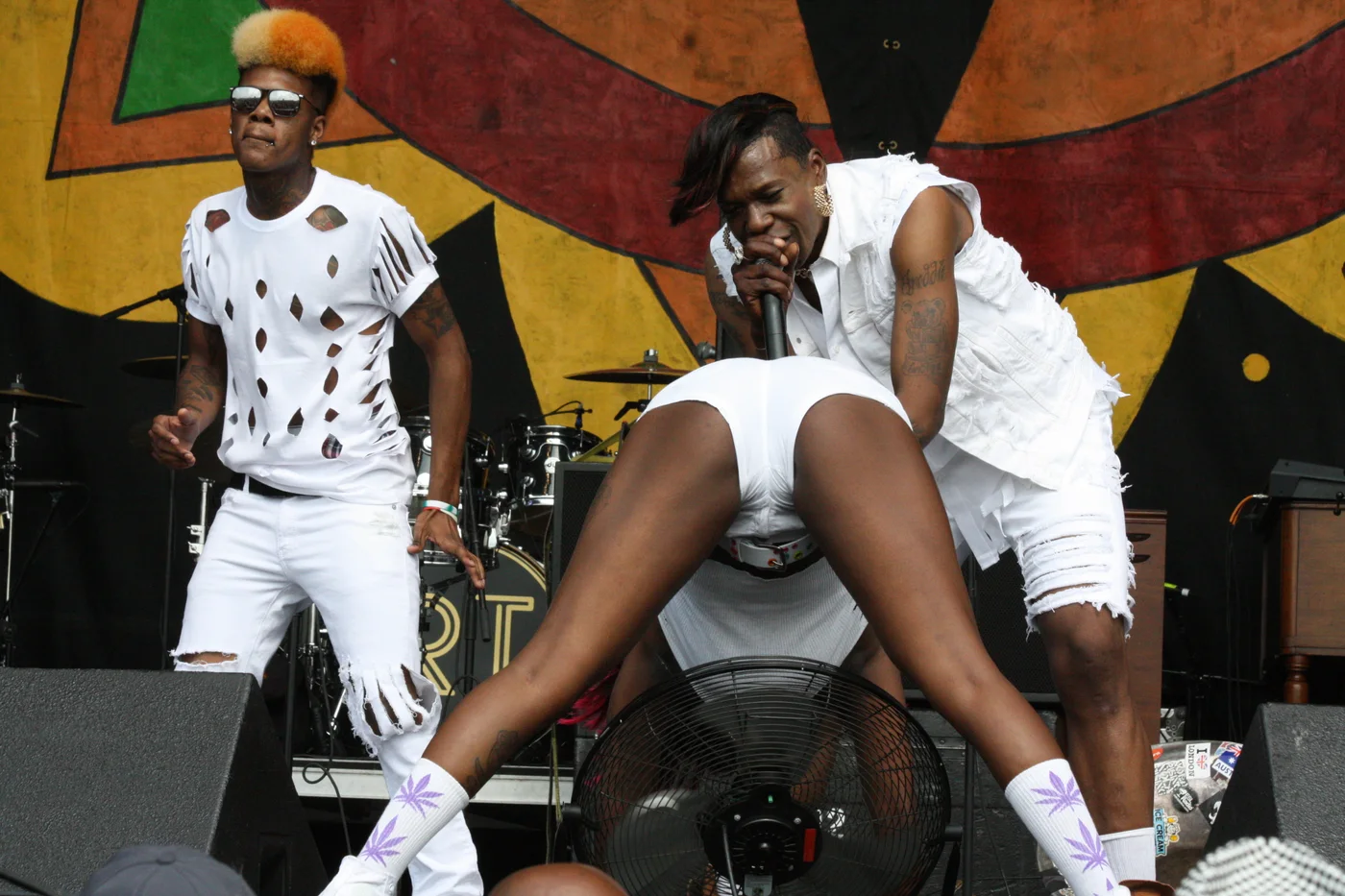
Dancehall is a Jamaican cultural and musical field. Reggaeton drew major ideas from it but developed in Spanish-speaking Panamanian and Puerto Rican contexts.
Latin choreography can combine several styles of music for one performance. A reggaeton class usually works with tracks from this genre; its rhythms and movement tasks vary with the music.
06
Our catalogue does not currently list where to learn Reggaeton in Kaunas.
Explore other styles →