In this article
- What makes this dance interesting
- Movement to notice
- Listen to the music
- How to begin
- Similar dances you may like
- What to consider
Discover your style
The body briefly jolts as if answering a drum, then settles again. A popping dancer uses a muscle accent to give music a texture: a small hit, an illusion or a pause you want to see once more.
01
Boogaloo Sam developed popping and boogaloo in California around 1975–76. His group, the Electric Boogaloos, helped carry the movement through stage and television.
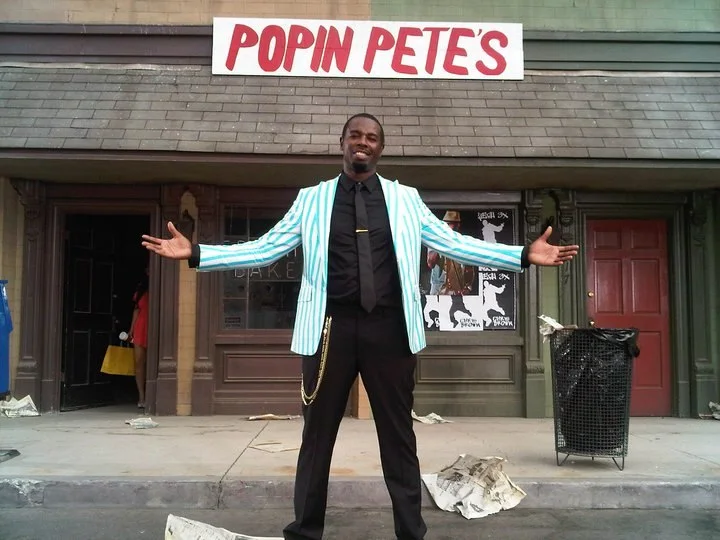
Popping history brings together related forms from several cities and dancers. A good class names their creators and differences.
The Dance Consortium profile of the Electric Boogaloos’ founders describes Boogaloo Sam and the group. In a lesson or performance, watch how a short body accent meets funk music.
In a circle, one dancer may answer a bass hit with a short body accent while another holds a pause before the next sound. Watch how battle dancers respond to the music and to each other.
Listen to Zapp, Parliament, James Brown, and Funkadelic to feel funk rhythm. Funk teaches where movement can sit, stretch, or explode; listening is part of technique.
Hear bass guitar, synthesiser and voice as different invitations. A short hit can answer the bass while a longer arm wave follows the synthesiser. Compare those choices in a circle: another dancer may hear the same song differently.
02
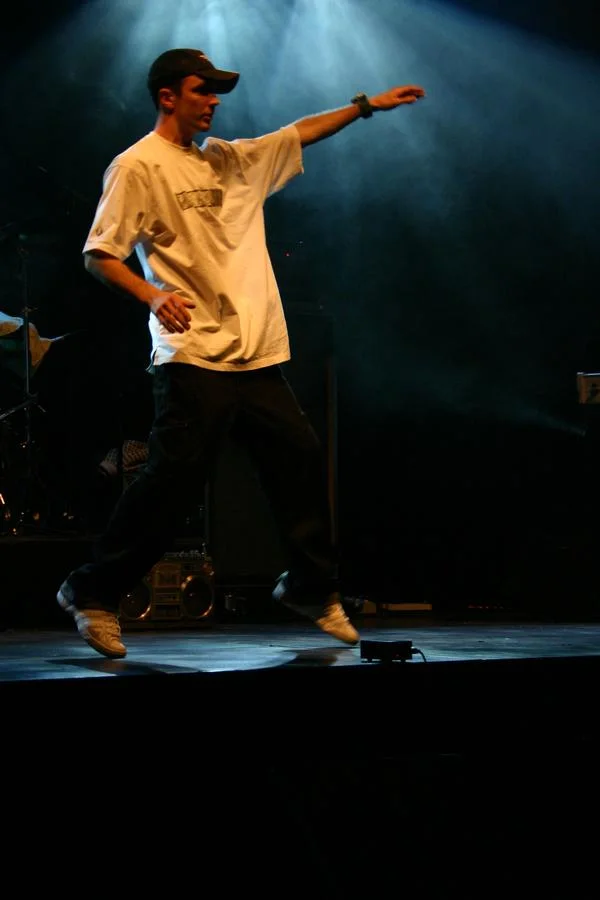
A brief muscle contraction has a clear release. Compare it with a smooth transition.
In Dey Dey’s lesson, a vibrating muscle action extends a single hit. Watch where the accent starts and ends.
In this final, hear how hits and releases meet the funk accents.
Groove 'N' Move FestivalOpen the original source ↗In this judge battle, compare isolations, pauses and responses to the DJ.
Summer Dance ForeverOpen the original source ↗In this Red Bull Dance lesson, Dey Dey shows arm and leg basics. Watch how a muscle contraction meets the beat.
Red Bull DanceOpen the original source ↗03
Find a short funk accent and the space after it. A hit and release can show both.
04
Start with a clean hit, isolations, and groove. Fresno, waving, or twist-o-flex makes more sense once the body understands tension, release, and a musical accent.
Slow drills, a mirror and a short recording can show how you control a movement. A teacher can demonstrate controlled tension and release and offer another movement if one feels uncomfortable.
Mark one beat with a brief tension-and-release accent. Leave space before the next sound; begin a wave there or stay still. This simple phrase lets you hear the difference between a rhythmic hit and a continuous illusion.
05
Popping builds hits, isolation, and illusion. Locking suddenly stops larger movement and uses points, wrist rolls, humour, and audience contact.
Breaking uses toprock, floor footwork, freezes, and power. Popping usually stays more upright and builds musical illusion through muscular control.
06
Our catalogue does not currently list where to learn Popping in Vilnius.
Explore other styles →