
In this article
- What makes this dance interesting
- Movement to notice
- Music and rhythm
- How to begin
- Similar dances you may like
- What to consider
Discover your style
Pop Dance turns a familiar song into movement: the chorus, pauses and accents become a short routine. Clear weight changes and a feel for the rhythm help you make the same routine your own.
01
Pop Dance is a broad class label. Choreography may draw from pop videos, concert performance or a teacher’s own work. K-pop is one of the approaches within this broader category.
Pop Dance is a studio-class name that can bring together music-video, concert and teacher-made choreography. The Library of Congress K-pop guide follows one modern pop-music path; other songs bring different makers and stage histories.
Pop Dance can bring together several movement forms. The class music and description help you understand the teacher’s approach.
Compare an artist's original video with the class version. Which detail stayed recognisable, and which changed so the group could dance together? Students can then see the choreographer's choices and make their own reply to the song.
02
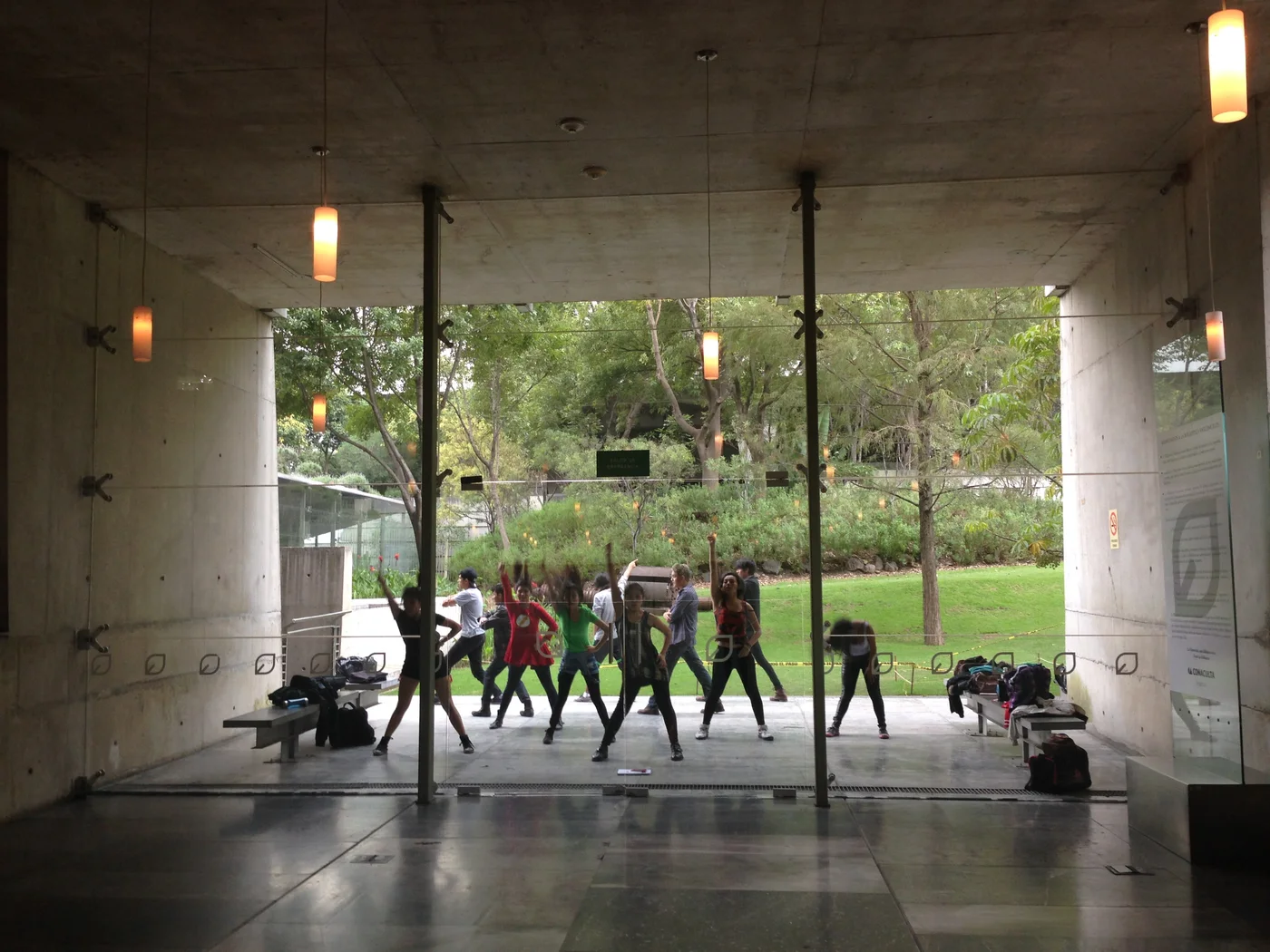
A short chorus move returns with the song. A change in accent can give the same routine a different feel.
A brief pause before a strong sound can make a chorus recognisable even with simple steps. Compare it with movement that never stops.
Watch one K-pop group choreography as the performers change formations and timing.
BANGTANTVOpen video ↗03
A familiar chorus helps you feel the song’s structure. Listen to the quieter bar before it too: it can cue a pause, a change of direction or the start of another move.
04
Start with a familiar song and a short phrase. The teacher can demonstrate weight changes, rhythmic accents and movement dynamics, then bring them together in a routine.
If the whole chorus moves too fast, a shorter phrase or slower playback can make each step clearer. The song's usual pace becomes easier once you know the sequence.
Choose a familiar song and learn four movements from one phrase. The teacher can show where weight changes, where to pause and when a look can underline a lyric. Repeat without music, then replay the track and feel the difference.
05
Pop Dance may teach broader movement to pop music. Pop Choreography more often builds one repeatable routine for a song or filming.
06