
In this article
- What this class label means
- Movement to notice
- Music and rhythm
- How to begin
- Similar dances you may like
- What to consider
Discover your style
Pop Choreography gives quick pleasure: a favourite chorus becomes a routine you can dance with a group. Good teaching still breaks down weight, direction, and groove.
01
Pop Choreography builds a routine to pop music. A class may teach an existing routine or one made by the teacher. Its description should say what you will learn and who made it.
Pop Choreography is a studio format shaped by the chosen artist and song. Choreographers and performance teams make video routines; a studio routine may be a new teacher interpretation. When learning a known piece, name the song and its makers.
Pop choreography travels through videos, fan covers and studio classes. Compare an original performance with dancers’ versions: how do the gestures, formations and connection with the song change?
Fan dance versions show how one chorus travels among people. Compare two versions: where do they keep the song's accents, and where do they change movement size or direction? Try those choices in class while keeping the melody recognisable.
If you learn a K-pop piece, the Library of Congress timeline places it in a wider musical history. NDEO’s choreography course helps explain how a chorus phrase can be arranged for a group.
02
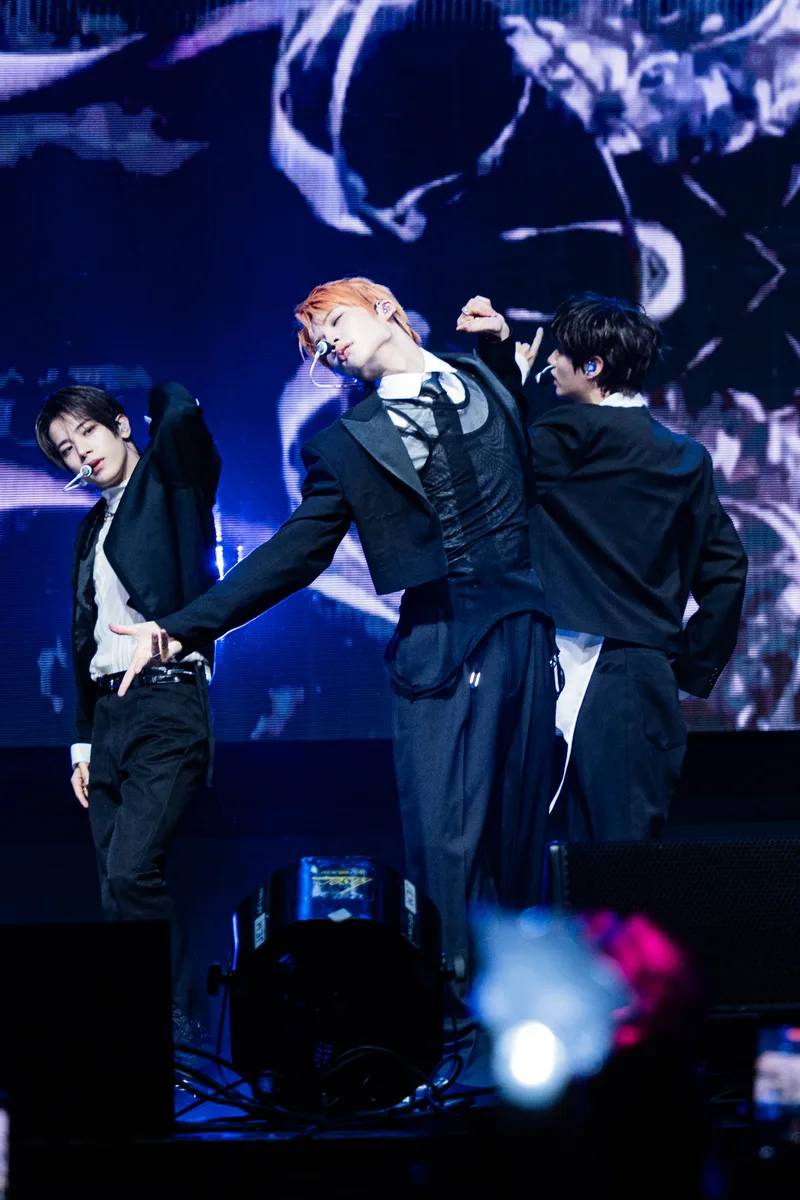
One chorus gives time to find an accent and your own delivery without pressure to film.
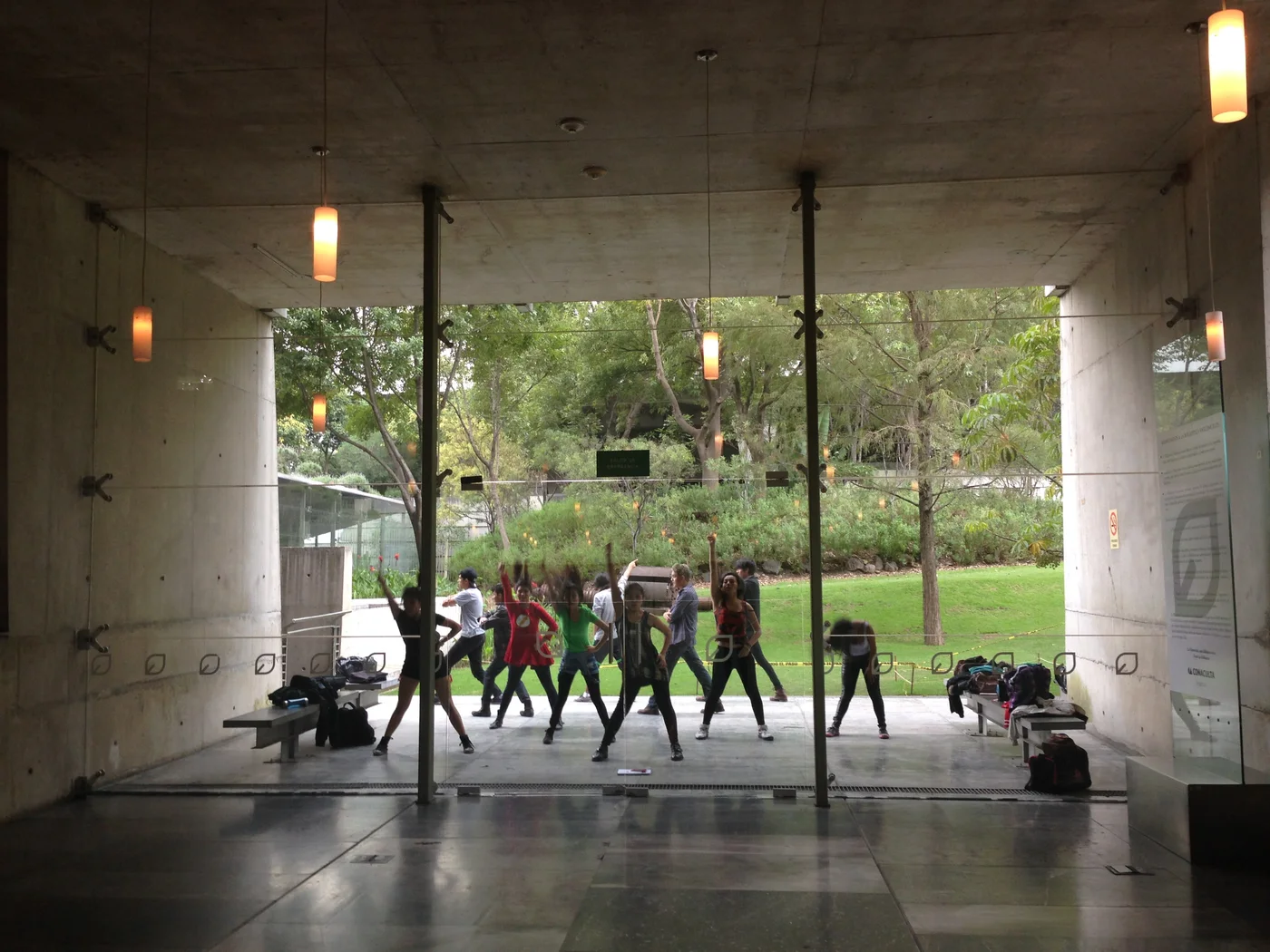
This is one K-pop group practice example. Watch how dancers change places and keep shared timing.
BANGTANTVOpen video ↗03
A repeated pop chorus lets you learn timing. After a few passes, hear where the artist changes energy.
04
A first class often turns one part of a song into a short routine. A good pace leaves time to hear the accent, transfer weight, and repeat the sequence several times.
A repeated chorus lets you focus on one thing at a time: foot direction, arm movement or a pause. Once the sequence is familiar, the song’s usual pace becomes easier.
Listen to the chorus before class. On the first run, find the pause and strongest accent; add the detailed arm movements later. The class description may say whether you will learn a video version or a new routine.
05
Pop Choreography may use any artist and a teacher-made routine. K-pop cover more often aims to recreate one release's choreography recognisably.
06
Our catalogue does not currently list where to learn Pop Choreography in Gargždai.
Explore other styles →