In this article
- What makes this dance interesting
- Movement to notice
- Listen to the music
- How to begin
- Similar dances you may like
- What to consider
Discover your style
A song begins, one person offers a direction and another replies. A shared dance takes shape. Latin Partner Dance classes can introduce salsa, bachata or other rhythms: first hear which one draws you in.
01
This broad partner-class label covers distinct Caribbean and Latin American traditions. New York became an important salsa and mambo diaspora hub, but each dance has its own history.
This class label can cover several distinct dances. The UNESCO account of bachata leads to the Dominican Republic; the CentroPR description of Rhythm & Power describes how Puerto Rican and other migrant communities shaped salsa in New York. Look for the specific dance names in the class programme.
Partner classes join steps, musical listening and communication. Salsa, bachata and other dances use distinct rhythms and partner movement, so the dances named in a class description help you choose.
At a social for one of these dances, watch partners change the size of a figure to fit the floor. They may dance a familiar step with a new musical accent or pause. Both people shape that timing, so a newcomer benefits from listening to the music and to the other dancer.
02
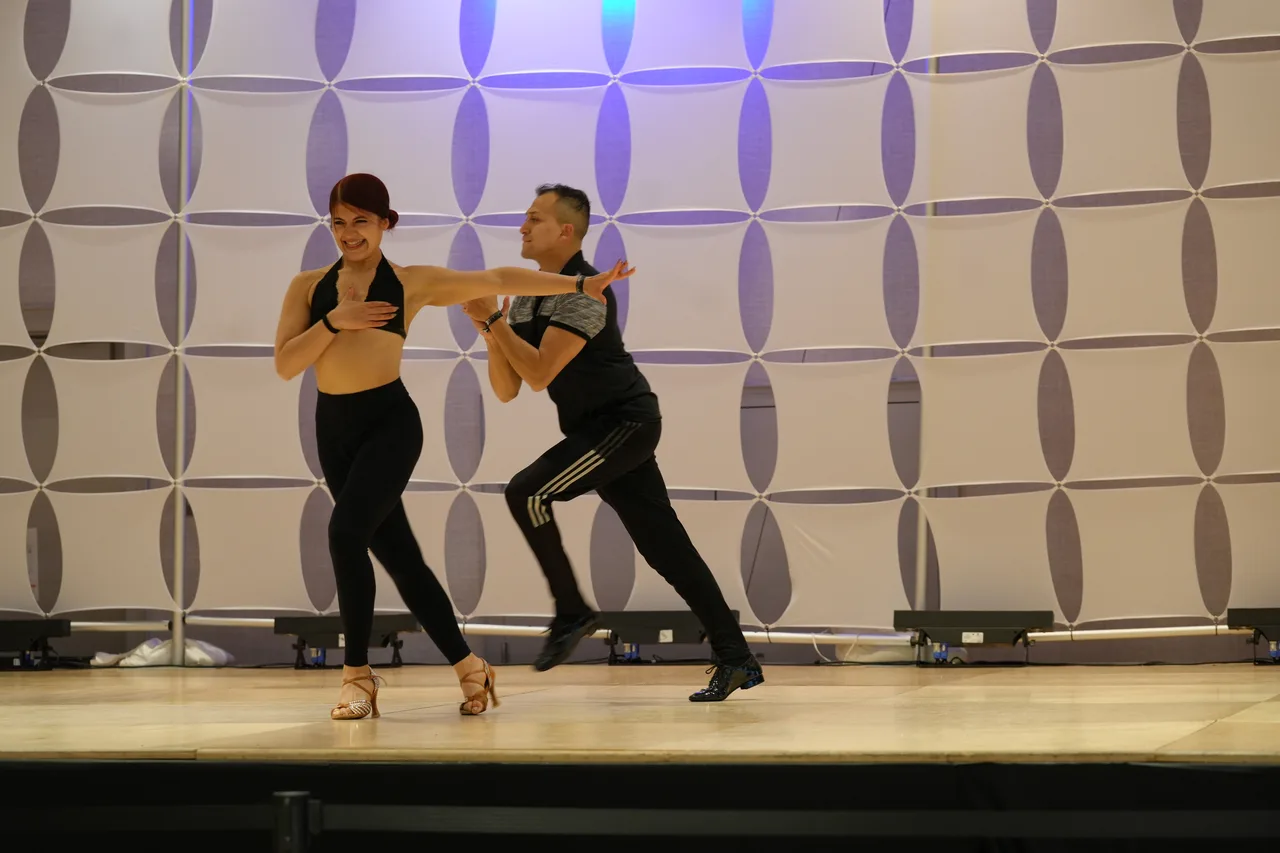
One small shared weight change communicates more than a strong pull of the arm.
A pair can repeat one basic step and pause at the same musical accent. When both hear the pause, they can change direction without a strong pull through the arms.
Salsa is one form of Latin partner dance. Watch the pairs keep shared timing in this federation final.
World DanceSport FederationOpen video ↗03
Several rhythms may appear in one class. Their names and audible accents help explain why the step and timing of the lead change.
04
A first partner-dance lesson often joins rhythm, weight transfer and a simple lead-follow exchange. The named dance and partner-rotation plan in the class description show what kind of lesson to expect.
Practise the basic step, footwork and body movement to music on your own.
A song gives a figure its timing. Bachata guitar and güira, or salsa percussion, offer different accents. Trying the same weight change alone and with a partner shows what the other person's response adds.
The choice of leading or following and the partner-rotation plan vary by group. Practising an invitation, a decline and a comfortable distance in class helps when you join a social dance.
05
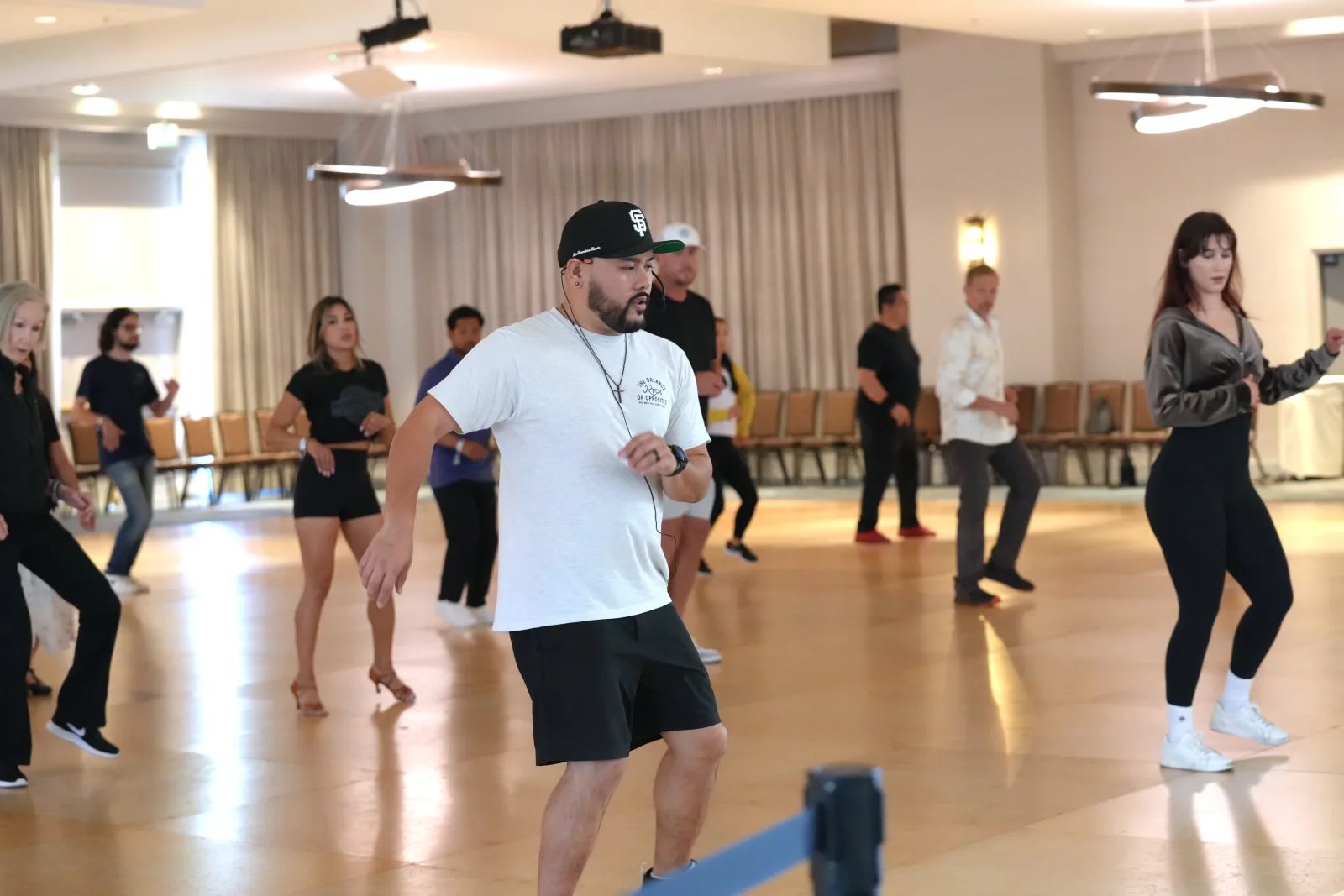
Solo Latino explores rhythms without a partner and often uses choreography. Latin Partner Dance first builds a two-person dialogue of timing, direction, and connection.
06
Our catalogue does not currently list where to learn Latin Partner Dance in Klaipėda.
Explore other styles →