In this article
- What this class label means
- Movement to notice
- Listen to the music
- How to begin
- Similar dances you may like
- What to consider
Discover your style
The chorus returns, and now you know how to answer it. In Latin Choreography, steps, arms and pauses build a phrase you can repeat with a group and feel differently each time.
01
This class builds choreography from Latin dance movements. The dances named in its description and its solo or partner format show which foundations the routine will use.
The class name describes a way of making a routine. A chosen song may carry salsa, bachata or competitive Latin accents, while the choreography itself is the teacher's work. Follow the history of the dance whose rhythm and movement the class selects.
A class may use salsa, bachata or other rhythms. Recognising the rhythm helps you see which movement comes from a named dance and which was created for the new routine.
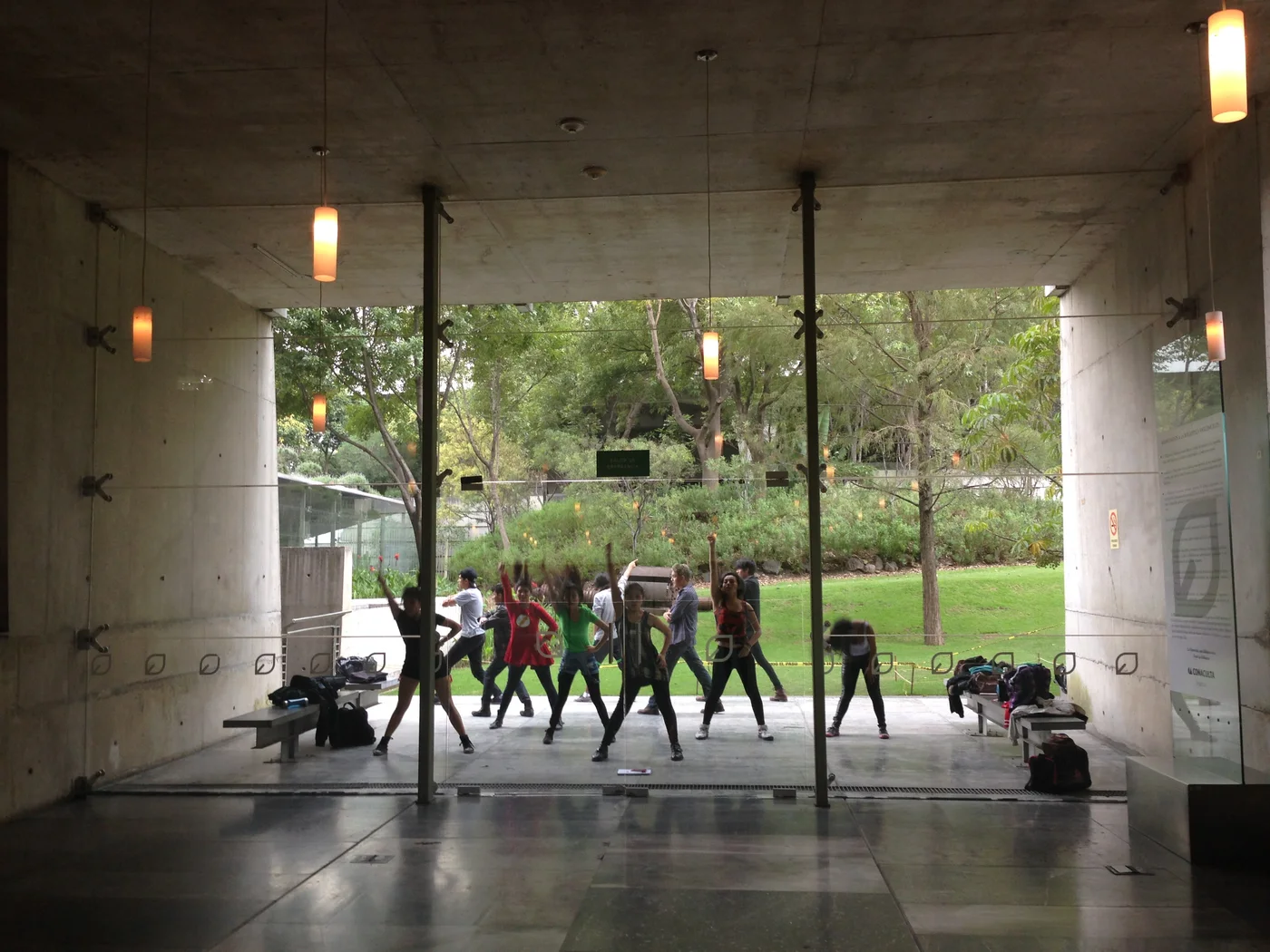
A stage group builds shared timing: each dancer knows when to enter, where to travel and whom to leave space for. Watch how a musical accent lines up with a change of direction. A strong routine lets the song's character come through even when the movement varies.
The NDEO choreography course describes a process for teaching students to create dances. If a class draws on samba or rumba, the WDSF competitive Latin list helps identify the named dance; the group description shows whether you will learn that dance or a new stage routine.
02
Find where the musical phrase ends and let the last movement finish it.
In a prepared routine, dancers can keep the same rhythm while changing places on stage. Watch when the group moves into a new arrangement in the WDSF formation example.
Watch a Latin formation shift positions and rhythmic accents in this WDSF final.
World DanceSport FederationOpen the original source ↗03
Choose one detail in the song: a percussion accent, a guitar phrase or a pause in the voice. Notice how the routine brings it out through a step, an arm movement or a still moment.
04
Expect a short phrase repeated slowly and with music. A useful class explains where its rhythm and body action come from and names the dance tradition being used.
Learn short sequences of steps, sideways weight changes, arm positions and turns. Repeat them to music to feel where each movement belongs in the phrase.
A short musical phrase lets you learn a step, an arm path and an ending shape separately. Naming the dance tradition helps you see which movements come from it and which were made for this routine.
A routine for a stage, camera or personal enjoyment can differ in pace and repetition. In a longer piece, a clear opening and ending help you keep your place while the group learns the middle over several lessons.
05
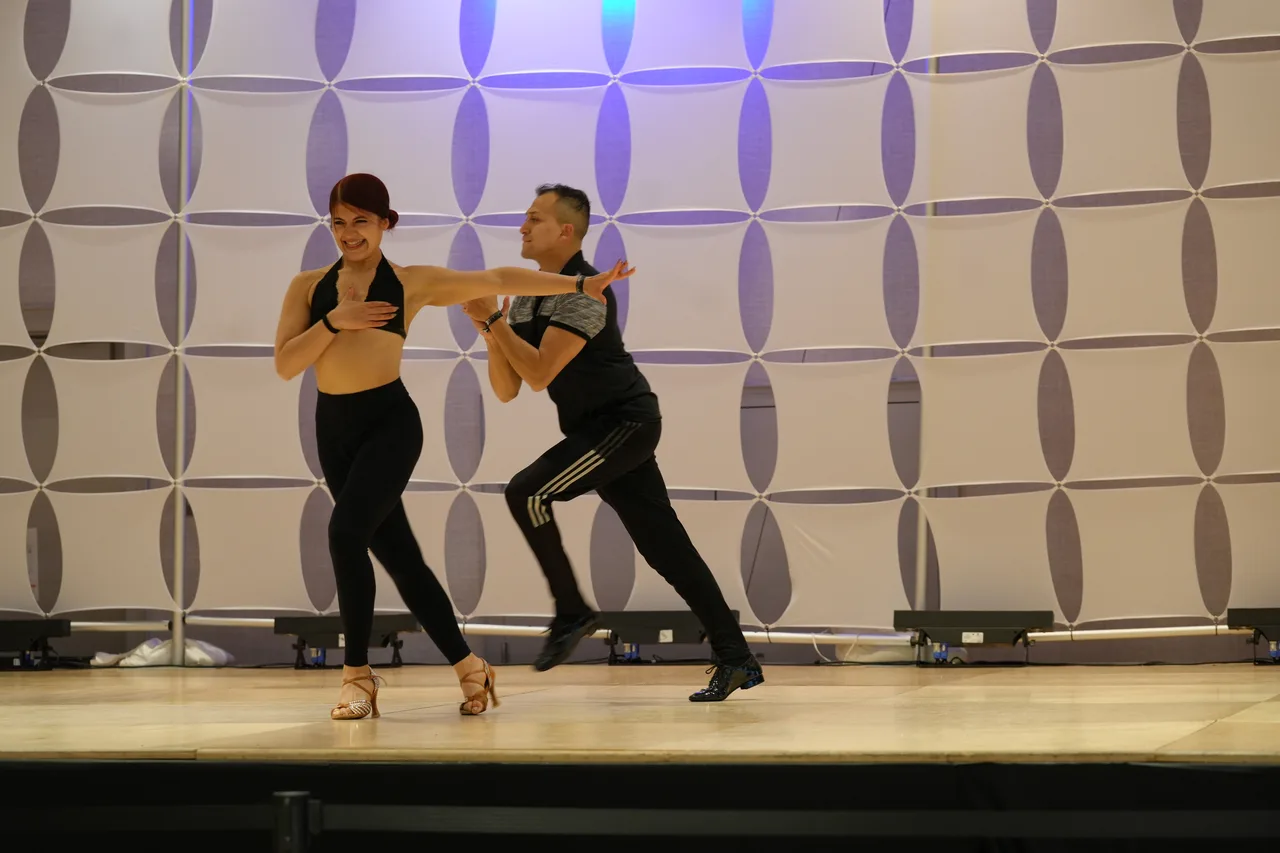
Both build routines, but Latin Choreography should retain the timing and body logic of named Latin rhythms. Pop Choreography follows the chosen song's aesthetic.
06
Our catalogue does not currently list where to learn Latino Choreo in Kaunas.
Explore other styles →