In this article
- Your first class
- Origins and community
- Movement to notice
- Listen to the music
- Choosing a class
- Approaches and next steps
Discover your style
K-pop choreography brings dancers together through precise timing, changing formations and memorable chorus movement. In class, the teacher breaks down a song's phrases before the group joins them into a performance.
01
Start with the chorus, then add other parts of the song. Slow and mirrored video helps, but a teacher should explain weight, direction, and groove that a live lesson helps you feel.
Filming can motivate; leave time for learning and correction. Ask how much time goes to learning, correction, and several attempts without the camera.
Choose one chorus phrase and watch the original performance before repeating it. Notice where each dancer changes place and when the camera frames the key gesture. The teacher can separate foot path, weight and arm timing before bringing the whole group together.
02
Seo Taiji and Boys' 1992 performance of ‘I Know’ is often treated as a modern K-pop turning point. It joined New Jack Swing, rock, hip-hop, rap, and b-boying with Korea's pop industry.
Korean popular music is older than the idol system. Each generation remakes global sounds for local audiences.
The Library of Congress K-pop timeline traces Korean popular music across generations. A class routine belongs to a particular song, performers and creative team; name them when sharing a cover.
Seoul is a production and event centre, while cover teams built a global learning network. Regional rounds and a Seoul final show one choreography taking on different local faces.
Choose a song you like and begin with one chorus. Slow the original dance video, learn the formation changes and, if you wish, try the phrase with other fans. Ask the group how it credits the original choreographer.
In a cover group, dancers may switch positions as they learn several performers' parts. Try a phrase from the front and side so you understand the full picture. Ask whether filming is optional and how the group shares the finished recording.
03
Compare the original performance with a labelled tutorial so left and right stay clear.
Watch BTS change formations and share timing in their official practice video.
BANGTANTVOpen the original source ↗04
Start a K-pop cover with one chorus. Compare the original performance and music video: camera work changes what you see.
05
06
Pop Choreography may use any pop artist and an original teacher routine. A K-pop cover more often aims to recreate the choreography of a specific release recognisably.
Commercial Dance teaches broader camera, stage, and artist skills. K-pop practice adds fandom, group-specific aesthetics, and a cover community.
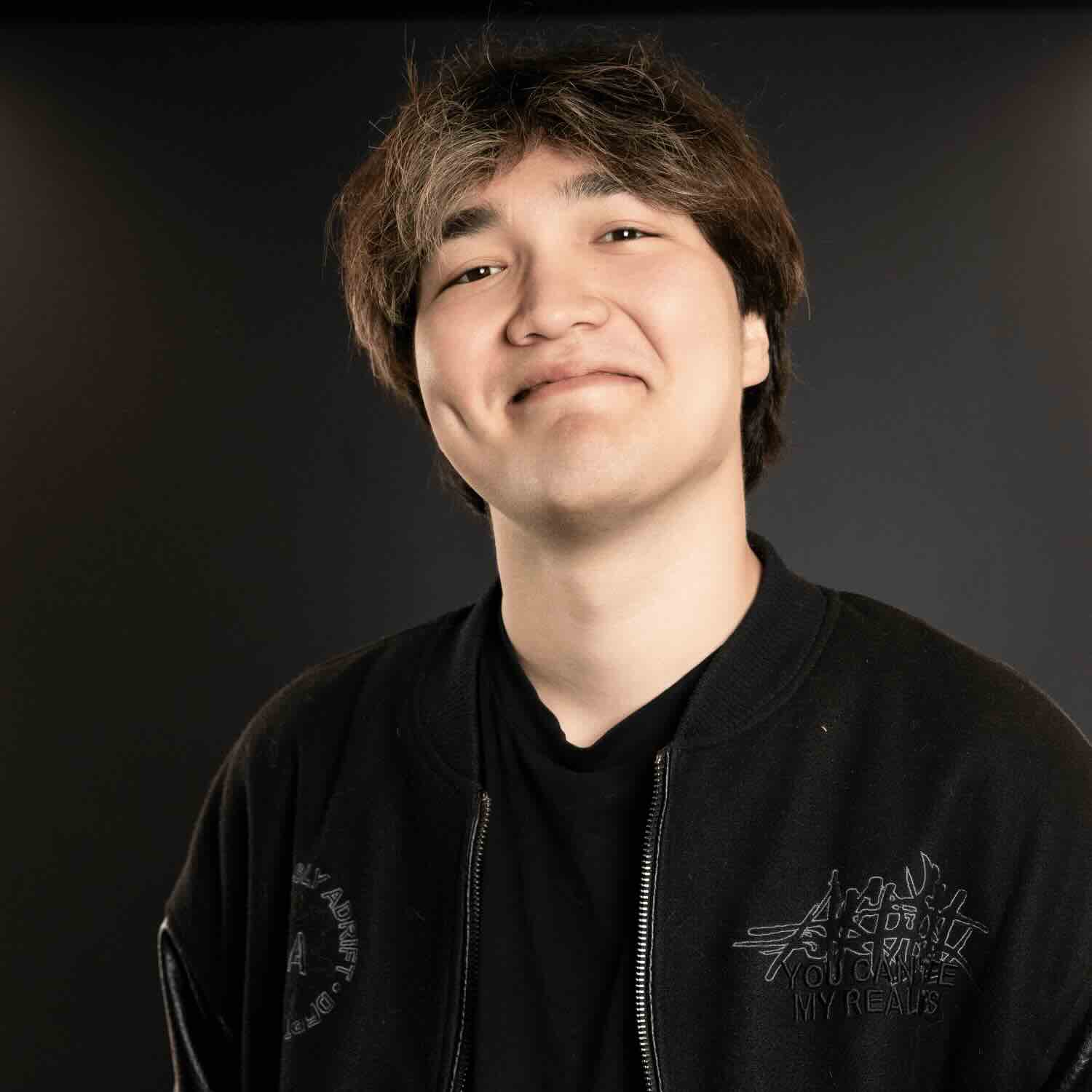
Teaches in: Vilnius
Beka teaches K-pop. His profile lists seven years of dance experience and ten years of martial arts experience.
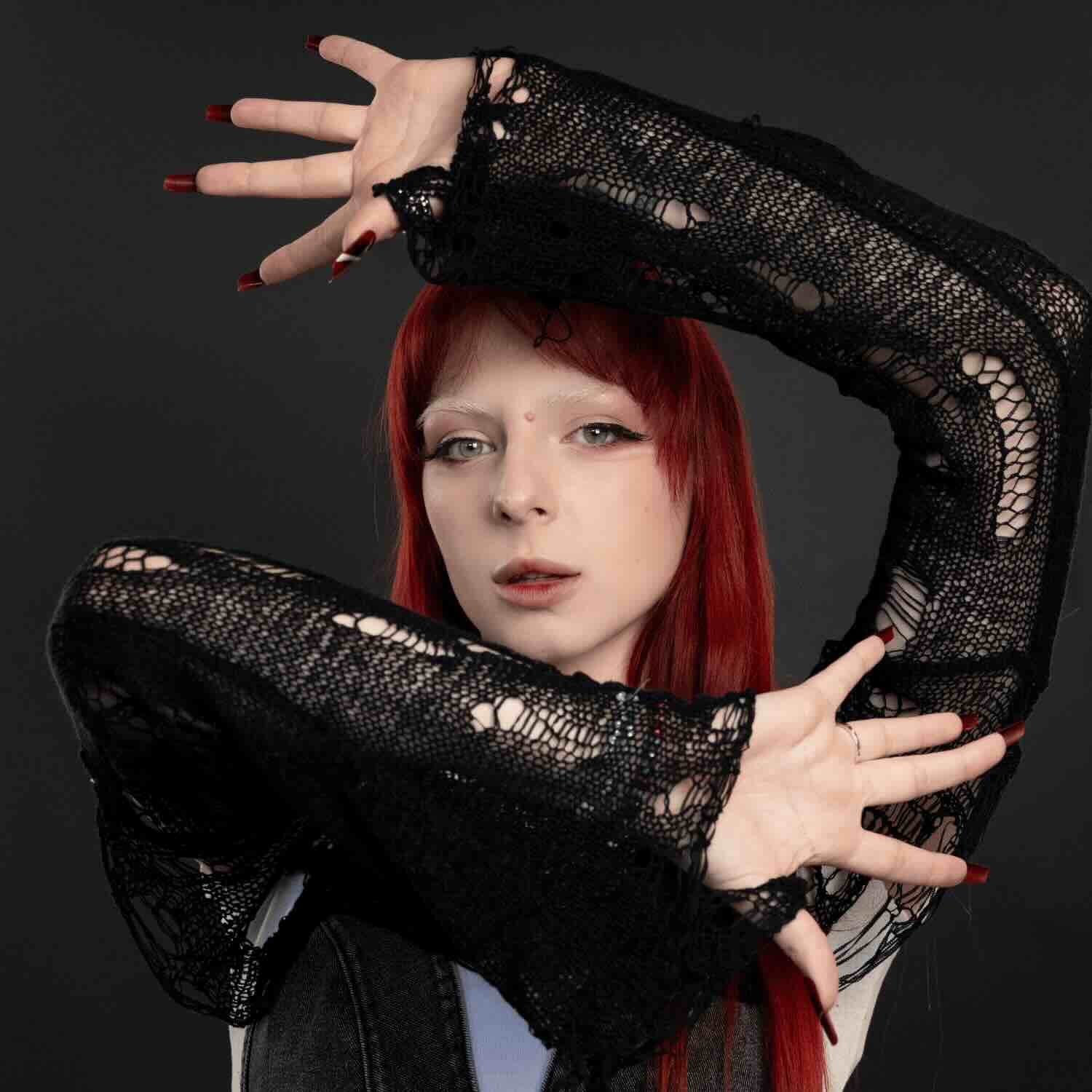
Teaches in: Vilnius
Kate has worked as a choreographer since 2017. She has a bachelor’s degree in choreography and experience in stage and international projects.
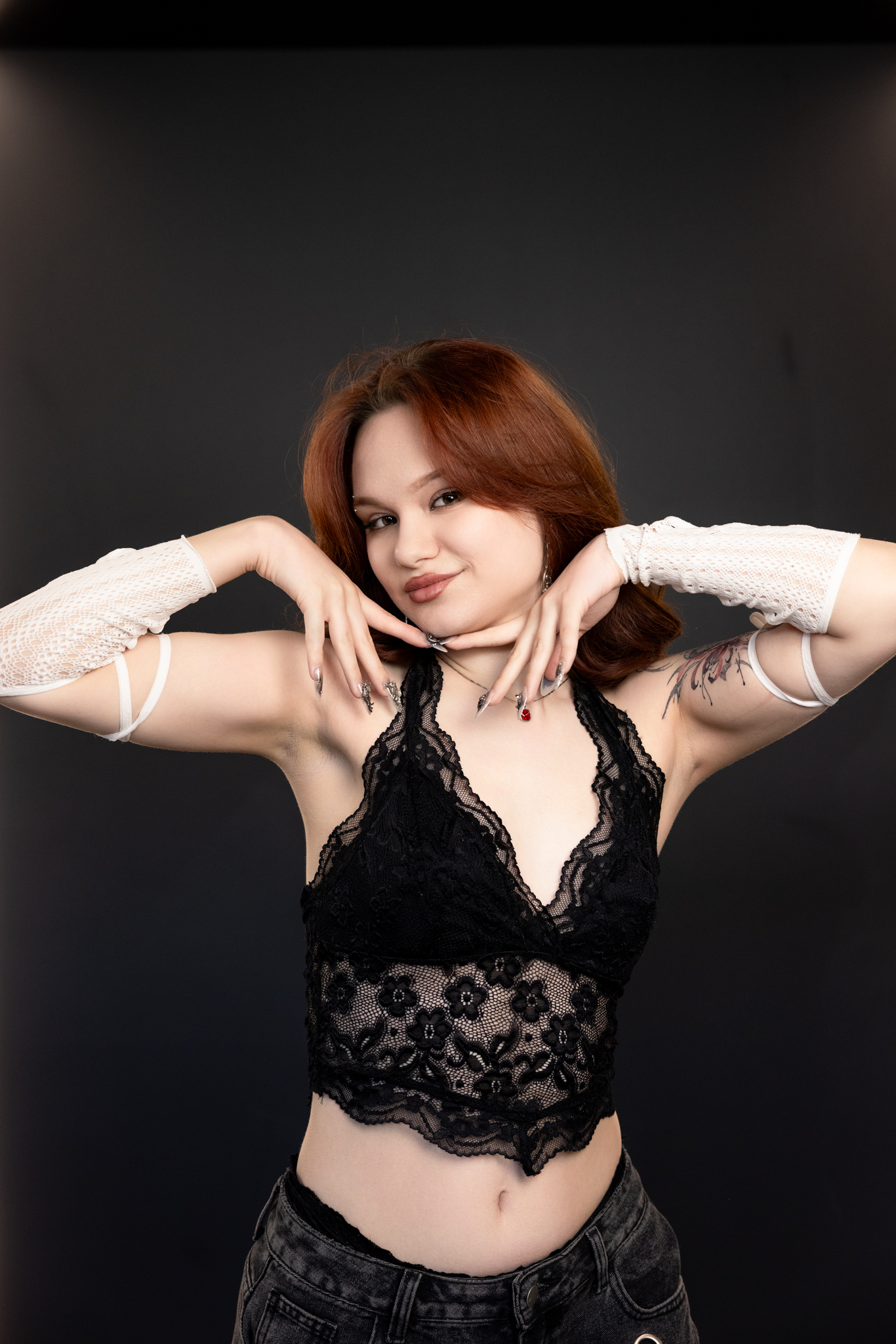
Teaches in: Vilnius
Polina has danced since the age of six. She has won dance competitions and taken part in international performances.

Teaches in: Vilnius
Diana is a qualified dance educator, dancer and K-Pop teacher.