
In this article
- What makes this dance interesting
- Movement to notice
- Music and rhythm
- How to begin
- Similar dances you may like
- What to consider
Discover your style
Does a chorus bring its dance move straight to mind? A K-pop class lets you learn how a memorable gesture becomes a group performance, with music, changing positions and your own expression.
01
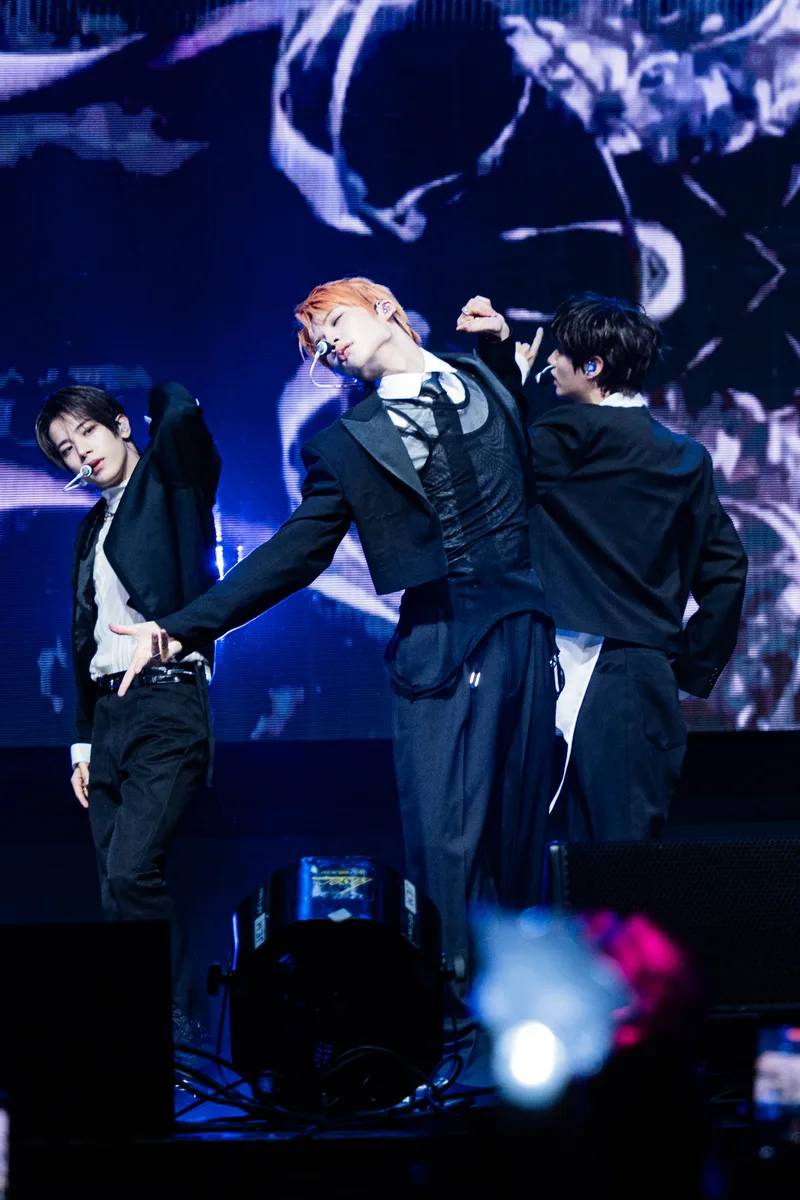
The Library of Congress timeline describes Seo Taiji and Boys’ emergence in 1992–1996 as a cultural turning point in Korean popular music. In class, learn the performers and choreographers behind the song you dance to.
Korean popular music is older than the idol system. Each generation remakes global sounds for local audiences.
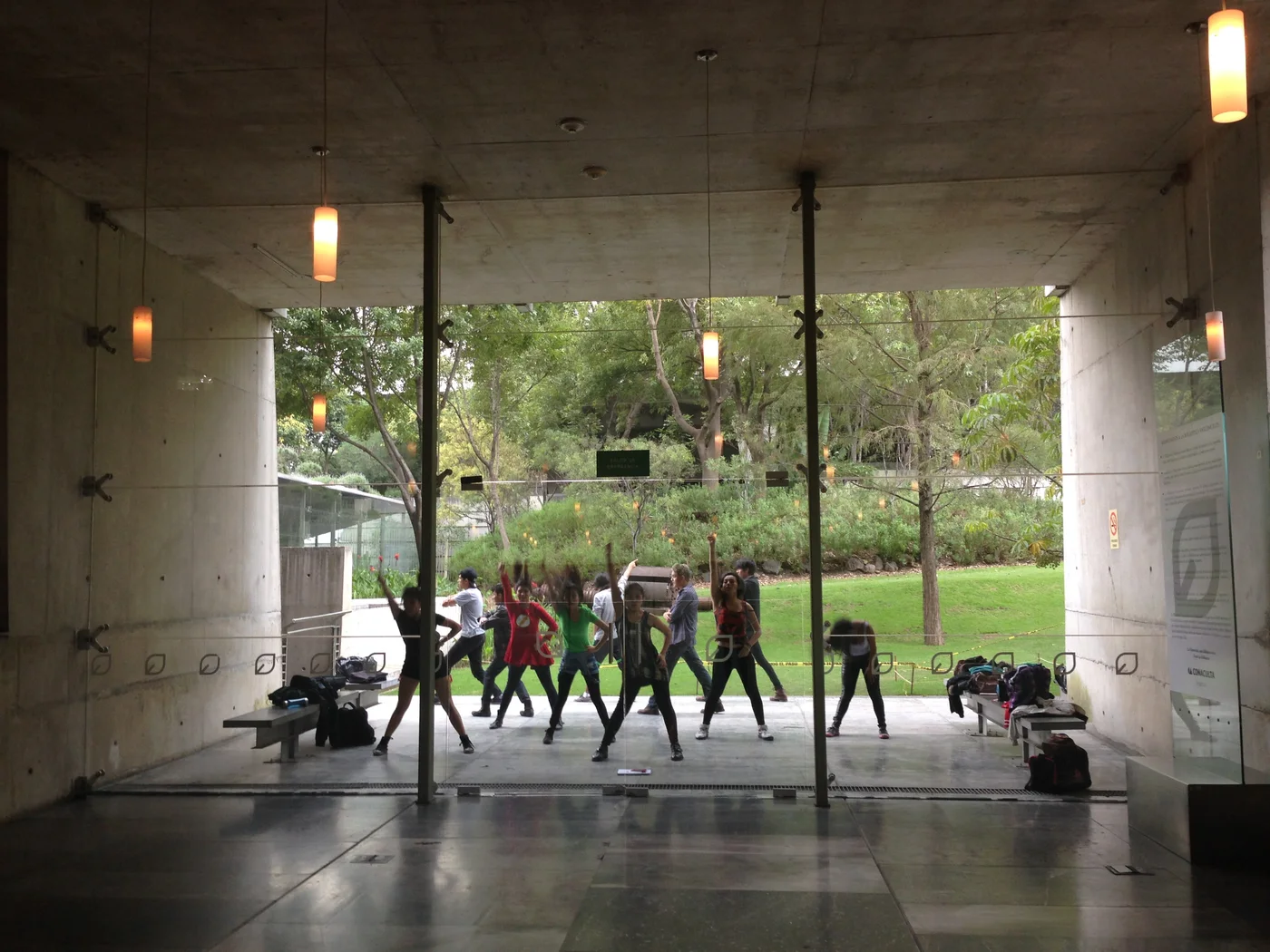
You can learn a dance cover alone or with a team. In a group, each dancer learns a performer’s movements and place in the routine. Changing positions together recreates the shape of the original performance.
In a cover group, dancers may switch positions as they learn several performers’ parts. Try a phrase from the front and side to see the whole formation. Before joining a filmed performance, check how the group will share the recording.
02
An original performance and a mirrored tutorial can show opposite sides. A clear mirror label helps you see which side begins the phrase.
In the BTS ON practice, the chorus moves through several group shapes. Watch dancers change places while keeping shared timing.
Watch BTS change formations and share timing in their official practice video.
BANGTANTVOpen video ↗03
Start a K-pop cover with one chorus. Compare the original performance and music video: camera work changes what you see.
04
One chorus can be a useful starting point because its movement repeats. A slowed video helps you see the sequence, while a teacher can show weight changes and direction before the group moves together.
If a class films its finished routine, look for time to learn and repeat the movements without a camera too. That makes filming a choice within the class rather than its whole purpose.
Choose one chorus phrase and watch the original performance before repeating it. Notice where each dancer changes place and when the camera frames the key gesture. The teacher can separate foot path, weight and arm timing before bringing the whole group together.
With a familiar song, you may want to look like the performers at once. Try a class where phrases are taught in parts and then joined to music. Notice whether feedback reaches the back row as well as the people at the front.
05
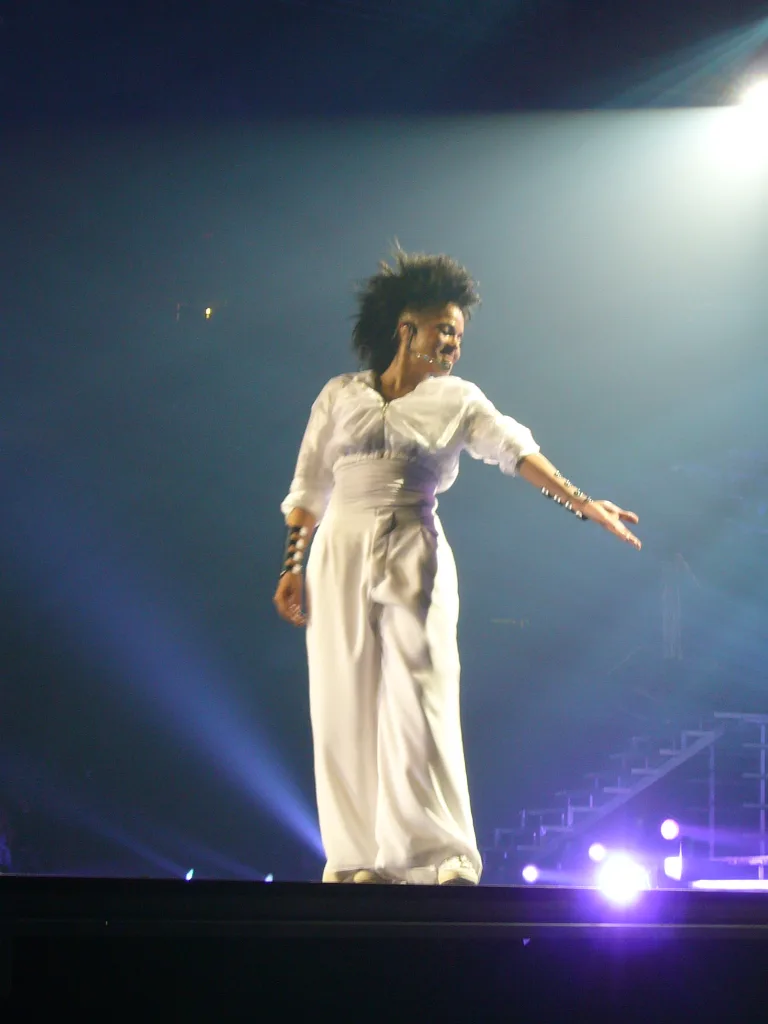
Pop Choreography may use any pop artist and an original teacher routine. A K-pop cover more often aims to recreate the choreography of a specific release recognisably.
Commercial Dance teaches broader camera, stage, and artist skills. K-pop practice adds fandom, group-specific aesthetics, and a cover community.
06
Our catalogue does not currently list where to learn K-pop in Gargždai.
Explore other styles →