In this article
- What makes this dance interesting
- Movement to notice
- Listen to the music
- How to begin
- Similar dances you may like
- What to consider
Discover your style
In House dance, the bass pulse shapes your weight changes. Jacking, footwork, and lofting become answers to a night shaped by the DJ.
01
House music rose through Chicago clubs, where Frankie Knuckles, Ron Hardy, and other DJs joined disco, electronics, and rhythm records across long nights.
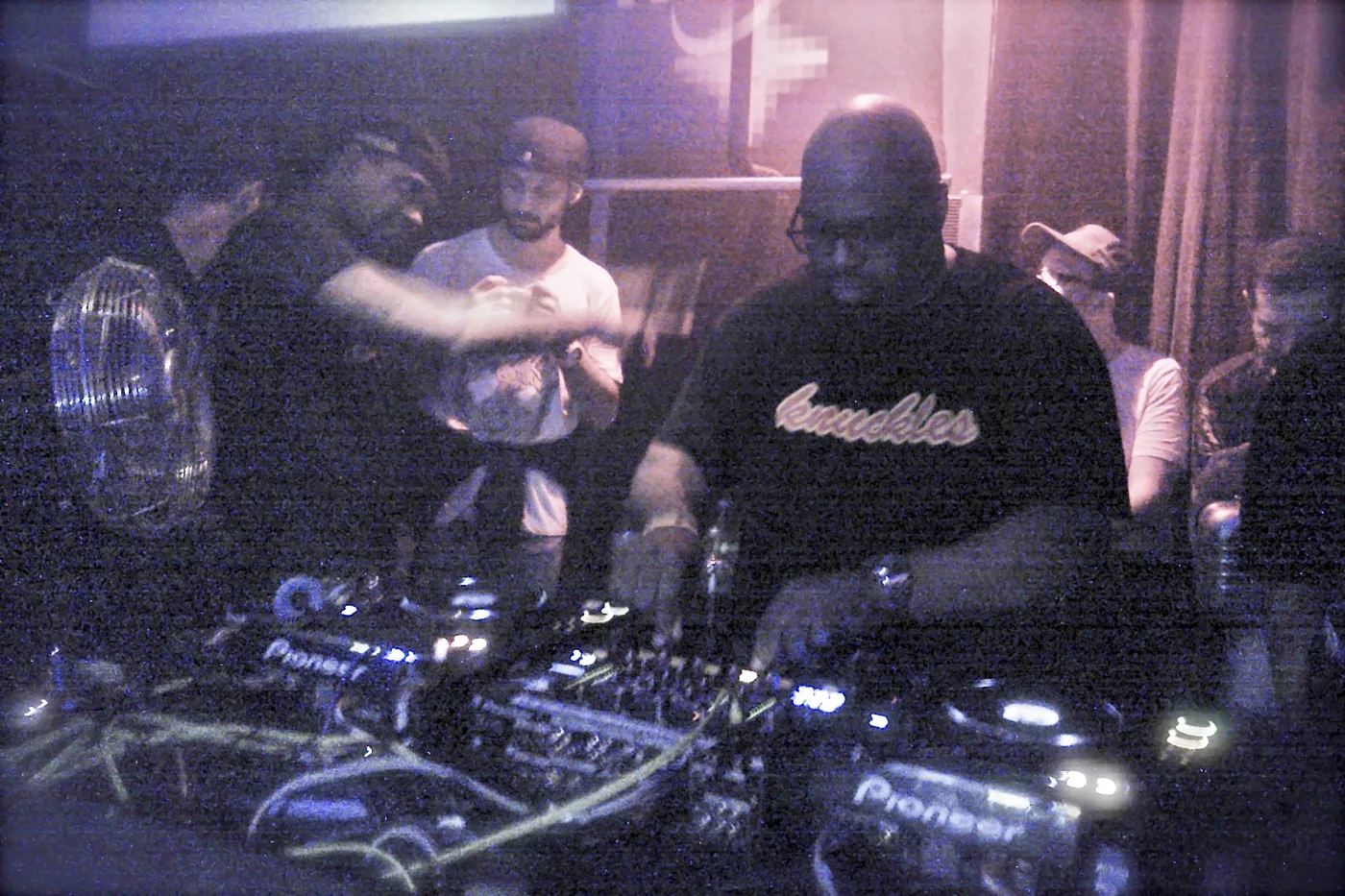
House dance grew at club nights, where dancers answered the music in their own ways. The DJ’s pulse brought different people together on one dance floor.
Micah Salkind’s study of Chicago house communities explores Black and queer clubs. Hear how a steady beat lets the feet improvise while the torso keeps the pulse.
House lives in clubs, social dancing, cyphers and battles. The 2026 House Dance Forever Warrior Edition rules used audience votes in the semi-final and final when both dancers claimed a win.
A battle can be exciting, while a club lets you experience house as a social dance. Freestyle and close listening give the steps meaning.
A club track may last long enough to change one step several times. Dance with the bass first, then notice a vocal or percussion detail. This gives freestyle an opening, a change and an ending.
02
Knees and torso answer the repeated house beat. Even a small change in pulse changes how the step feels.
The feet draw a short path that you can repeat or change when another layer enters the track.
In this longer battle stream, follow the house pulse, footwork and spontaneous replies.
Summer Dance ForeverOpen video ↗Notice how footwork and torso pulse stay connected as battle pairings change.
Summer Dance ForeverOpen video ↗This Top 12 battle shows different dancers answering the same club rhythm.
Summer Dance ForeverOpen the original source ↗In this O School studio solo, watch how footwork and torso pulse change through one track. It gives a studio example beside the battles.
O School · ZaiharOpen video ↗03
The house beat flows longer than one combination. Torso pulse and feet can answer different layers.
04
You can start with the jack and a few foundations to slower music. Increase the pace when you can keep the pulse with easy movement in your shoulders and knees.
A teacher should show groove, footwork, and lofting as distinct skills. Floorwork needs a warm-up, care for wrists and knees, and permission to stop.
Use the first song to find its pulse. Let knees and torso answer the bass, then add one footwork path. Repeat the step when a DJ layer changes; you can feel how the music directs your weight.
05
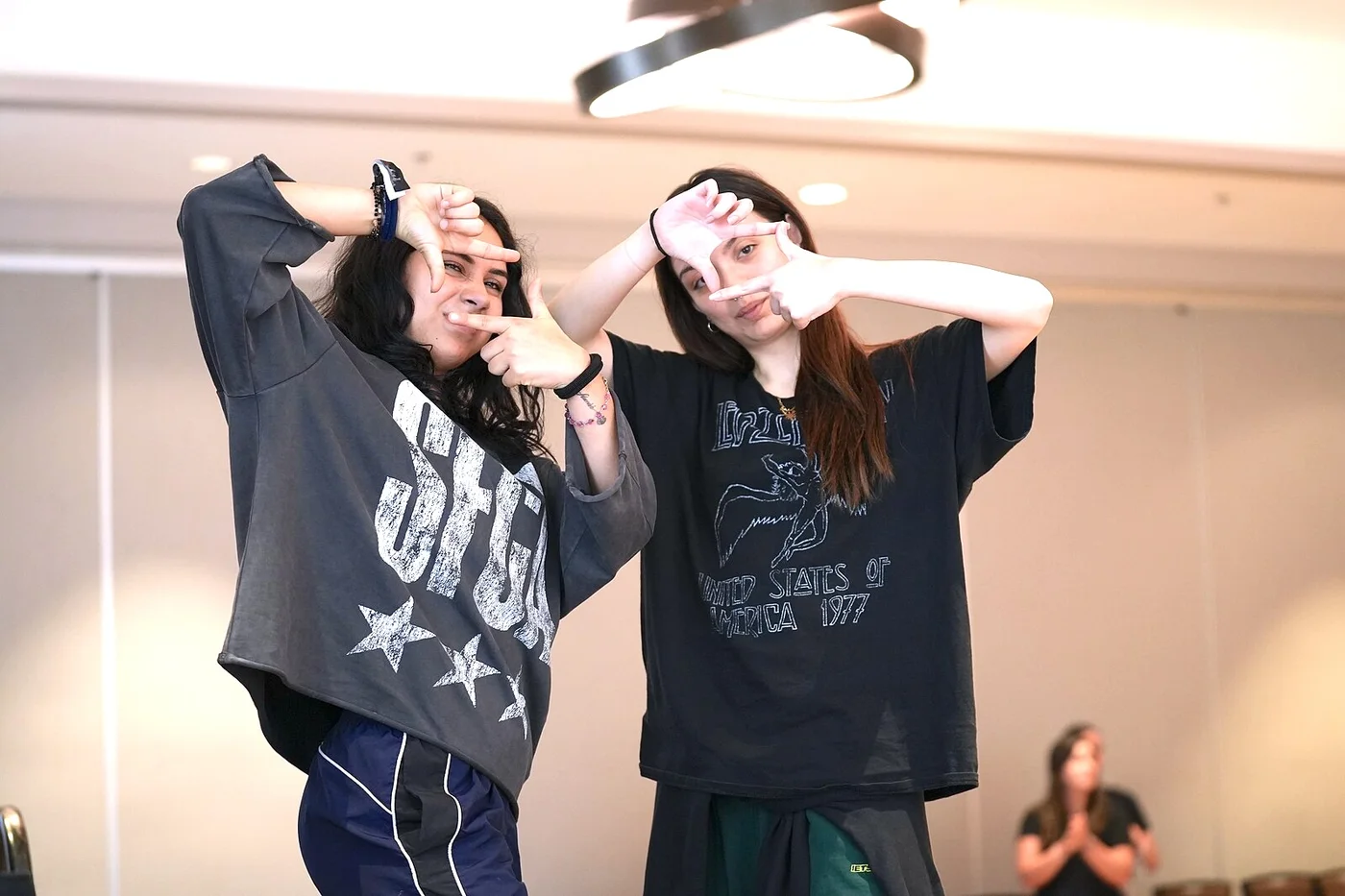
Hip-Hop class often uses a heavier bounce, party dance, or choreography. House lifts the body through the jack, faster footwork, and a club-music pulse.
Popping foregrounds the muscular hit, isolation, and illusion. House more often flows through continuous groove, travelling weight, and footwork in dialogue with the DJ.
06

Teaches in: Vilnius
Laurynas Žakevičius, known as Lau, is a dancer and educator with a social pedagogy degree. He co-founded Low Air with Airida Gudaitė in 2012.

Teaches in: Vilnius
Gabrielle Emily Aidulis creates and teaches contemporary and street dance. She graduated in dance making from ArtEZ University of the Arts in the Netherlands in 2020.

Teaches in: Vilnius
Gytis founded Flow and teaches Hip-Hop and House. His dance and teaching experience spans decades.

Teaches in: Vilnius
Guoda co-founded Flow and is a dance educator, House dancer and teacher. Her students have won street dance competitions.

Teaches in: Vilnius
Liepa teaches High Heels and House. She is a dancer, teacher and educator with experience in several dance styles.