In this article
- What makes this dance interesting
- Movement to notice
- Listen to the music
- How to begin
- Similar dances you may like
- What to consider
Discover your style
High Heels lets you explore performance through walking, clear lines and expression to music. If you enjoy choreography and stage presence, a class offers room to find your own movement character.
01
High Heels is a modern stage and studio practice. It may borrow technique from jazz, commercial choreography or other forms; the shoe changes the technique, while movement sources depend on the approach taught.
A Routledge guide to commercial dance describes how hip-hop, club and jazz forms meet in music videos and pop culture. A High Heels class may draw on those forms; its group description shows what it teaches.
The class description and first lesson can show which movement and clothing options the teacher offers and whether filming is optional. This helps you choose a way to perform that respects your boundaries, without pressure to fit one body type or image.
The same phrase can face the back of the room or a close camera frame. The size of a gaze or arm movement changes its effect. A teacher can show several ways to express it, while you choose the clothes and performance mood.
02
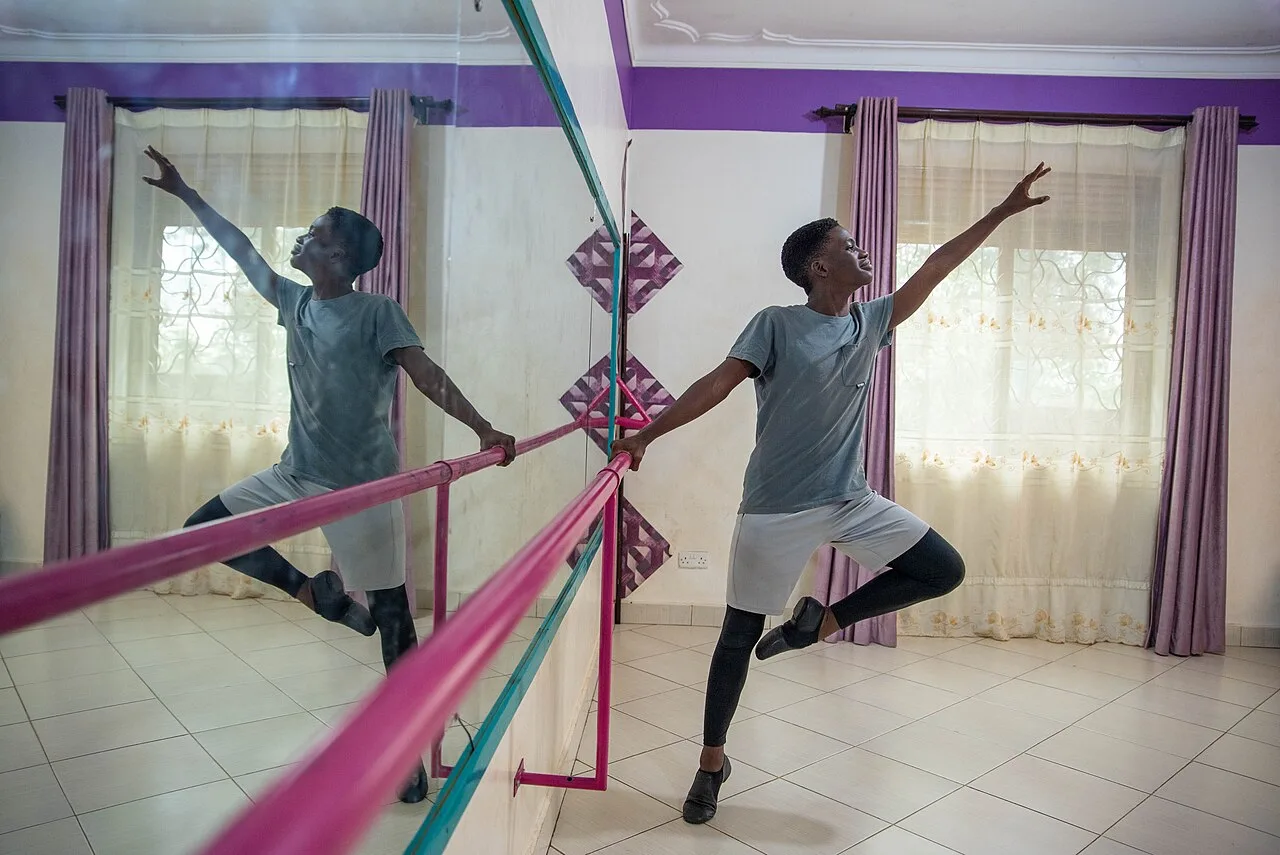
Notice how the dancer transfers weight and stops with a musical accent. The pause is part of the choreography too.
Arms, torso and gaze can point in the same direction. Compare how a movement reads in the room and on camera.
The class videos show how the same phrase changes with a dancer's timing and expression. There is room for a personal performance.
Watch the walking, lines and accents of Shirlene Quigley's stage phrase at Broadway Dance Center.
Broadway Dance Center · Shirlene QuigleyOpen the original source ↗This 2016 Broadway Dance Center class clip shows another Shirlene Quigley phrase. Compare the group timing with each dancer's expression.
Broadway Dance Center · Shirlene Quigley · Beyoncé, DivaOpen video ↗This clip from Žydrė Heels Academy shows a local group working in the studio. Compare the space and pace with the Broadway Dance Center class.
Žydrė Heels Academy · VilniusOpen video ↗04
A beginner group can give you time to try walking and balance before a longer routine. Broadway Dance Center's beginner workshop names these skills in its class description.
Check the group’s footwear rules before class. Find out which shoes suit a first visit and whether you can start in socks while choosing a suitable pair.
In your first class, notice how the teacher shows weight transfer, a stop and a change of direction. These movements help you understand the phrase before adding speed or floorwork.
Then try a short choreographic phrase whose rhythm you can feel. The class clips show how music becomes a group stage routine.
05
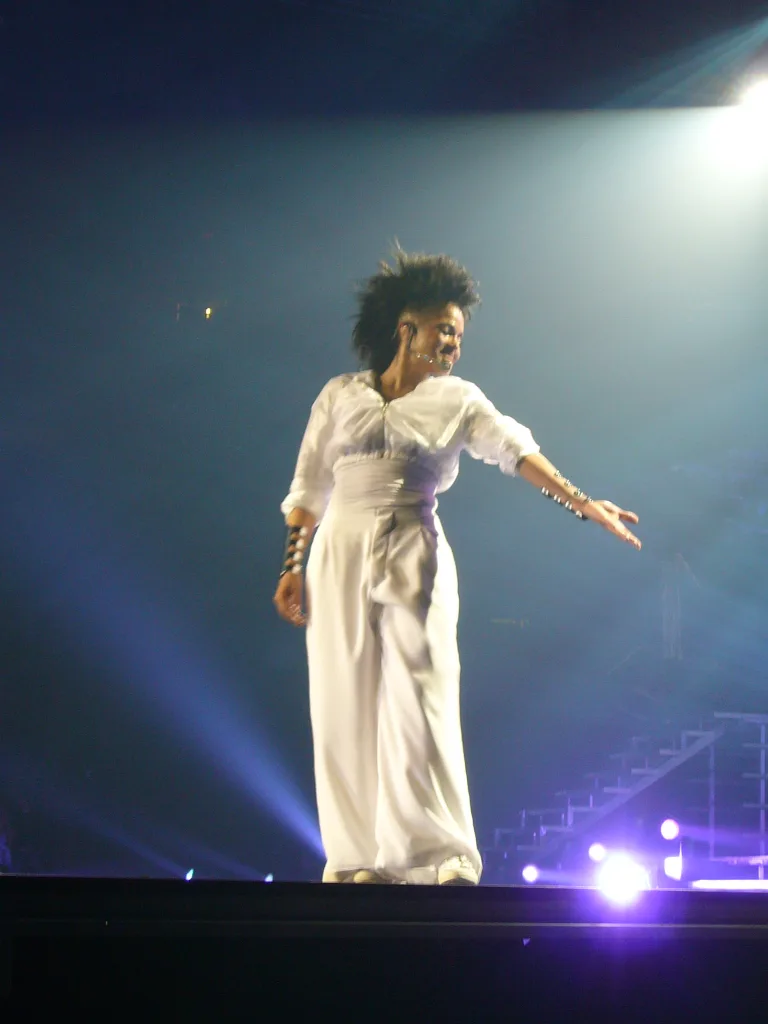
If expressive choreography appeals to you, explore Feminine Movement too. Its movement and music choices may differ; the teacher's class description tells you what the group will do.
06