
In this article
- What this class label means
- Movement to notice
- Music and rhythm
- How to begin
- Similar dances you may like
- What to consider
Discover your style
Gymnastics can make precise movement rewarding: holding a balance, controlling a landing, or moving apparatus with music. Groups teach different skills, so start with the class format and level when you choose a group for yourself or a child.
01
World Gymnastics lists artistic, rhythmic and trampoline gymnastics among its disciplines.
A studio class may teach one of these forms or preparatory movement. The class page should make its focus clear.
Watch how a coach explains levels of one movement. People in the same group may have different aims: one builds coordination, another prepares for a performance. A clear exercise goal helps each person choose a suitable version.
Rhythmic gymnastics joins movement, music and apparatus. The federation's apparatus guide names hoop, ball, clubs and ribbon. Check the class page for the apparatus it uses.
02
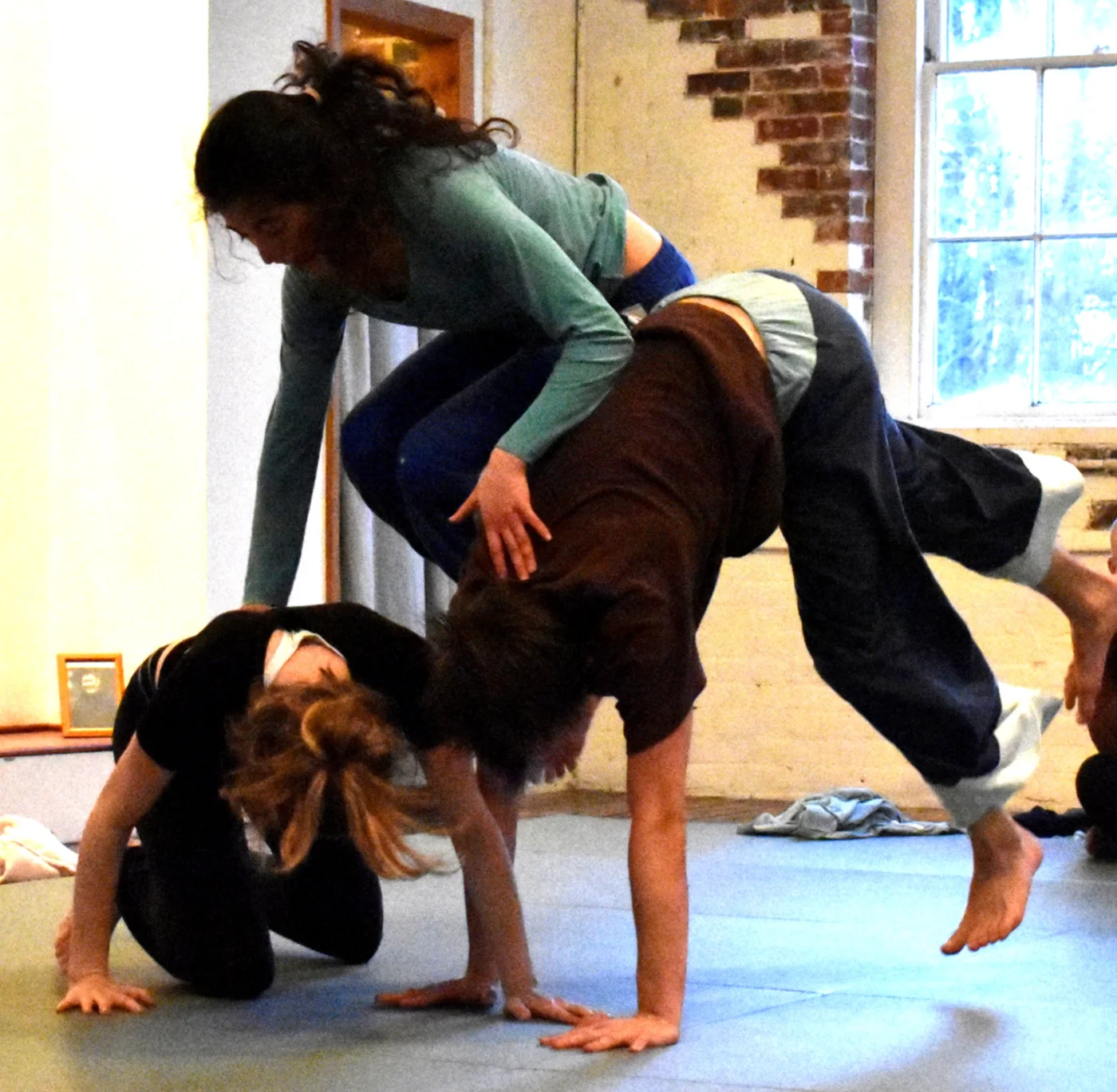
Before a handstand or another harder skill, watch how the coach teaches support and landing. An easier task lets you feel the direction of the movement.
In rhythmic gymnastics, a hoop or ball moves with the body and musical phrase. Watch how a throw, catch, and next movement meet an accent in the music.
Watch apparatus throws, body lines and musical accents in this FIG rhythmic-gymnastics highlight reel.
World Gymnastics Channel · FIGOpen the original source ↗03
A gymnastics class may work without music. Landing quality and safe pacing matter more than a soundtrack.
04
A warm-up, main task and rest give the first session a clear order. An easier exercise lets you learn how to support your weight before a harder movement.
If the group uses mats or other equipment, the coach should show how to use it. This matters when you learn a new landing or support position.
A group may focus on dancer mobility, general movement or a named gymnastics discipline. The goal changes the exercises, so check the class description. Entry-level tasks let the coach see how you move before the work becomes harder.
05
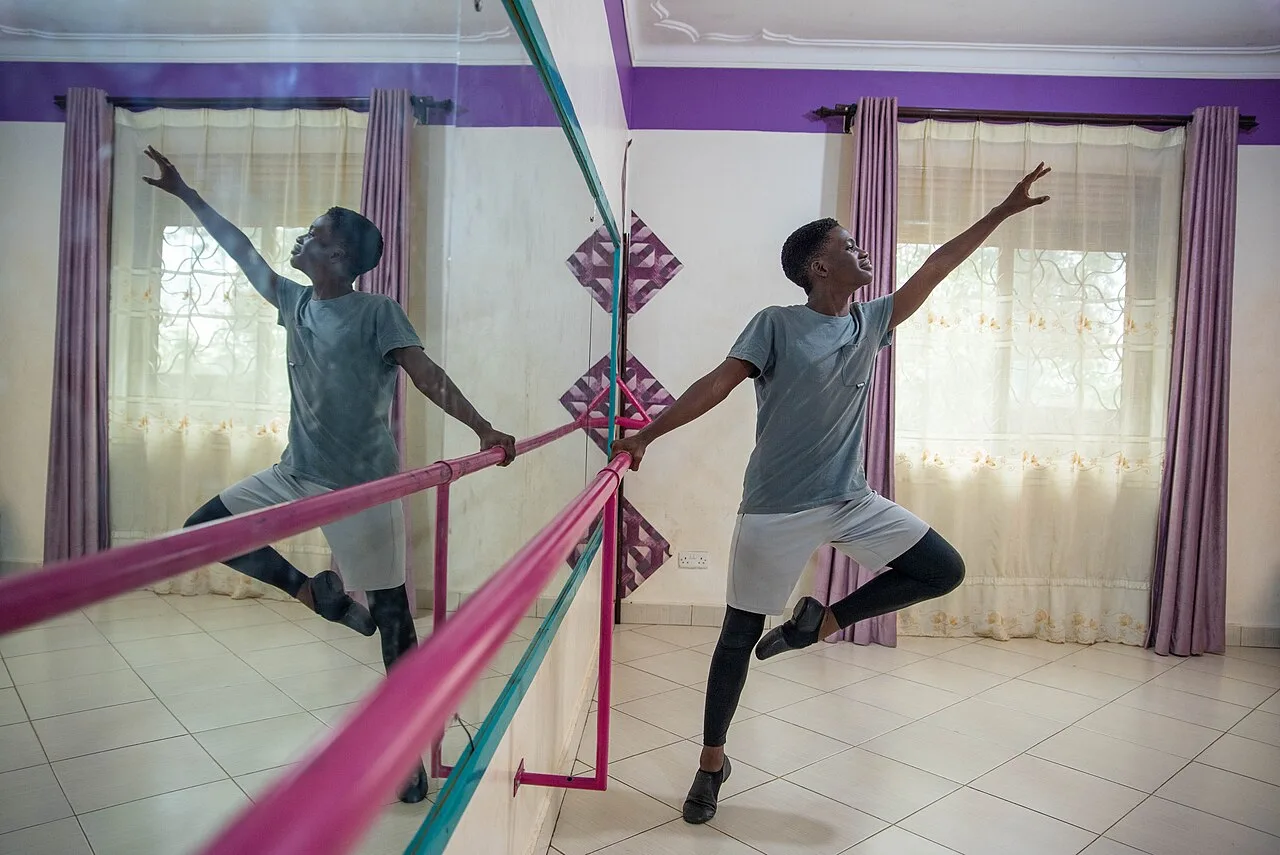
Ballet uses codified dance technique, music, and stage repertory. Gymnastics first centres physical elements, execution, and safe progression.
06
Our catalogue does not currently list where to learn Gymnastics in Kėdainiai.
Explore other styles →