In this article
- What this class label means
- Movement to notice
- Listen to the music
- How to begin
- Similar dances you may like
- What to consider
Discover your style
How does a phrase change when it begins with a look, a hand or a shift of weight? Feminine Movement leaves room to explore your expression, with music and tasks chosen by the teacher.
01
This is a contemporary studio-class label. One teacher may use jazz lines, another body movement from social dance or tasks from contemporary dance. The class description helps you choose the movement experience you want.
Feminine can suggest different images to different people. A teacher may offer a stage mood while dancers choose movement size, gaze and their relationship with the camera. Notice whether the class makes room for those choices.
Try the same phrase with two songs: carry a long melodic line in one and answer a drum briefly in the other. You will hear how music can guide expression as strongly as a visual example.
A class can draw on several techniques. The Alvin Ailey Commercial Jazz description gives one stage-movement example; NDEO’s dance-education account discusses technique, improvisation and creation. The content depends on the class you choose.
02
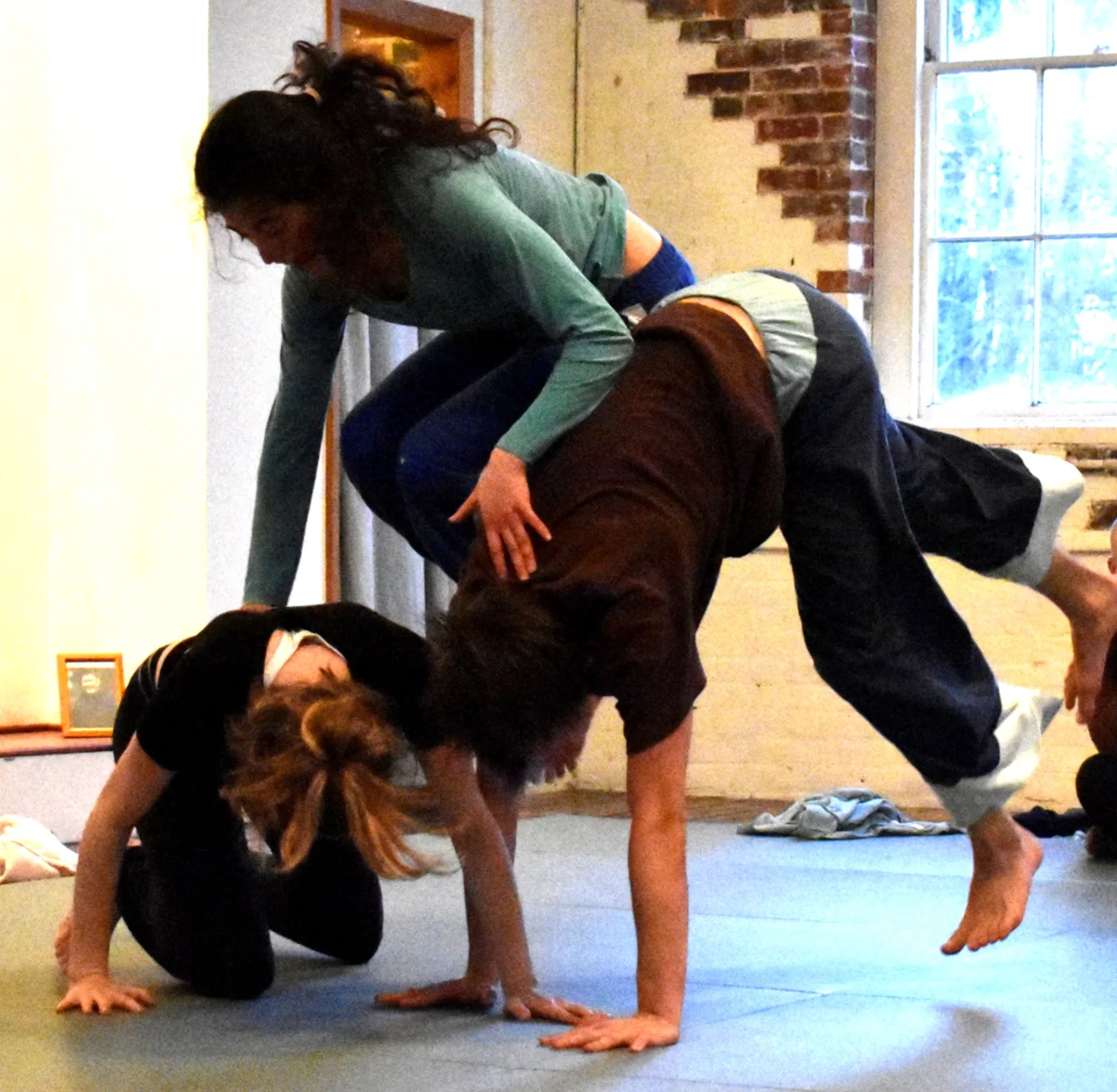
Try movement without one required version of “feminine”; choose range, gaze and boundaries.
This Broadway Dance Center class shows one approach to feminine stage movement.
Broadway Dance Center · Debbie WilsonOpen video ↗03
Music may invite many kinds of expression; a teacher should not demand one response. Choose your accent and boundaries.
04
Begin with a short walk-and-pause phrase. Change one thing: an arm path, a look or the pace. The teacher can show several versions; choose the one that answers the song and feels clear in your body.
Choreography, improvisation, heels and filming create different class rhythms and atmospheres. Look for these details in the class description to choose a format in which you want to explore movement.
05
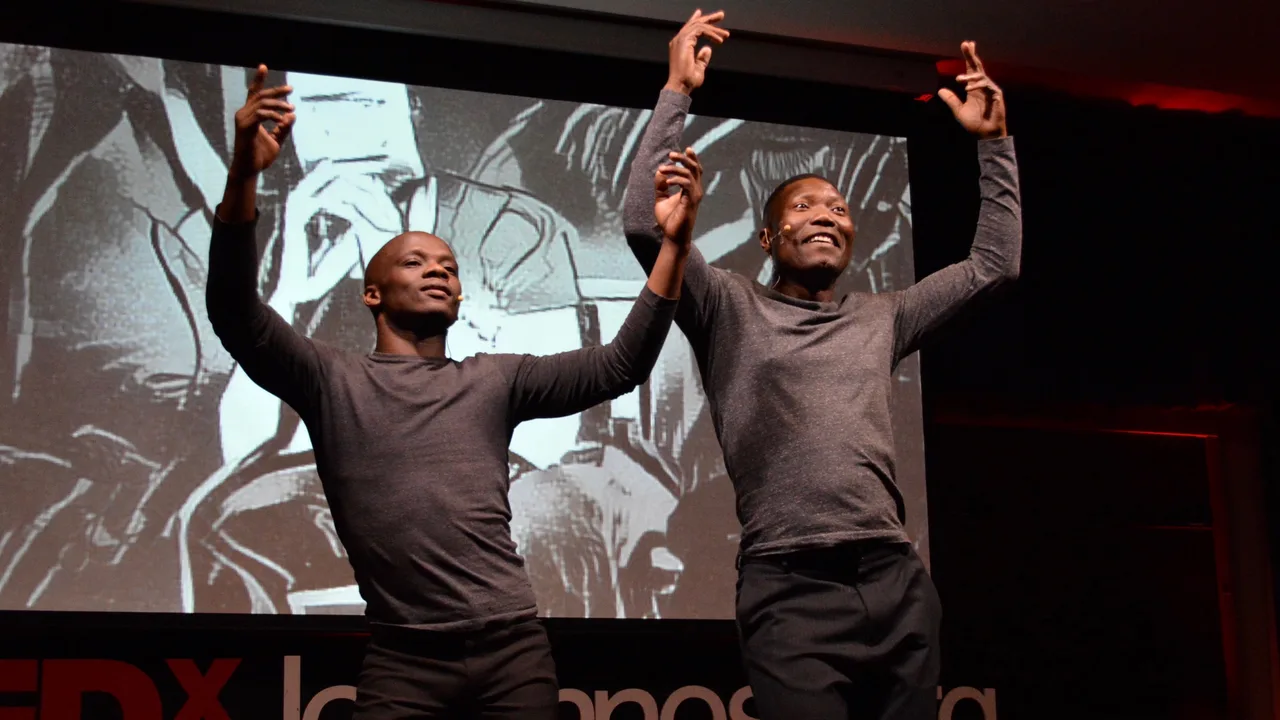
Feminine Movement may practise groove, posture, and expression without a final routine. Feminine Choreography arranges those elements into a repeatable sequence.
06
Teaches in: Kaunas
Teaches in: Kaunas