In this article
- What this class label means
- Movement to notice
- Listen to the music
- How to begin
- Similar dances you may like
- What to consider
Discover your style
One song, a few gestures and a mood you choose. In Feminine Choreography, learn a sequence and explore how to make it your own through a body line, a look or a deliberate pause.
01
Feminine Choreography classes vary by music and technique. One group may learn short phrases; another may build a longer stage piece. Use the class description to choose the format that interests you.
Feminine Choreography names a creative format and a chosen stage mood. A song may bring pop, jazz, heels or social-dance movement. The routine’s creator and the movement’s origins give it more context.
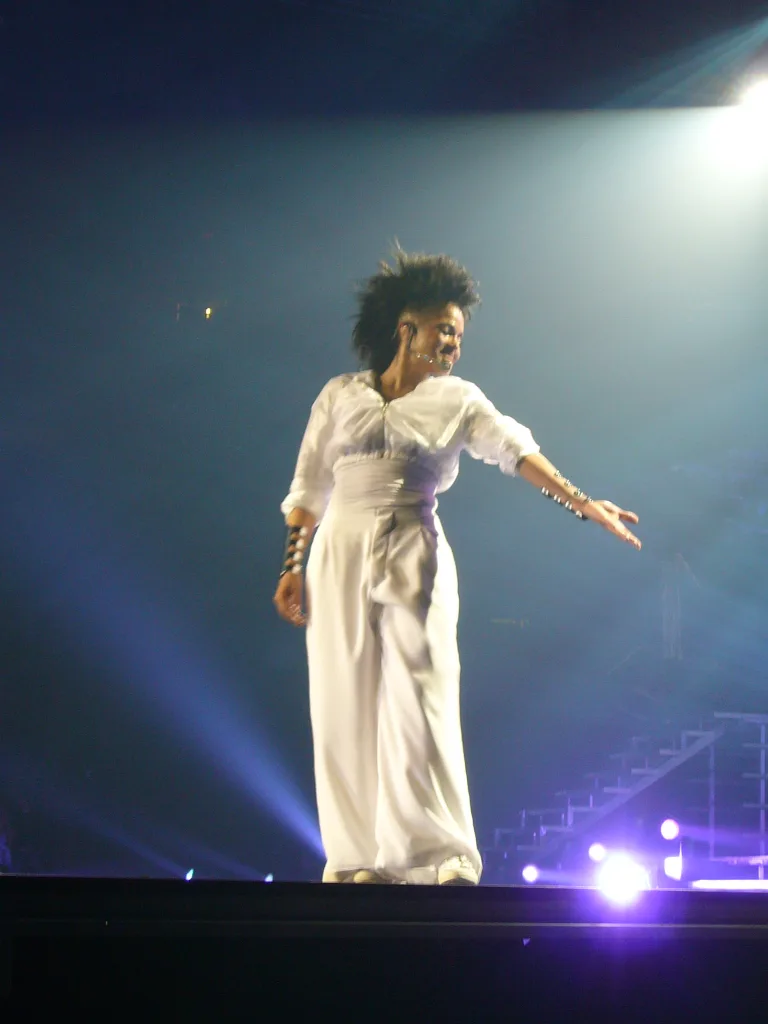
A strong routine keeps its music and movement lineage visible. Each dancer can shape its feminine stage expression through a different gesture, pace or gaze.
Watch a group perform the same phrase with different personal accents. One dancer may choose a smaller gesture, another a longer pause. A clear musical structure lets those choices live in one performance.
A group may make choreography for stage or camera. NDEO’s course describes a dance-making process; Ailey’s Commercial Jazz description gives a stage-movement example. The class goal shapes how dancers work with the movement.
02
Feel your weight over the foot, then add the arm path. Notice how its direction and ending bring out the song’s phrase.
Debbie Wilson shows one performance choreography and expression approach at Broadway Dance Center.
Broadway Dance Center · Debbie WilsonOpen video ↗03
Hear the phrase before adding arm and body lines. Filming pace should not drown out the music.
04
Expect a short routine where technique, line, and music are explained before filming. Arm styling should grow from support and rhythm, and develop throughout the sequence.
Try the same phrase with two gestures. Carry an arm line through the melody, then pause on a drum accent. Hear which choice fits the song better.
Break the first routine into three parts: opening, strongest musical accent and ending. Check the foot direction first, then add arms and gaze. One phrase becomes clear even when the whole group moves together.
Take one phrase and notice how much interpretation it leaves to you. One teacher may want a uniform group picture; another may let you change a look or the size of a gesture. Try the class to find which approach feels more inviting.
05
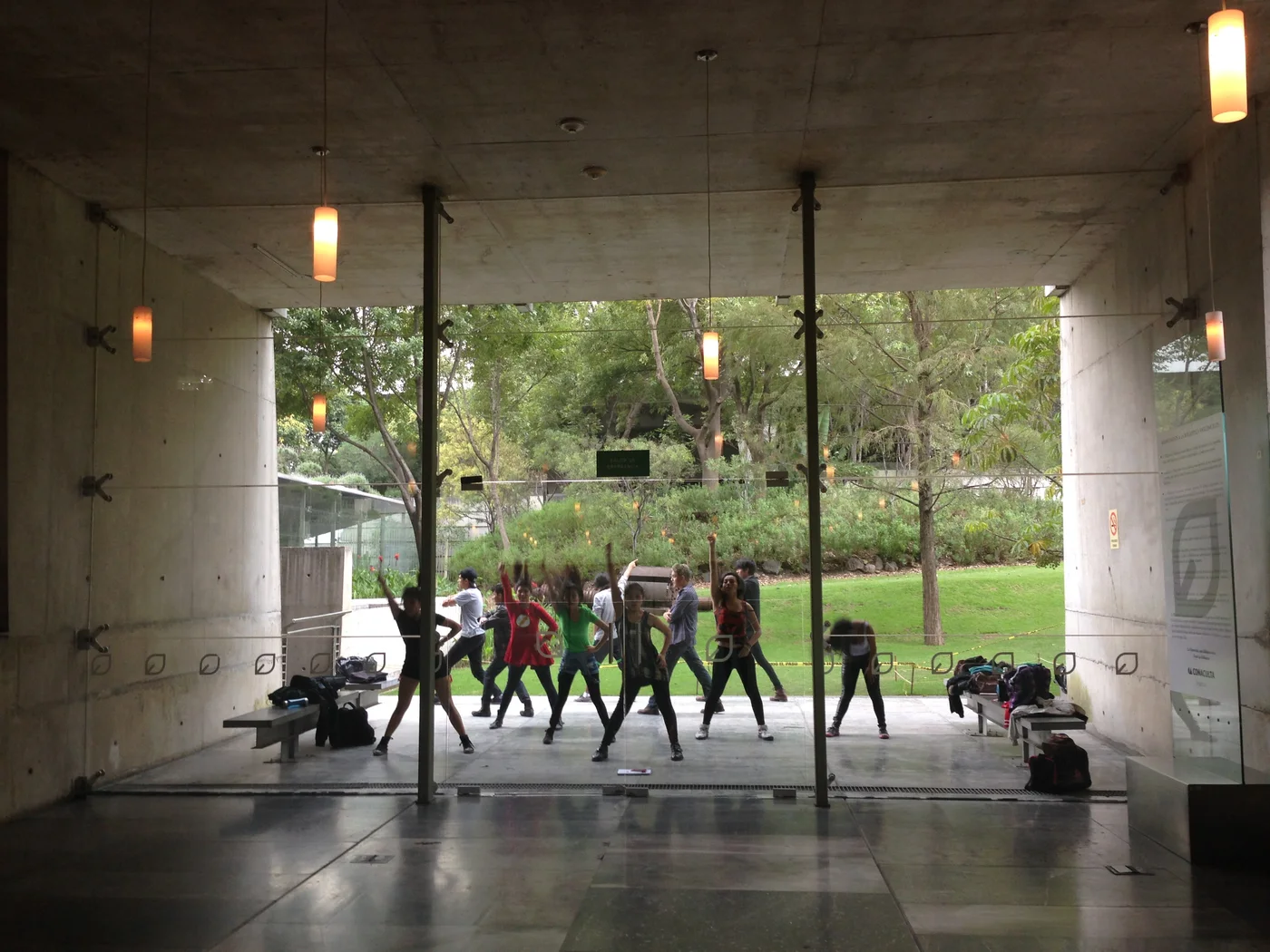
Choreography is a general routine-building format. Feminine Choreography adds a specific stage aesthetic but should not prescribe one model of femininity.
06
Our catalogue does not currently list where to learn Feminine Choreography in Kaunas.
Explore other styles →