In this article
- What makes this dance interesting
- Movement to notice
- Listen to the music
- How to begin
- Similar dances you may like
- What to consider
Discover your style
DanceSport brings partner dances into competition. Judges consider posture, musical timing, body line, movement and presentation. If you enjoy learning with a partner and a clear goal, you can choose a competition or leisure group.
01
DanceSport is a global federation system. Lithuanian clubs and the federation connect to an international network through WDSF.
The World DanceSport Federation lists five Standard and five Latin dances. A ten-dance programme joins both sets. The structure lets you compare competitive disciplines while each dance keeps its own music and social history.
WDSF judging guidance explains how judges consider posture, rhythm, body lines, movement and presentation. Beyond competition, a class also offers partnership, the pleasure of practice and a club community. You can join without a competition goal.
Before choosing a club, check weekly training, partner arrangements, competition dates and added costs. A child’s enjoyment matters alongside judging. An adult beginner can also take classes without a competition goal.
02
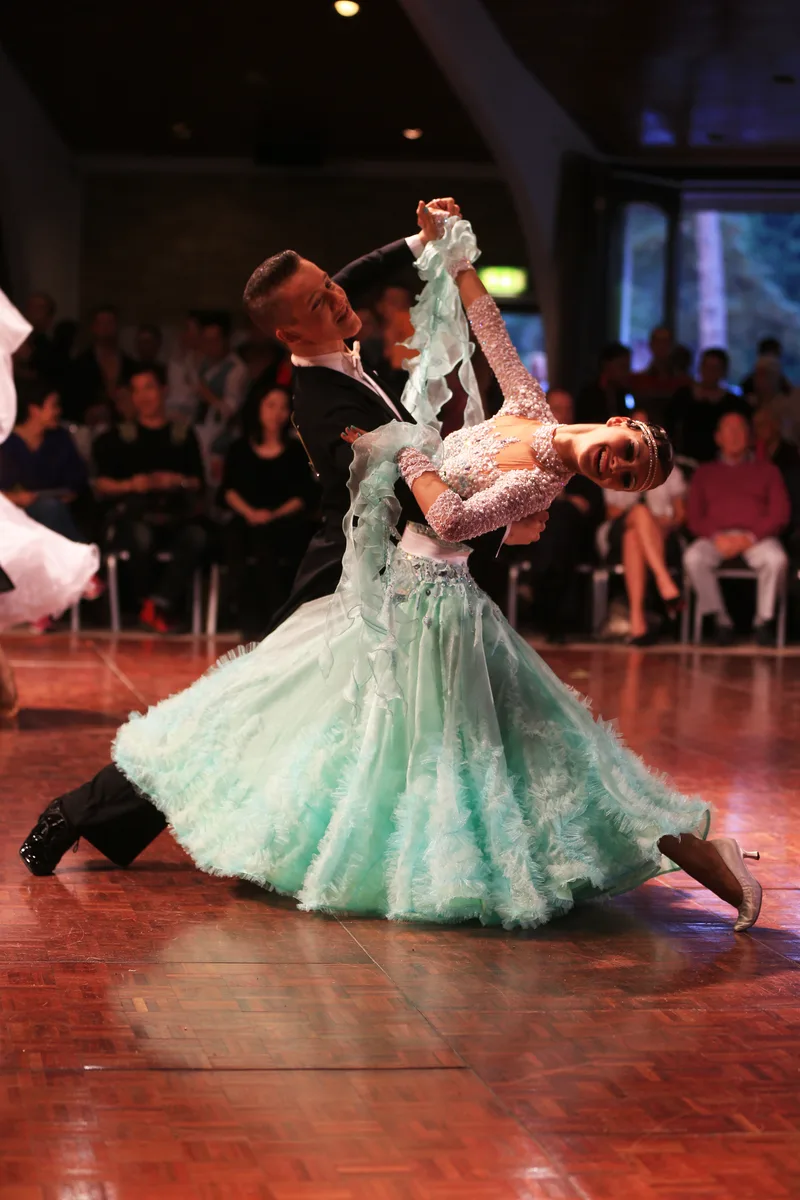
A simple step pattern shows whether both partners hear the same beat. In competition, timing with the music is one of the judging criteria.
Several couples share the competition floor. Watch how a pair keeps time and finds a path among them; WDSF calls this floor craft.
Watch the jive rhythm and partner movement in the World DanceSport Federation recording. Compare it with other dances on a competition programme.
World DanceSport FederationOpen the original source ↗03
Competition programmes change music and hold across Standard and Latin dances. Learn to find each pulse.
04
A first session introduces posture, footwork, partner coordination and repetition. If you want to compete, check the class description for training frequency and entry level. Competition and leisure groups may work at different rates.
A syllabus and named figures help assemble permitted sequences, but that is only the technical start.
Move from one step to a short partner phrase. Find your direction and the musical pulse first, then coordinate them with a partner. Repetition shows how a single movement becomes a shared dance.
05
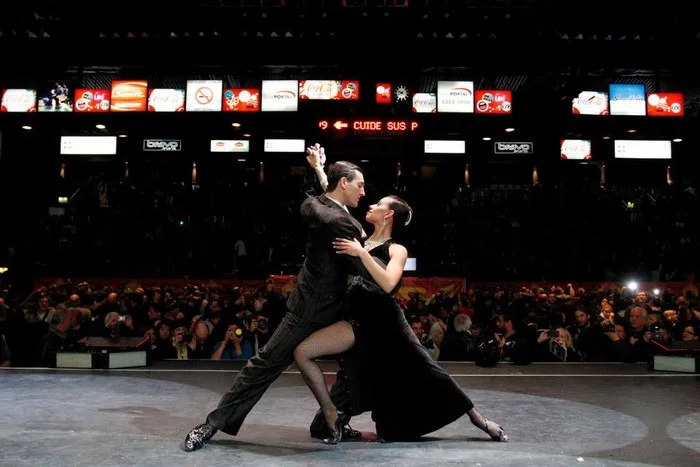
DanceSport has formal categories, rules, and judges. Ballroom Dance may also mean unjudged social practice with other goals and teaching pace.
06
Our catalogue does not currently list where to learn DanceSport in Vilnius.
Explore other styles →