In this article
- What makes this dance interesting
- Movement to notice
- Listen to the music
- How to begin
- Similar dances you may like
- What to consider
Discover your style
Hear a song, see a move and learn its name. Jamaican dancehall lives through parties, videos and communities. Meet the move’s creator as you learn: their choice can change how you hear the rhythm.
01
Dancehall grew in Jamaica through dialogue among sound systems, parties, artists, and dancers. As the music changed, new steps, crews, and fashions emerged, often tied to named creators.
Dancehall steps travel through parties, artists’ videos and classes. A step’s name, its creator and its song help you understand its place in the scene.
The Jamaica Information Service traces dancehall music and deejays through sound-system culture. Latonya Style’s lesson demonstrates named Old School and Middle School steps and credits their makers. Follow the movement history through those specific names.
When learning a step, find out its name and creator. Listen to the song associated with it and notice how its rhythm helps you choose a movement accent.
Compare a song whose lyrics call for a named movement with an instrumental selection. The first gives a clear cue; the second leaves more room for your rhythmic idea. Naming the song and step helps you hear their relationship.
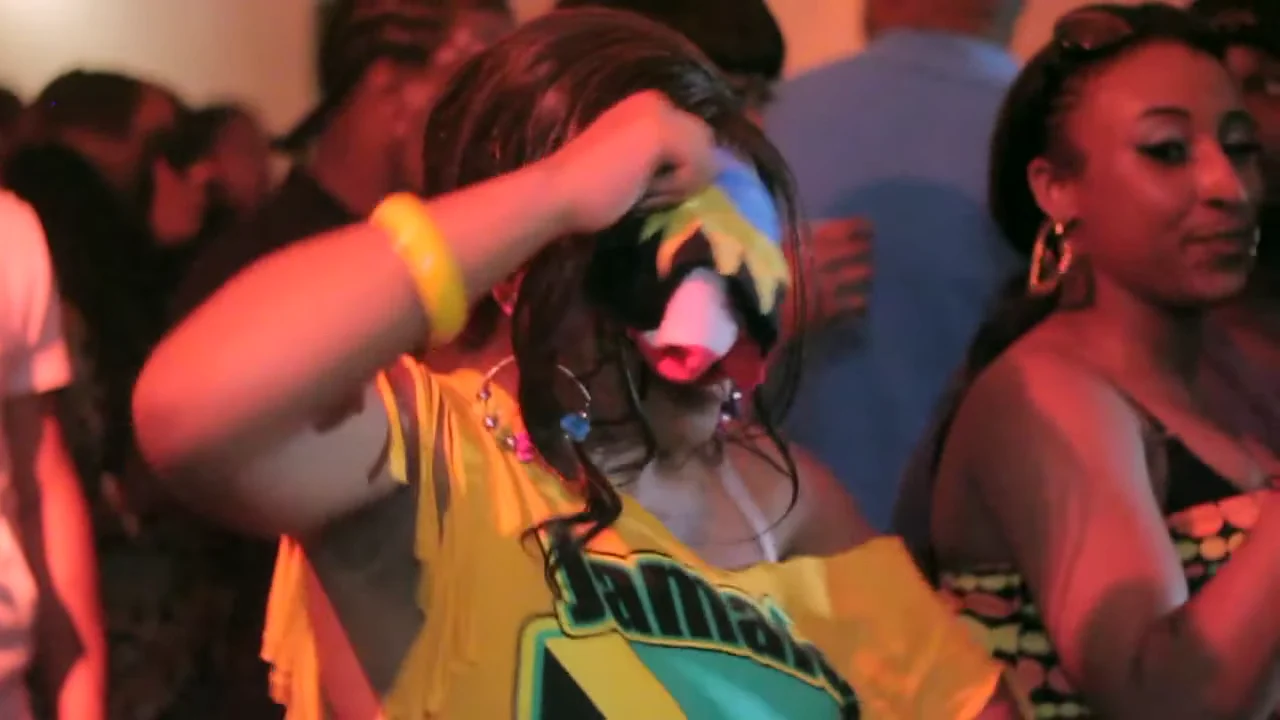
Picture an evening before London’s Notting Hill Carnival: music, people, bright colours and room to move your own way. In Mollie Mills’s 2013 film, two Jamaican law graduates living in Homerton take the filmmaker to a local dancehall party. Their small story brings diaspora life into view: dancing fits among friendships, study and work.
02
Before repeating a move, learn its name and creator when known; hear how it sits in the riddim.
Latonya Style’s lesson lists Log On among Bogle’s steps. Watch the full shape, then hear it with the dancehall rhythm.
In this 2014 Melbourne lesson, Latonya Style demonstrates Old School and Middle School steps and names their creators and eras.
DanceJAOpen the original source ↗Hear the repeated riddim and the spaces where a dancer could answer an accent.
Beenie ManOpen the original source ↗In this battle example, notice how each dancer chooses a step and answers an opponent.
Hip Hop DistrictOpen video ↗03
A riddim repeats while vocalists and dancers change their reply. Hear where a named step fits.
04
Look for groove before a long routine in your first class. A teacher should name steps, identify creators or eras, and show how each movement sits in the music.
Try a teacher who studies the Jamaican scene, names Dancehall movements, and shows how they fit the music.
When the teacher shows a step, note its name and maker when known. Repeat it with the part of the song it answers, then vary your response. One step with its musical context tells you more than a fast anonymous sequence.
05

06