In this article
- What makes this dance interesting
- Movement to notice
- Listen to the music
- How to begin
- Similar dances you may like
- What to consider
Discover your style
Contemporary draws on several movement techniques and asks: what happens when a body falls, waits, resists, or moves without music?
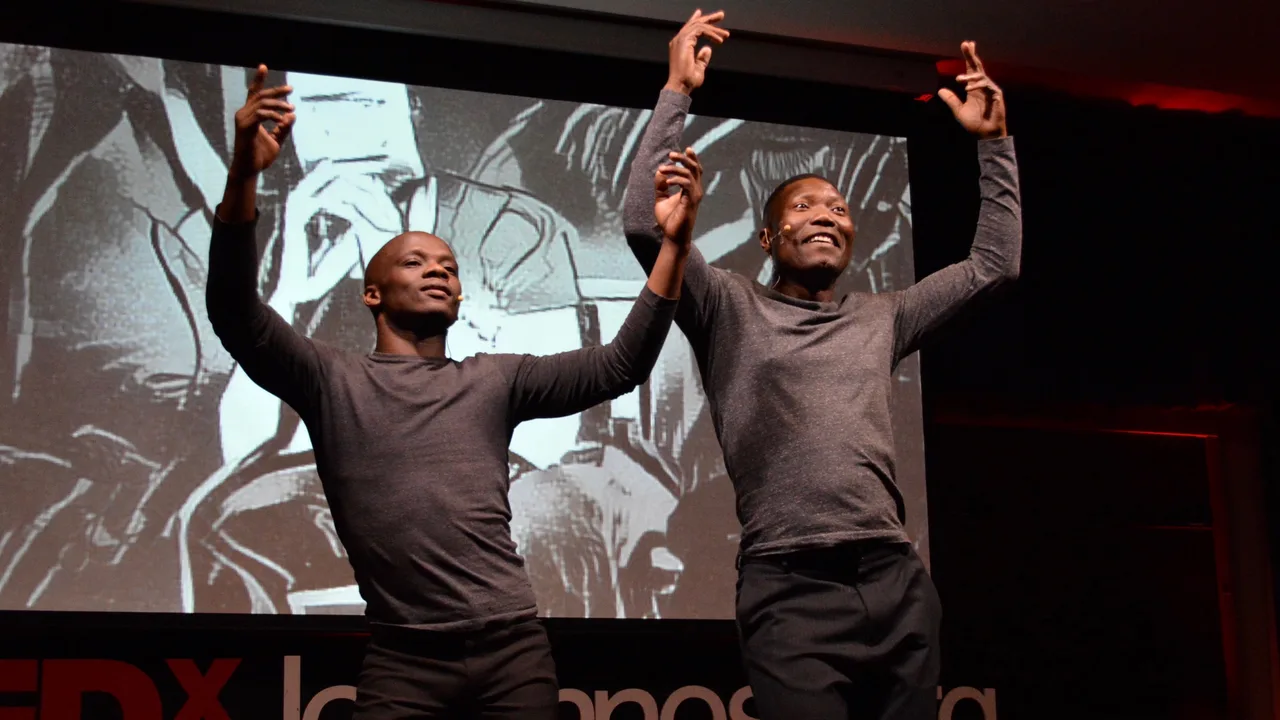
01
A New York Public Library dance account describes Judson Dance Theater artists working with everyday movement and spaces beyond the usual stage. That New York path is one strand in the later development of contemporary dance.
Trisha Brown explored unusual spaces: in Walking on the Wall (1971), dancers moved along walls; in Roof Piece (1971), movement passed from rooftop to rooftop. These works show one path through a wider contemporary field.
In Rambert dancer Peter Curtis's oral history, he recalls the company's 1966 turn from classical ballet toward contemporary work. One company's path shows a wider feature of the field: techniques and creative methods change with choreographers and dancers.
Contemporary dance lives in companies, festivals, studios and independent spaces. Rambert dancer Peter Curtis's account shows one company changing direction with its dancers. When watching a work, notice the movement language chosen by its choreographer.
A work may move through silence, live sound and recorded music. Notice how each choice changes the dancers' timing. In class, the same sound can support a movement study or a performance piece.
02
Feel how the body descends and returns from the floor; begin the movement with a weight change.
Travel the same path twice: first slowly, then with a new focus. Notice how the space changes your movement choices.
Watch the group change distance, level and pace in this performance.
International Dance OrganizationOpen the original source ↗In this Ailey Extension class clip, watch the teacher and group change movement level and pace. This is a short class excerpt.
Ailey Extension · Glenn Sims · video by Coal RietenbachOpen video ↗03
A contemporary work may use music, silence or speech. Notice whether movement meets the sound or resists it.
04
A contemporary class may focus on release, floorwork, Cunningham technique, improvisation or choreography. Its description helps you choose clothes and understand the movement you will try.
A teacher can show more than one route to the floor and offer different ranges of movement. Choose a version in which you can keep support and understand the task.
A class may offer a short improvisation task: follow the same path while changing tempo, focus or your relationship to another dancer. Try several versions and notice how each changes the movement.
05
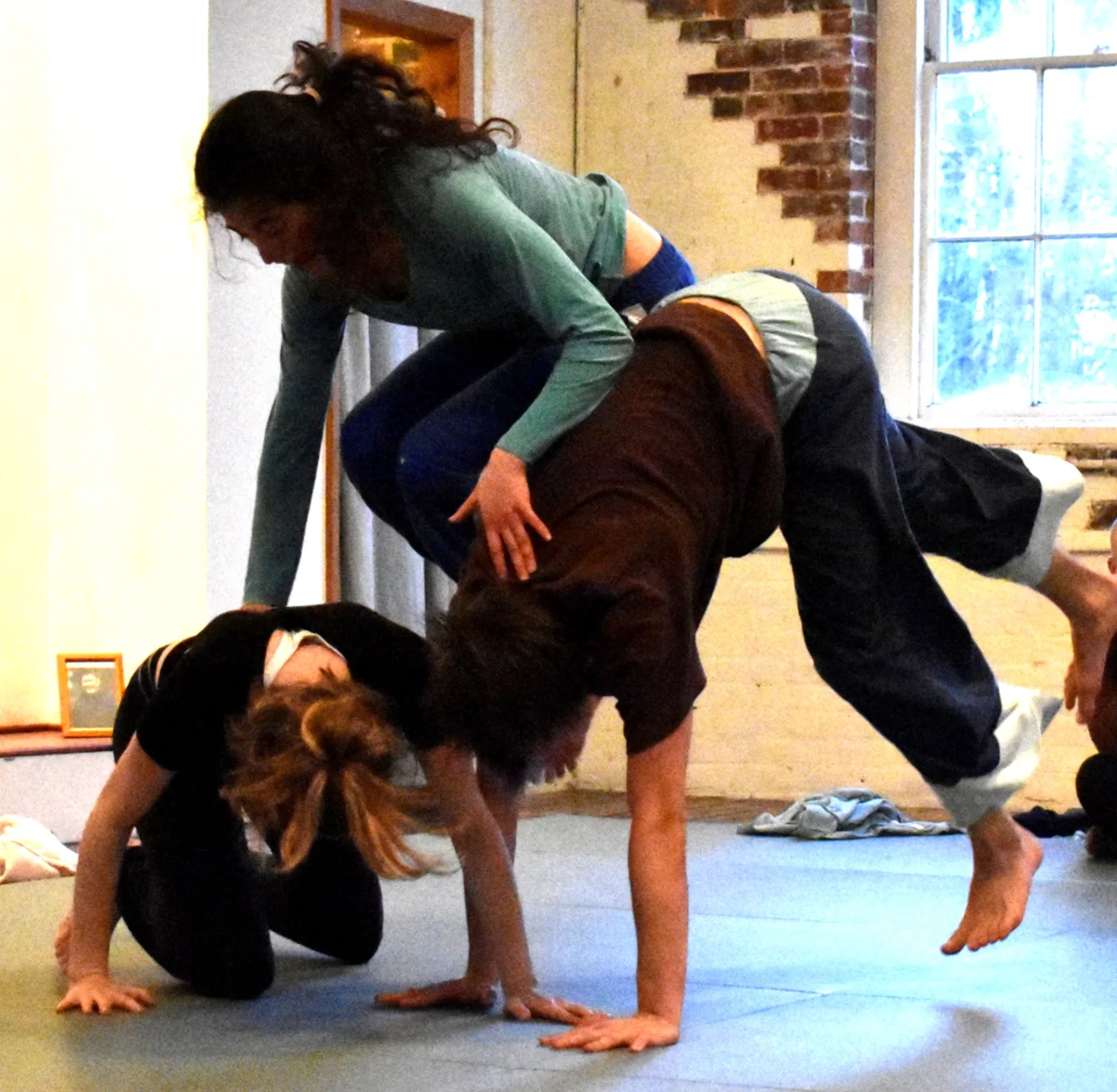
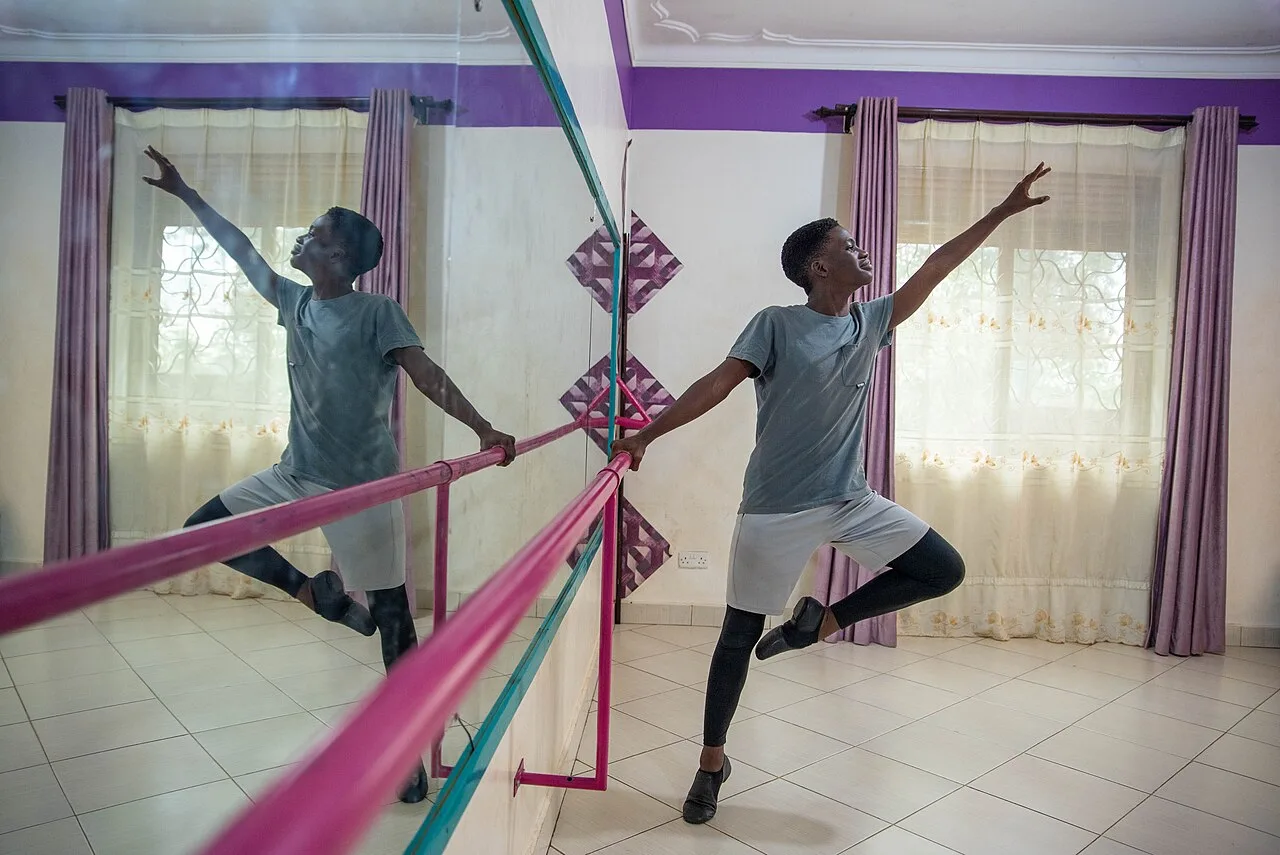
Ballet uses a recognisable codified system. Contemporary may borrow ballet technique, but can also choose weight, floorwork, and everyday movement.
Contact Improvisation studies shared weight, touch, and spontaneous decisions with another body. In contemporary class, improvisation may be only one tool among many.
06
Choosing a dance class for your child in Vilnius →
Our catalogue does not currently list where to learn Contemporary in Šiauliai.
Explore other styles →