In this article
- What makes this dance interesting
- Movement to notice
- Listen to the music
- How to begin
- Similar dances you may like
- What to consider
Discover your style
Contact Improvisation begins with listening through touch. Two bodies share weight and risk in real time, so consent, boundaries, and the ability to leave are part of the technique itself.
01
The origin trail runs through Oberlin and New York’s Judson/experimental scene, then through an international network of jams and teaching communities.
Contact Improvisation is an improvisational physical dialogue based on touch, shared weight, gravity, balance and responsive listening.
A Theatre Academy Helsinki dance-history account traces Contact Improvisation to experiments by Steve Paxton and other dancers in the 1970s. Open practices and jams carried the form among communities.
Before contact, agree on touch and weight sharing. Say what touch you want, respect your partner’s limits and stop whenever you need to. The teacher should show how to invite, decline and end contact clearly.
Contact Improvisation lives in jams, classes, workshops, and festivals across many countries and continents.
At a jam, watch how people invite contact and how they end it. A dance may begin with a look or a small offer of weight. Clear agreement and attention to another person keep the improvisation open.
02
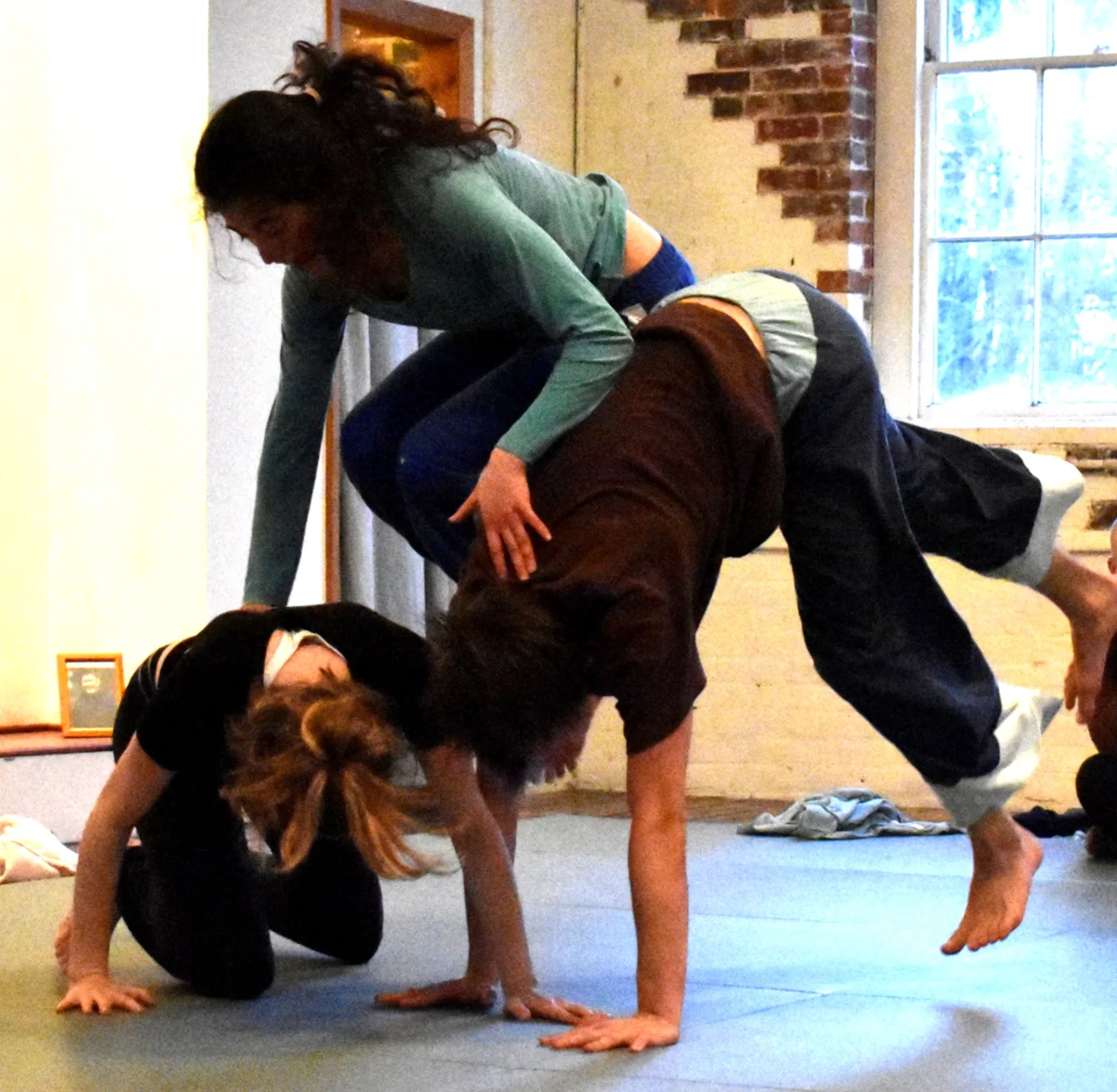
Begin with light contact and clear consent. Either person can withdraw weight at any time.
A point of contact can travel from a hand to a back as both dancers change height or direction. Watch how each responds to the other’s movement.
Freiburg, 2025. Watch support move between hands, backs and the floor as the partners change height and direction together.
Joerg Hassmann · Paweł Kubiak · Sergey Semichev (video)Open the original source ↗03
Contact improvisation may use music or silence. Listen also to a partner’s weight, breath and pause.
04
Expect slow listening through weight, explicit consent, and the right to leave at any time. First contact need not be a lift; it may begin with a palm, back, or shared point of support.
A sharing circle and speaking help people relax before first contact.
Begin with a small task: place a palm against a partner's palm and notice how pressure changes as each of you takes one step. Agree on boundaries before sharing more weight. You may pause, change the task or leave the pair at any time.
05
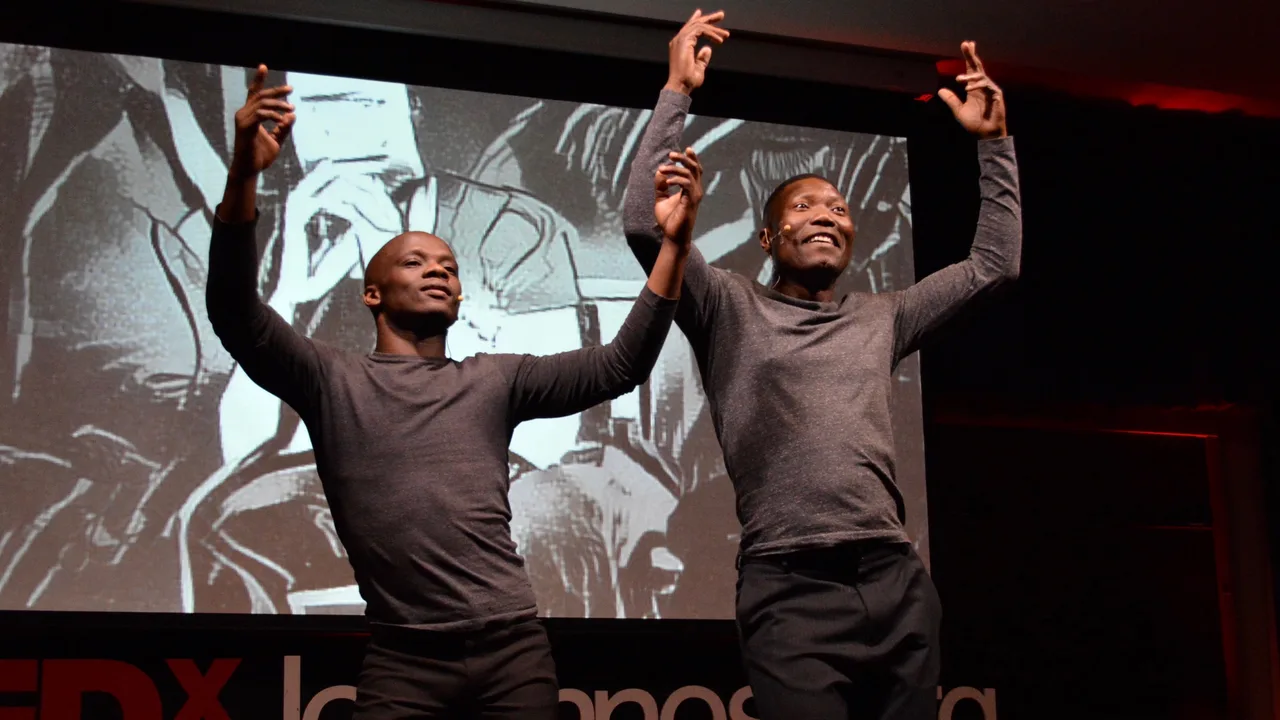
In contemporary class, improvisation may be one task among many. Contact Improvisation builds the whole practice around touch, shared weight, gravity, and spontaneous decisions.
06
Our catalogue does not currently list where to learn Contact Improvisation in Alytus.
Explore other styles →