In this article
- What this class label means
- Movement to notice
- Listen to the music
- How to begin
- Similar dances you may like
- What to consider
Discover your style
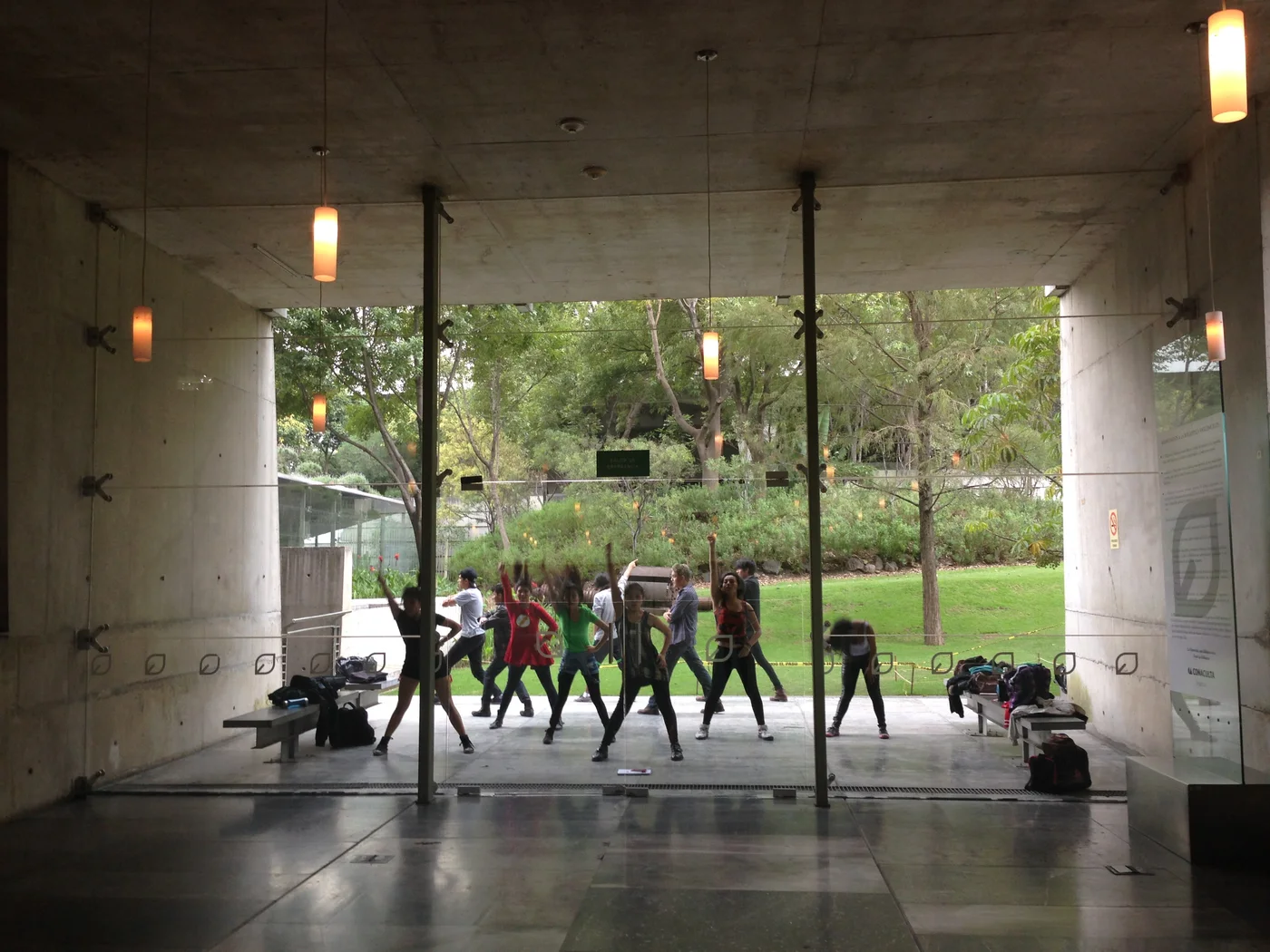
A choreography class may suit you if you want to see steps, music and group positions come together in one piece. You learn a movement sequence; the song and goal depend on the group.
01
You can repeat one movement or join several into a phrase. Change their order, direction or timing and the piece changes. That is why a choreography class can involve creation, memory and performance.
Choreography is a way of making dance across many forms. A routine carries the histories of its music, movement and makers. When learning an existing piece, its choreographer and movement sources give it context.
The same routine can feel different on stage and in a small studio circle. Watch how dancers leave room for one another and where a musical accent changes the formation. Shared timing lets each person add a small personal detail.
Change a step's direction, speed or distance between dancers and its role in the routine changes.
NDEO’s choreography course describes dance-making. The music and movement sources also help explain a finished piece.
02
Break a phrase into weight, direction and accent. Notice how joining those choices changes the result.
Watch when dancers change places and how that shifts the viewer's attention. Start by learning one transition.
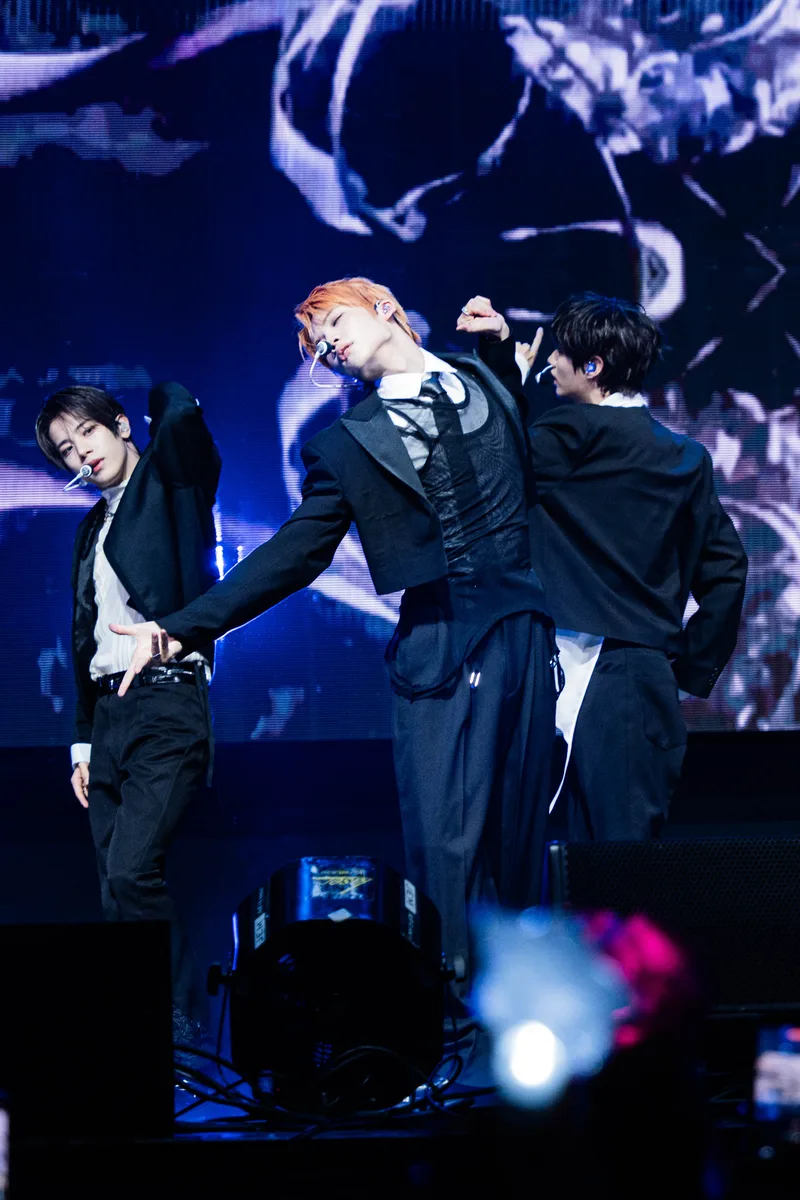
Watch one K-pop group choreography as the performers change formations and timing.
BANGTANTVOpen video ↗03
A choreographer chooses accents and quiet spaces. Listen for how the start of a movement phrase directs your attention.
04
Hear the part of the song used for the routine first. The teacher can show the foot path, then add arms, gaze and travel. Repeat one short phrase slowly before dancing the whole sequence with the group.
A group may prepare a stage piece, learn a pop-video routine or make movement for its own sake. Check the class description for its technique and any performance or filming plan. The goal shapes the balance of performance and improvisation.
05
Choreography can serve any music or purpose. Commercial Dance adapts it to industry needs: camera, artist, audition, or concert stage.
06
Our catalogue does not currently list where to learn Choreography in Šiauliai.
Explore other styles →