In this article
- What makes this dance interesting
- Movement to notice
- Listen to the music
- How to begin
- Similar dances you may like
- What to consider
Discover your style
Character Dance is ballet theatre in translation: motifs from mazurka, czardas, or escuela bolera are rewritten for the stage. Explore the living source traditions alongside their stage versions.
01
Character dance in ballet theatre stylises movement from several places for the stage. A Royal Academy of Dance teaching programme studies Hungarian, Ukrainian and Polish material separately. A phrase's origin shows what theatre borrowed and changed.
A staged number belongs to a particular ballet and its makers. When watching an example, note the work, choreographer and dance motif. This helps you see what the stage retained and what it changed.
Stylised dances in nineteenth-century ballet repertoire helped establish a production's setting and relationships. Dutch National Ballet's account of Raymonda names the mazurka, Hungarian dance and panaderos as distinct numbers in one production.
Dutch National Ballet’s 2022 Raymonda rehearsals show mazurka, Hungarian dance and panaderos as parts of one production. Watch how each number changes the group’s steps, posture and mood.
When hearing Glazunov, Minkus or Tchaikovsky, notice how rhythm shapes the stage action. Choreography can bring a motif from a named tradition into ballet theatre and change its purpose.
While watching a ballet scene, notice when the music turns the group and when a soloist stops. A stage gesture may be a choreographer's choice or come from a named tradition. This distinction helps you see how the scene is made.
02
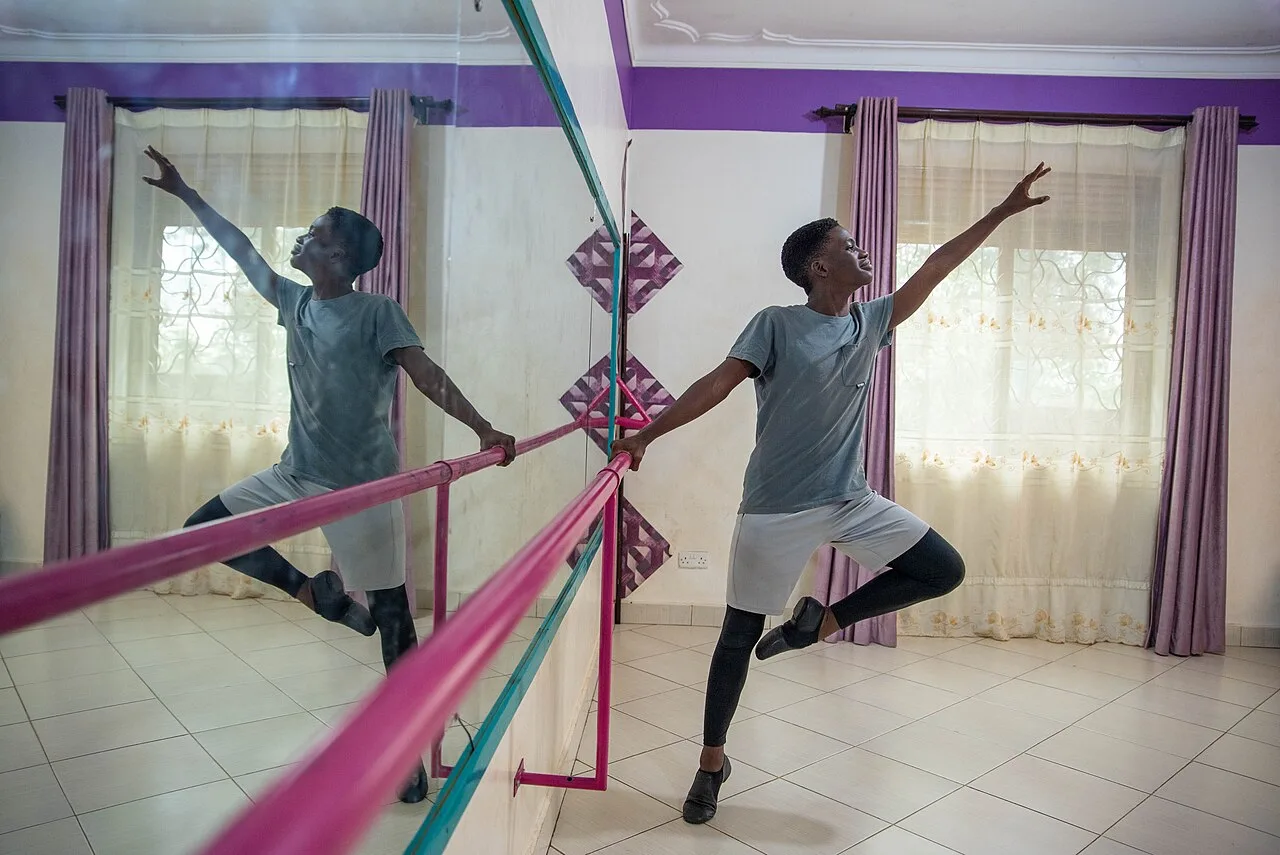
Stage posture and a heel accent help build a role. Watch how those choices change the character of a step.
Young Gyu Choi performs a staged Spanish dance from Dutch National Ballet's Raymonda.
Nationale Opera & Ballet · Dutch National BalletOpen the original source ↗03
The accents of a mazurka or another stage number help shape a character. Listen for the beat the music emphasises and how the step answers it.
04
Basic ballet alignment helps, so some schools introduce Character after technical foundations. Check the class level and shoe requirements in its description to see whether you can join now.
The teacher demonstrates the step and names the ballet, dance form and rhythm. They explain how the choreographer adapted movement from the chosen tradition for the ballet stage.
The source of the stage material helps you see what a choreographer adapted for ballet. Try the step's rhythm and group direction first, then add an arm line or character choice. Explore the living tradition from which theatre drew its motif.
05
Ballet class teaches general codified technique. Character Dance colours it with repertory rhythm, gesture, footwear, and stylised regional character.
Show Dance is a broad stage-performance label. Character Dance is a more specific ballet-repertory practice that stylises motifs from named regional traditions.
06
Our catalogue does not currently list where to learn Character Dance in Alytus.
Explore other styles →