In this article
- What makes this dance interesting
- Movement to notice
- Listen to the music
- How to begin
- Ways to explore this style
- What to consider
Discover your style
At first, you think about your own feet. Then you notice that a step depends on the other person too. The pleasure begins when you move together, even with only a few steps to share.
01
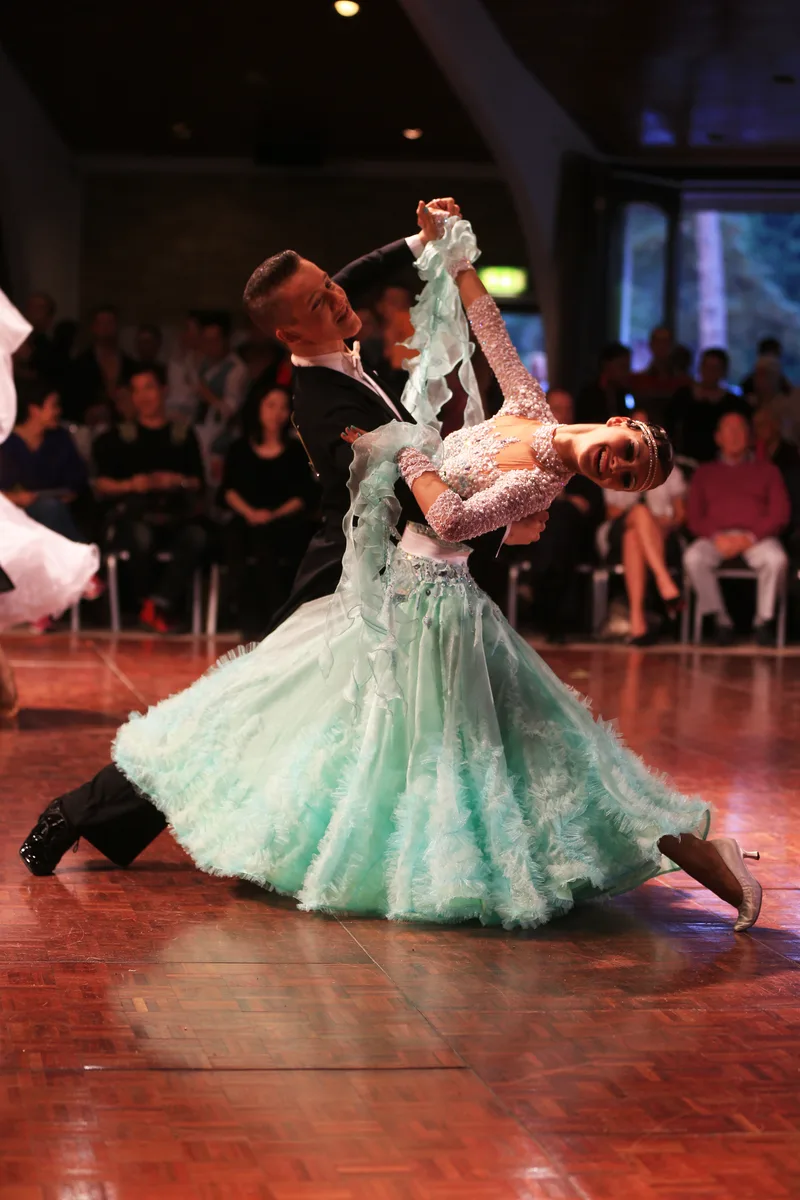
These dances did not come from one place. ISTD’s history describes Argentine tango and American foxtrot entering London ballrooms. Its Ballroom branch, formed in 1924, worked to make teaching technique more consistent.
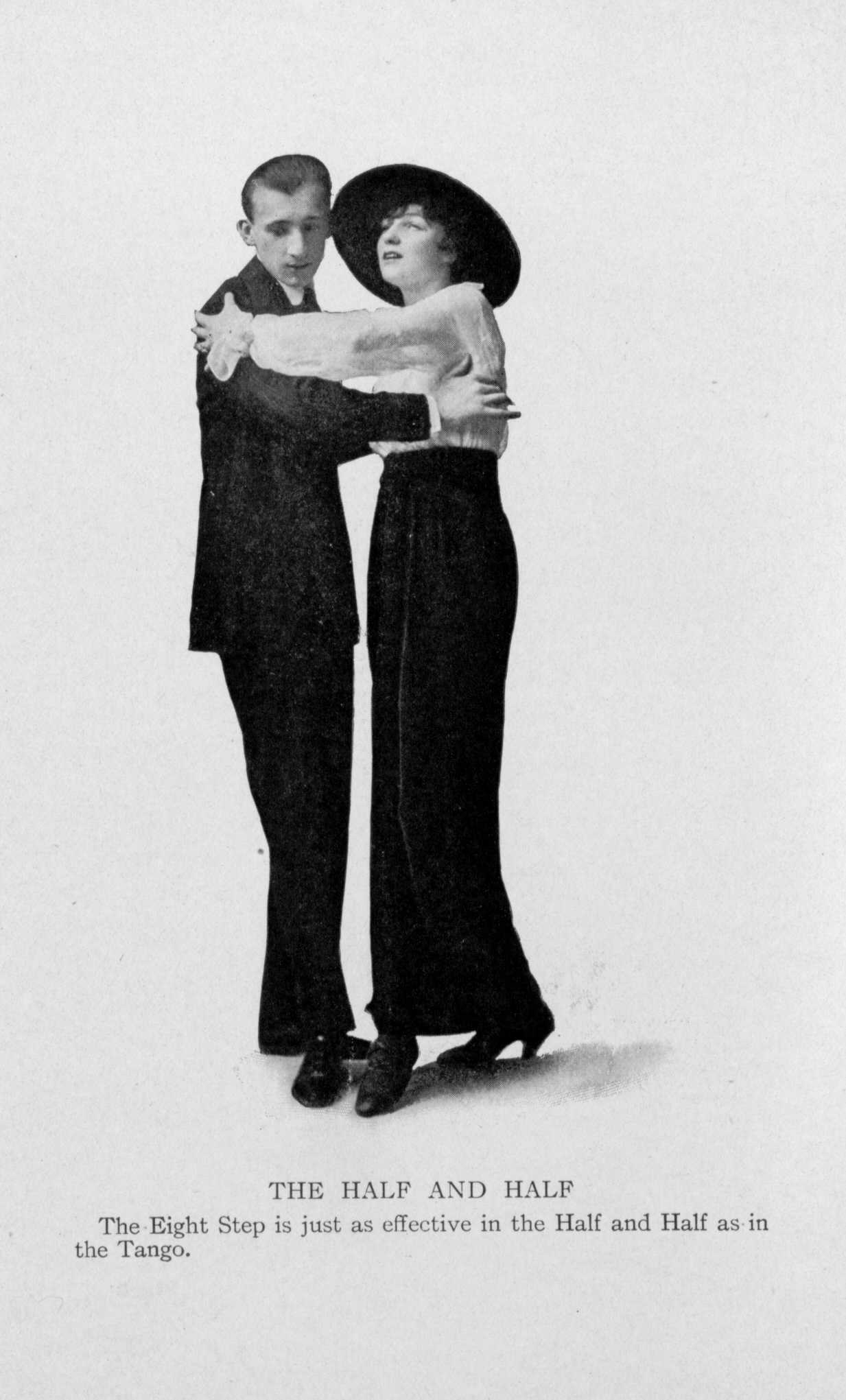
Social dances acquired a common teaching structure. But standardised ballroom tango and Argentine tango are different learning paths. Open both descriptions before choosing which one you want to explore.
One event gives a sense of this world’s scale. WDSF’s 2026 German Open report records more than 6,200 starts, 2,700 couples and 1,000 solo dancers in Stuttgart.
A start is an entry in one competition category. The same couple can enter several categories.
02
Different dances use different rhythms and routes across the floor; learn each dance’s rhythm and route separately.
Waltz has three beats per bar. The US national competition counting guide counts four bars as “1-2-3, 2-2-3, 3-2-3, 4-2-3”. The first number tracks the bars. Count while listening, then try placing steps in the rhythm.
Evaldas Sodeika and Ieva perform competitive waltz. First follow their route across the floor, then watch their shared shape as they move.
DanceSport TVOpen the original source ↗03
Waltz’s “one, two, three” reveals its repeating bars. Foxtrot and quickstep music use four beats per bar; a slow step takes two beats and a quick step one. Listen to one phrase and notice where a step stretches or speeds up.
04
Waltz gives you a repeating “one, two, three”. Tango asks for another timing and quality of movement. A couple’s hold alone does not tell you which dance you are watching.
A short phrase is enough for a first lesson. Notice whether the teacher explains how two people agree on a direction, as well as where to place a foot. Understanding the shared task helps more than copying a figure.
05
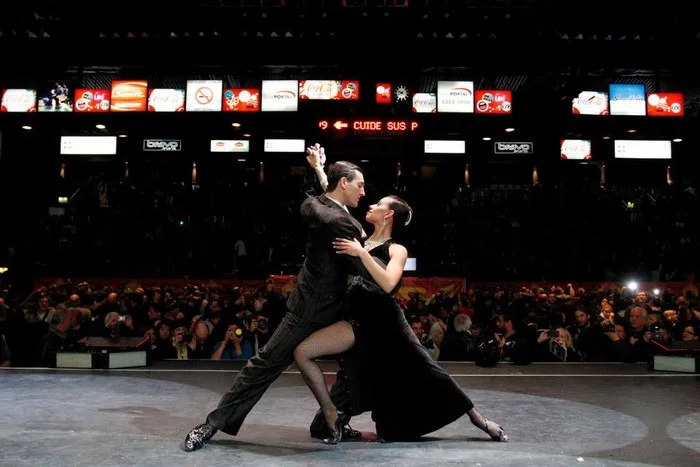
WDSF’s Standard programme: waltz, tango, Viennese waltz, slow foxtrot and quickstep. Couples maintain a closed hold. Find out which dance the class starts with.
WDSF’s Latin programme lists samba, cha-cha-cha, rumba, paso doble and jive. The course description should show which dances it teaches and whether partners rotate.
Ballroom Dance is a broader umbrella for social and stage partner forms. DanceSport standardises technique, categories, and judging for competition.
06