In this article
- Your first ballet class
- Ballet history and stage language
- Support, direction and music
- Music in a ballet class
- Choosing a ballet class
- Classical and other paths
Discover your style
Ballet begins with support: the foot meets the floor, posture leaves room to breathe, and movement follows a musical phrase. Learn how to start at the barre and what to notice in a first class.
01
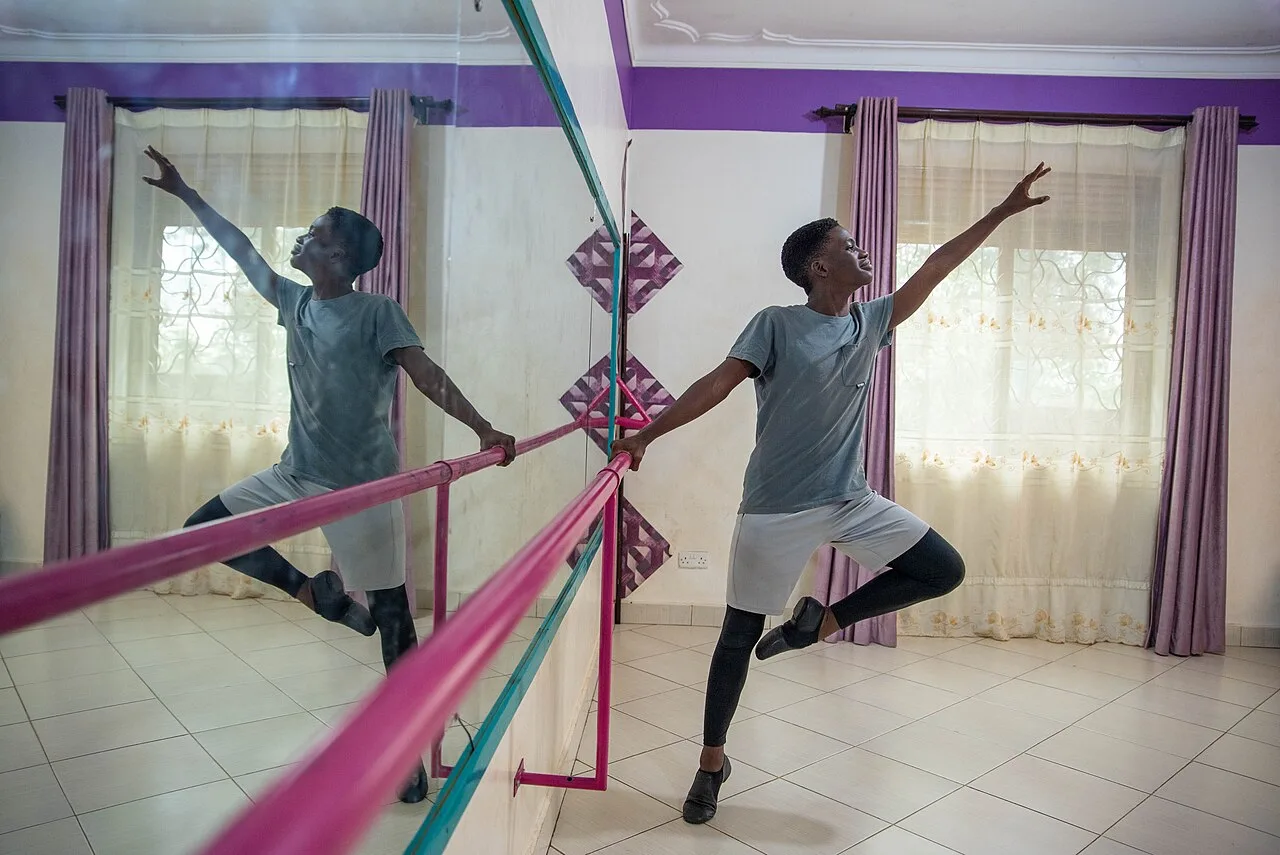
A first class often starts at the barre. A teacher may show how to stand, bend the knees and shift weight while keeping the feet grounded. Wear clothes that let you move, and ask the studio about shoes. Stage costume is unnecessary for a first lesson.
After the barre, movements may move to the centre. Repeat a simple step and listen for the beginning and end of a musical phrase. Ask the teacher to show what an unfamiliar term means in movement. The Royal Academy of Dance separates children's classes by age and learning stage; adults can also seek a beginner class.
Watch how the teacher explains the direction of the feet and knees, and ask for a version that feels comfortable. If an exercise hurts, stop and say so. In a first class, you can focus on support and music.
02
Ballet grew from European court dance. The Australian Ballet traces its path from Renaissance Italy through the French court to the theatre stage. Music, costume and who could take the stage changed over centuries.
Louis XIV founded the French Académie royale de danse in 1661. The Paris Opera Ballet School history follows later professional training. Many terms heard in class today remain French.
Ballet travelled between countries and changed with choreographers and performers. One studio may teach classical technique; another may connect it to contemporary movement. History gives the terms context, while your own class starts with your body and the music today.
On stage, a line of movement can look effortless. Behind it sits repetition: a small barre exercise prepares a dancer for a longer phrase. Watch the support under the feet, the path of the arms and the direction of the gaze. The same step can feel different when the music slows or the dancer holds still for a moment. At a performance, notice how dancers begin together and how a musical pause changes the scene.
A ballet class is shared work too. Dancers make space for one another, listen to corrections and repeat movement at different speeds. In a beginner group, look for a teacher who explains each task, welcomes questions and adapts movement to different bodies.
03
Bend the knees in line with the feet, keeping the heels grounded where the movement allows. Feel how the bend prepares the next step.
Let the arms change position with breath and music. Keep the shoulders free and notice how the arms support direction.
Without the barre, notice the weight over the foot. Start small and find a clear ending before the next phrase.
Watch how barre work moves into centre practice. Pick one foot or arm movement to recognise in your own class.
The Royal Ballet and OperaOpen the original source ↗04
Music gives a ballet exercise a beginning, a path and an ending. This orchestral recording is a listening example; a teacher may use piano or other music in class.
Hear how short musical accents invite clear starts and endings to a movement.
05
06
These approaches differ in movement, music and class format. Ask the teacher which one the group follows.
Steady barre and centre practice develop balance, direction and musical phrasing.
In a performance, movement, music and design shape relationships between characters. Watch how choreography tells a story without words.
Character Dance adapts regional dance motifs for the ballet stage. Ballet class first teaches codified technique used across a wider repertory.
Ballet more often seeks verticality, clear positions, and leg turnout. Contemporary may choose weight, floorwork, a task, or the deliberate breaking of form.
Our catalogue does not currently list where to learn Ballet in Vilnius.
Explore other styles →