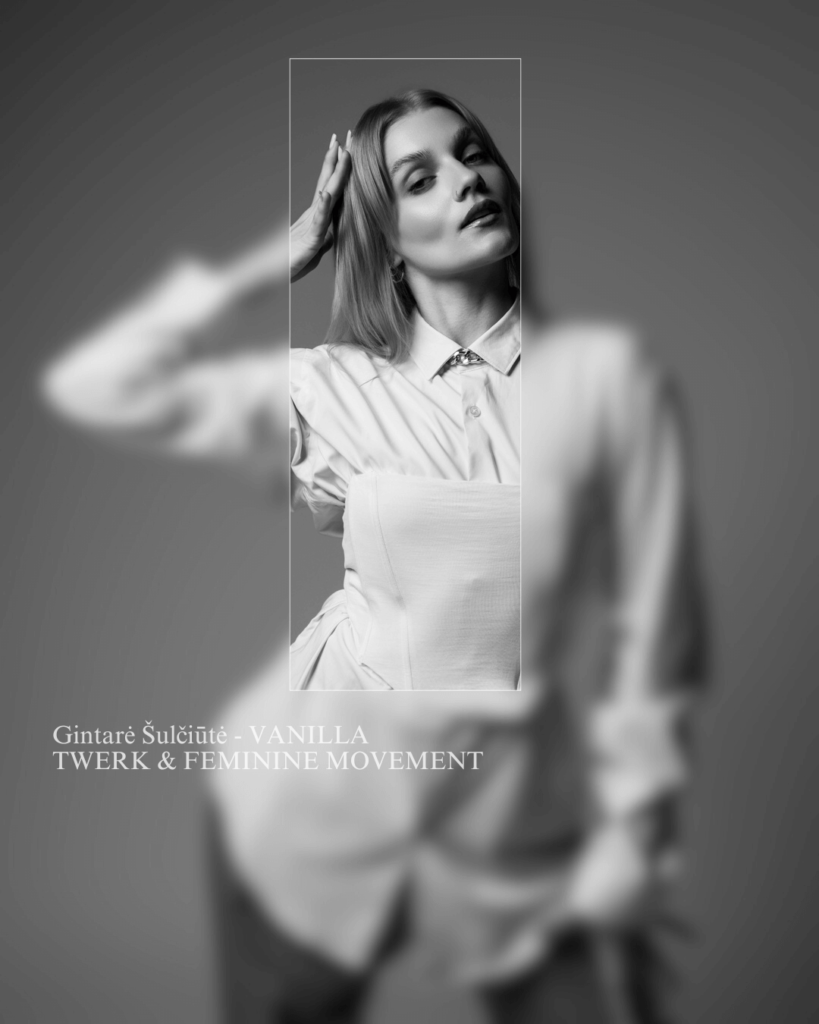
01
What might a first class feel like?
Begin with pelvis position, knees, weight, and Bounce rhythm, not maximum movement size. The teacher should offer back and knee adaptations and name the New Orleans roots.
A recurring base is soft bent knees, weight through the balls of the feet, and active hip isolation.
02
Origins and class context
Twerk history is linked to New Orleans bounce music and Black American social dance. The movement later gained international visibility in pop culture.
Twerking is a movement and music practice rooted in New Orleans bounce and African-American vernacular culture, with later global visibility and appropriation debates.
Culture, not only steps
Learning should credit New Orleans bounce and Black creators. The movement’s pop-culture visibility raises questions of authorship, gender and cultural appropriation.
New Orleans is the historically and culturally supported centre; global classes, competitions and pop visibility extend the practice beyond it.
Sources: Oxford Handbook — twerking chapter abstract ↗ · KCRW — Big Freedia’s New Orleans bounce primer ↗
03
See what to notice
Pelvis and knees
Begin with a comfortable pelvis position and soft knees; maximum range is not the aim.
Showboys — Trigger Man
In Big Freedia’s account, listen for the Trigger Man rhythm behind New Orleans bounce.
KCRW / Big FreediaOpen the original source ↗Where Dey At — early Bounce
Hear the rhythm in this early bounce example before judging the size of the movement.
KCRW / Big FreediaOpen the original source ↗Sources: Oxford Handbook — twerking chapter abstract ↗ · KCRW — Big Freedia’s New Orleans bounce primer ↗
04
Hear the music change
The New Orleans bounce pulse matters to this movement’s context. Hear its repetition before enlarging pelvic movement.
Sources: Oxford Handbook — twerking chapter abstract ↗ · KCRW — Big Freedia’s New Orleans bounce primer ↗
05
The teacher changes the dance
A brilliant performer is not always the teacher who helps you learn. Look for someone who can explain rhythm, notice confusion, adapt the pace, and make questions feel welcome.
Try more than one teacher before deciding that a dance is not for you. Sometimes the style is right and the room, pace, or teaching language is wrong.
Three useful questions
- How do you teach pelvis movement while protecting knees and back?
- Will class use New Orleans bounce, and how do you explain its history?
- How do you adapt the load for different mobility or past injuries, and when should a movement stop?
06
One name, several ways to dance
Dancehall is Jamaican music and a living steps culture. Twerk has another lineage tied strongly to New Orleans bounce; pop classes often blur the two.
Sources and scope
History and culture use the sources below. Local class facts come from the directory and can change independently.