Discover your style

Commercial Jazz

Jazz steps meet pop choreography through bold accents, poses, and movement made for stage and camera.

Find studiosClass rules and availability come from each provider.

Reader guide

Getting to know Commercial Jazz

Learner voices

What people say helps them learn

In a commercial/jazz-funk discussion, a learner asks how to make arms and footwork look smoother. Replies stress steady practice and a footwork class, but the thread is very short.

  • Millennium Dance Complex videos show top dancers from a particular class, so they should not be treated as a beginner benchmark.
  • One commenter suggests continuing to practise and taking a House class when footwork is the weak point.
  • The thread is more about smoothness, confidence, and footwork than a fixed commercial-jazz technique sequence.
  • This is a two-comment community signal, so it cannot rank teachers or studios.

Reddit r/Dance: commercial/jazz-funk improvement ↗Very limited community signal; a two-year-old thread with two comments.

Sources behind this guide

Source notes

Readings that shape the page

These links keep the page's evidence visible. Local class details describe access and teaching; they are not presented as global rankings or a single origin story.

1 source
Local provider

SOK SOK — Dance styles

The catalogue describes local class aims such as story-led Show Dance, pop and music-video choreography, street basics, jazz/commercial training, feminine movement, vogue culture, hip-hop groove, contemporary floorwork, and high-heels confidence.

Boundary: Provider syllabus language; its short origin statements are not used as the site's sole cultural history.
The short version

Jazz isolations, grounded weight, clean lines, musical accents and camera-ready attack are useful cues. It is a commercial format, not one historical jazz tradition.

Live scene

Commercial classes and screen work form a distributed global scene; SOKSOK gives a current Vilnius access example.

Events

Workshops, showcases, auditions and screen productions are more meaningful than a single competition. The read packet does not prove a global biggest event.

Geography

The form inherits African-American jazz and theatre histories, then moves through U.S. entertainment hubs and global commercial studios.

Culture

Credit the Black American jazz roots beneath the polished commercial surface; technique and visibility should not erase authorship.

Listening shelf

Five anchors, when the source supports them

  1. Single Ladies (Put a Ring on It)Beyoncé

    A commercial-stage choreography prompt, not a canonical Show Dance track.

    Listen ↗
  2. VogueMadonna

    A performance and pose prompt, not a ranked Show Dance recording.

    Listen ↗
  3. Uptown FunkMark Ronson feat. Bruno Mars

    A high-energy stage-class prompt.

    Listen ↗
  4. Don't Start NowDua Lipa

    A contemporary pop choreography prompt.

    Listen ↗
  5. LevitatingDua Lipa

    A pop-stage listening prompt; teacher playlists vary.

    Listen ↗

People to know

Names with a source trail

Jack Cole

Jazz choreographer

The Jazz history source names Cole as a major choreographic bridge between jazz, theatre and screen.

Read the source ↗

Bob Fosse

Theatre and jazz choreographer

EBSCO names Fosse among the choreographers who shaped theatrical jazz language.

Read the source ↗
Sources and open questions

Checked 2026-09-18. Direct pages were read for the claims below. Search leads stay labelled.

Still missing: No reliable current global ranking was found: top fives and the “biggest” event are not presented as facts here.

Where to learn

Filter studios ↗

Teachers

Teaches in: Vilnius

Agnė Juška Petrulė

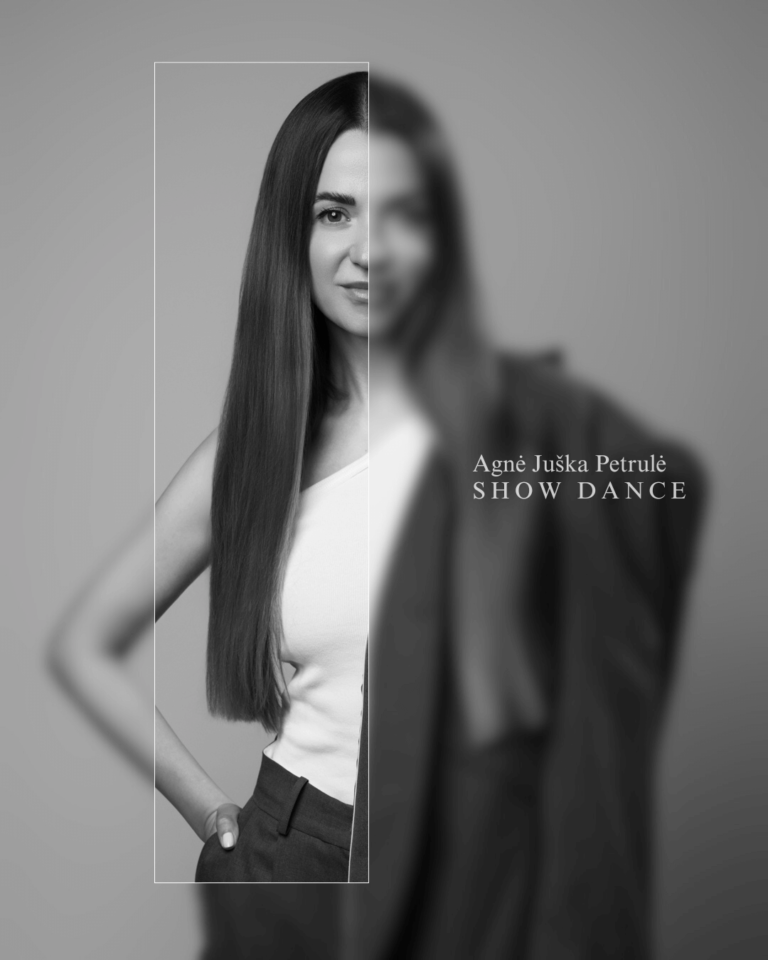
Founder of Šok/Šok, a qualified senior dance teacher, choreographer and director. She works on TV and stage projects and combines street dance, commercial dance, jazz and contemporary styles.

Commercial JazzJazz Dance
Studios
View profile

A small sign. A lot of love.

Leave your mark

No account needed. Marks stay for up to 3 months.

How do marks work?

One mark per studio, for up to 10 studios every 24 hours. Each card keeps the 50 newest marks; a new one replaces the oldest. Each mark lasts up to 90 days. You can change yours every 10 seconds or remove it at any time. Changing it does not extend its expiry.

The most common reaction sets the color of the card's edge. These are visitor marks, not a studio rating.