Discover your style

Ballroom Dance

Partner steps, posture, and a clear floor path give the dance structure and grace.

Find studiosClass rules and availability come from each provider.

Reader guide

Getting to know Ballroom Dance

Learner voices

What people say helps them learn

A ballroom beginner discussion values consistent study, socials, and trying several dances. Goals matter: for social dancing, find a teacher and practice circle before rushing into competition.

  • Start with a studio or sampler class where a teacher can show foundations and several dances.
  • One dancer suggests 4–6 hours a week, but that is a personal plan, not a universal rule.
  • Socials, free pre-event lessons, and a few practice partners turn knowledge into a social skill.
  • A good teacher normalises awkwardness; learners suggest trying several teachers until the fit feels right.

Reddit r/ballroom: getting started ↗Community experience; a three-year-old thread with nine comments.

Sources behind this guide

Source notes

Readings that shape the page

These links keep the page's evidence visible. Local class details describe access and teaching; they are not presented as global rankings or a single origin story.

3 sources
Federation source

Lithuanian Sports Dance Federation

The Lithuanian federation says it was founded in 1989 and lists Standard, Latin, breaking, hip-hop, line, solo, coach/judge education, clubs, and WDSF events.

Boundary: National federation scope; it does not prove a single global Latin lineage or popularity ranking.
Federation source

WDSF — Standard, Latin and Ten Dance

WDSF lists five Standard dances and five Latin dances, explains the formal Standard hold and expressive Latin frame, lists current championships, and embeds competition examples.

Boundary: Federation syllabus and event information, not a most-famous-track or biggest-event ranking.

Local provider

Žvaigždžių Takas — timetable and prices

The visible Vilnius schedule offers a free first trial, one-hour classes, private lessons, and multiple age/level tracks across these styles.

Boundary: Current local availability and access details; prices and timetables need a date when published.

Watch examples

Examples linked from the reading

WDSF — Standard, Latin and Ten Dance — observed video 1

Linked by the page we read; not a popularity ranking.

WDSF — Standard, Latin and Ten DanceOpen the original source ↗
WDSF — Standard, Latin and Ten Dance — observed video 2

Linked by the page we read; not a popularity ranking.

WDSF — Standard, Latin and Ten DanceOpen the original source ↗

The short version

Standard frame and travelling character contrast with Latin's expressive hips, rhythm and open shape. WDSF lists five dances in each formal division.

Live scene

Vilnius has federation and local-studio access; ballroom scenes also live in social clubs, competitions and international WDSF circuits.

Events

WDSF championships, national federation competitions and social balls are distinct anchors. No single event is labelled the world's biggest.

Geography

Standard and Latin are institutionalised globally; the formal read sources connect Vilnius to the WDSF international circuit.

Culture

Ballroom culture includes partnership, etiquette, dress, judging and social practice. Keep social dancing visible beside sport rules.

Listening shelf

Five anchors, when the source supports them

  1. The Way You Look TonightFrank Sinatra

    A ballroom listening prompt; Standard competition music is not one pop canon.

    Listen ↗
  2. SwayDean Martin

    A social ballroom Latin listening prompt.

    Listen ↗
  3. Perhaps, Perhaps, PerhapsDoris Day

    A cha-cha listening prompt for practice, not a ranking.

    Listen ↗
  4. Mambo No. 5Pérez Prado

    A mambo-era listening prompt.

    Listen ↗
  5. Quizás, Quizás, QuizásNat King Cole

    A rumba/bolero listening prompt; teachers choose versions and tempos.

    Listen ↗

People to know

Names with a source trail

World DanceSport Federation

International rules and competition body

WDSF provides the readable Standard, Latin and Ten Dance structure used in this dossier; this is an organisation, not a top-teacher ranking.

Read the source ↗

Watch

Shortlist of useful context

WDSF — Standard, Latin and Ten Dance — observed clip 1

Linked by the page that was read; context example, not a popularity ranking.

WDSF — Standard, Latin and Ten DanceOpen the original source ↗
WDSF — Standard, Latin and Ten Dance — observed clip 2

Linked by the page that was read; context example, not a popularity ranking.

WDSF — Standard, Latin and Ten DanceOpen the original source ↗
Sources and open questions

Checked 2026-09-18. Direct pages were read for the claims below. Search leads stay labelled.

Still missing: The five tracks are social listening prompts, not WDSF competition music rankings; the sources organise music by dance and tempo instead. No reliable current global ranking was found: top fives and the “biggest” event are not presented as facts here.

Where to learn

Filter studios ↗

Teachers

Teaches in: Vilnius

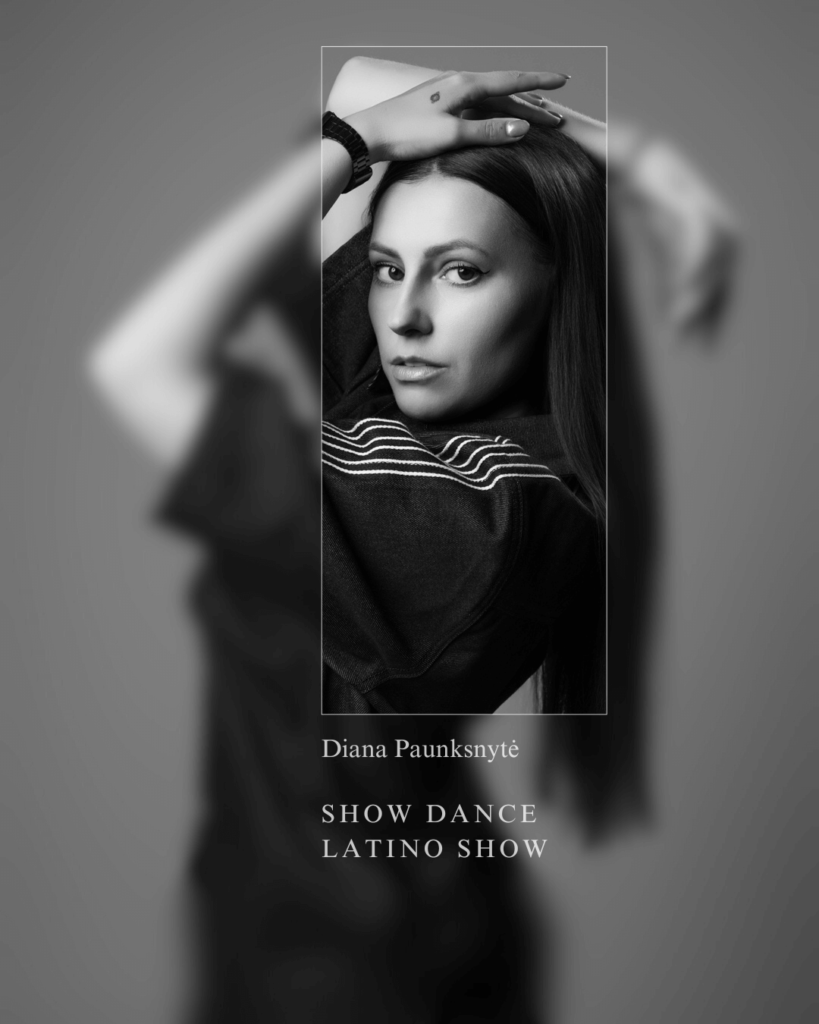
Diana Paunksnytė

A qualified dance educator and methodologist with a master's degree in dance education; she choreographs TV and stage projects and works with show dance and PUELLA Latino Show groups.

Ballroom DanceLatin Show Dance
Studios
View profile

A small sign. A lot of love.

Leave your mark

No account needed. Marks stay for up to 3 months.

How do marks work?

One mark per studio, for up to 10 studios every 24 hours. Each card keeps the 50 newest marks; a new one replaces the oldest. Each mark lasts up to 90 days. You can change yours every 10 seconds or remove it at any time. Changing it does not extend its expiry.

The most common reaction sets the color of the card's edge. These are visitor marks, not a studio rating.